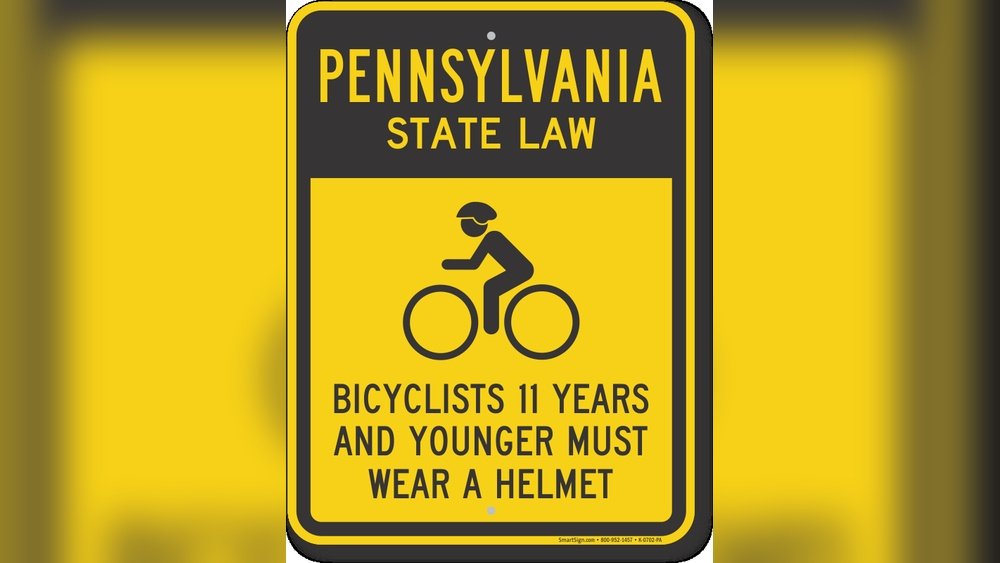
Bicycle Helmet Laws in Pennsylvania: What Riders Must Know Today
If you ride a bike in Pennsylvania, understanding the helmet laws is crucial for your safety and avoiding fines. You might think wearing a helmet is just a personal choice, but the law has clear rules that you need to follow.
Knowing these rules can protect you from serious injury and keep you on the right side of the law. You’ll discover exactly when and where you need to wear a helmet, who must follow these laws, and what you should do to stay safe every time you ride.
Keep reading to make sure you and your loved ones are fully protected on the road.
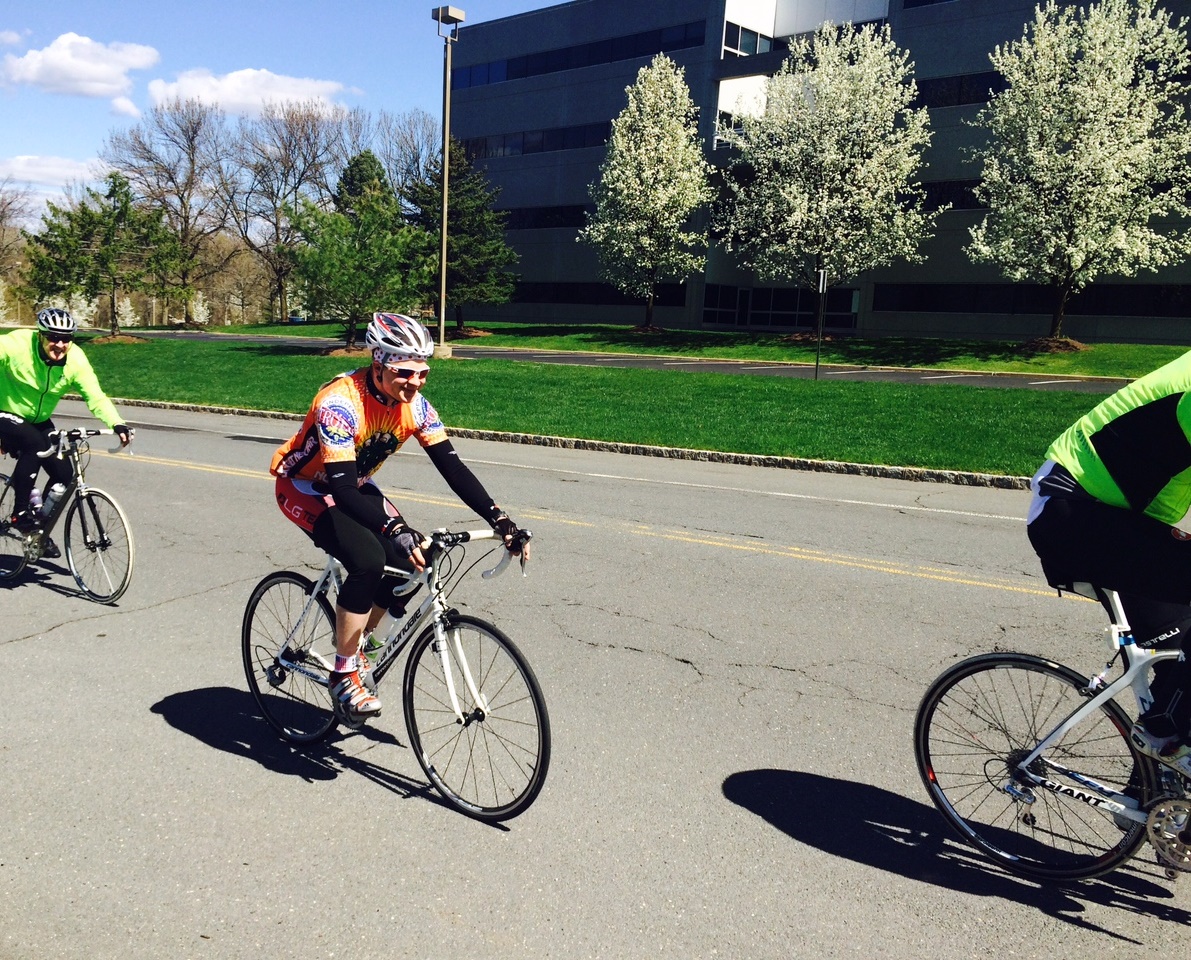
Credit: www.rkglaw.com
Current Helmet Laws In Pennsylvania
Pennsylvania has specific rules about wearing bicycle helmets. These laws help keep riders safe. Knowing these rules can prevent injuries and fines.
The laws focus on who must wear helmets, what kind of helmets are allowed, and how authorities enforce these rules.
Age Requirements
Children under the age of 12 must wear a helmet when riding a bike. This rule applies to all public roads and bike paths. Adults and older teens are not required by law to wear helmets, but it is highly recommended for safety.
Helmet Standards
Helmets must meet the safety standards set by the U.S. Consumer Product Safety Commission (CPSC). This ensures helmets provide proper protection. Helmets without this certification may not protect riders in a crash.
Enforcement And Penalties
Police officers can stop riders under 12 who are not wearing helmets. They may issue warnings or fines. Fines usually start at $25. Repeated violations can lead to higher fines. Wearing a helmet avoids these penalties and protects lives.

Credit: ciecka.com
Benefits Of Wearing A Bicycle Helmet
Wearing a bicycle helmet offers many benefits. It protects your head during accidents. Helmets reduce the risk of serious injuries. They make cycling safer for everyone. Understanding these benefits helps encourage helmet use. Here are key points about helmet benefits.
Safety Statistics
Statistics show helmets lower head injury risks by 60%. Riders without helmets face more severe brain injuries. Children wearing helmets have fewer hospital visits. Helmet use saves lives every year. Pennsylvania reports fewer head injuries where helmet laws exist.
Injury Prevention
Helmets absorb impact forces during crashes. They shield the skull from direct hits. This protection prevents fractures and cuts. Helmets also reduce the chance of brain damage. Wearing one means better protection in falls or collisions.
Long-term Health Impact
Protecting your head prevents lasting brain problems. Head injuries can cause lifelong disabilities. Helmets help avoid memory loss and cognitive issues. They support quicker recovery after accidents. Staying safe means fewer health problems later in life.
Common Misconceptions About Helmet Laws
Bicycle helmet laws in Pennsylvania often cause confusion. Many people have wrong ideas about who must wear a helmet and why. These myths can stop riders from staying safe. Clearing up these misunderstandings helps everyone follow the law better.
Who Needs To Wear A Helmet
Many believe only kids must wear helmets. Actually, Pennsylvania law requires helmets for riders under 12 years old. Adults do not have a state-wide helmet law. Still, some local areas may have stricter rules. Wearing a helmet is always smart, no matter your age.
Helmet Use And Insurance
Some think insurance companies refuse claims if no helmet is worn. This is mostly false. Insurance claims depend on the accident details, not helmet use. But helmets can reduce injury risks and medical costs. Wearing one can protect both your head and your wallet.
Effect On Rider Freedom
Some say helmet laws limit rider freedom. The law aims to keep riders safe, not restrict them. Helmets save lives and prevent serious injuries. Choosing to wear one is a smart way to enjoy riding safely. Safety and freedom can go hand in hand.
Tips For Choosing And Fitting A Helmet
Choosing and fitting a bicycle helmet properly is important for safety. A well-chosen helmet protects your head in crashes. A helmet that fits well stays in place and feels comfortable. Understanding helmet types, how to fit one right, and when to replace it helps you stay safe on the road.
Here are some helpful tips to guide your choice and fitting process.
Helmet Types And Features
Helmets come in many styles. Road helmets are light and ventilated. Mountain bike helmets offer more coverage around the back of the head. Kids’ helmets come in smaller sizes and bright colors. Look for helmets with a safety sticker. This shows the helmet meets safety standards. Some helmets have extra features like built-in lights or visors. Choose features based on your riding needs.
Proper Fit Guidelines
Check helmet size before buying. Use a tape measure to find your head’s circumference. The helmet should fit snugly but not squeeze. Adjust the straps so they form a “V” shape under your ears. Buckle the chin strap and tighten it so only two fingers fit under. The helmet should sit level on your head. It should not move back and forth or side to side.
Maintenance And Replacement
Keep your helmet clean with mild soap and water. Avoid using strong chemicals that can weaken the shell. Store the helmet in a cool, dry place away from sunlight. Replace your helmet after any crash, even if it looks fine. Helmets also wear out over time, usually after five years. Old helmets may not protect well. Always buy a new helmet if yours is old or damaged.

Credit: ciecka.com
Frequently Asked Questions
Who Must Wear A Bicycle Helmet In Pennsylvania?
Children under 12 years old must wear a helmet by law. Adults are encouraged but not required to wear helmets.
What Are The Penalties For Not Wearing A Helmet?
Fines may apply if children under 12 ride without helmets. The exact fine varies by local jurisdiction in Pennsylvania.
Are Helmets Required For All Types Of Bicycle Riding?
Helmet laws apply to all bike riding on public roads and paths. This includes casual riding and commuting.
Does Pennsylvania Law Require Helmets On Electric Bicycles?
Yes, children under 12 must wear helmets on electric bikes too. Adults are not legally required but are advised to wear helmets.
Where Can I Buy A Helmet That Meets Pennsylvania Safety Standards?
Look for helmets labeled meeting CPSC safety standards. Most sports and bike stores sell approved helmets.
Conclusion
Bicycle helmet laws in Pennsylvania help keep riders safe. Wearing a helmet lowers the chance of serious injury. Everyone, young or old, should follow these rules. Staying protected while biking is a smart choice. Remember, safety starts with wearing a helmet every ride.
Stay alert, ride carefully, and respect the law. This simple step can save lives on Pennsylvania roads. Keep your head safe and enjoy biking responsibly.

Ismail Hossain is the founder of Law Advised. He is an Divorce, Separation, marriage lawyer. Follow him.