Trespassing Laws in South Carolina: What You Need to Know Today
Have you ever wondered what happens if you step onto someone else’s property without permission in South Carolina? Understanding trespassing laws isn’t just about avoiding trouble—it’s about protecting your rights and staying safe.
Whether you’re a homeowner wanting to keep your land secure or someone curious about the legal limits of where you can go, knowing these laws is crucial. Keep reading to discover exactly what trespassing means in South Carolina, what penalties you could face, and how to stay on the right side of the law.
This knowledge could save you from unexpected legal headaches.
Credit: www.wyff4.com
Types Of Trespassing In South Carolina
South Carolina law defines several types of trespassing. Each type has different rules and penalties. Knowing these types helps you understand what actions are illegal.
Trespassing can happen on private land, commercial property, or even government areas. The law treats each situation differently. Below are the main types of trespassing in South Carolina.
Criminal Trespassing
Criminal trespassing occurs when someone enters or stays on property without permission. This includes ignoring signs that say “No Trespassing.” It also covers breaking locks or fences to get inside. The property owner must clearly reject the visitor for this charge.
Simple Trespassing
Simple trespassing is less serious. It happens when a person accidentally enters private land. Or when they leave after being asked to go. This type usually results in a warning or small fine. No damage or harm is involved.
Aggravated Trespassing
This type involves entering property with bad intent. For example, to commit a crime or cause damage. Aggravated trespassing is a more serious offense. It can bring jail time or bigger fines. The law aims to protect people and their property.
Trespassing On Agricultural Land
South Carolina has special rules for farms and ranches. Trespassing on agricultural land can harm crops or animals. This type of trespassing is often punished more strictly. Farmers can ask trespassers to leave immediately.
Trespassing On Government Property
Entering government buildings or land without permission is illegal. This includes parks, military bases, and schools. Security measures are usually stricter here. Violators may face heavy penalties or arrest.
Legal Consequences Of Trespassing
Trespassing in South Carolina carries serious legal consequences. The state has clear laws to protect property owners. These laws aim to prevent unwanted entry onto private land.
Violating trespassing laws can result in fines, jail time, or both. The severity depends on the situation and the trespasser’s intent. Understanding these consequences can help avoid legal trouble.
Criminal Penalties For Trespassing
South Carolina classifies trespassing as a criminal offense. It can be either a misdemeanor or a felony. Most cases are treated as misdemeanors, punishable by fines or short jail terms. Repeat offenses or trespassing with bad intent may lead to harsher penalties.
Civil Liabilities And Damages
Property owners can sue trespassers in civil court. They may seek compensation for damages caused. This includes damage to property or any harm that occurred during trespassing. Civil cases require proof that the trespasser caused harm or loss.
Aggravated Trespassing Charges
Aggravated trespassing happens when someone refuses to leave after being asked. It also applies if the trespasser carries a weapon or causes fear. These charges carry heavier penalties, including longer jail time and higher fines.
Exceptions And Defenses To Trespassing Charges
Trespassing laws in South Carolina aim to protect private property. Still, some situations allow exceptions. These exceptions can help defend against trespassing charges. Understanding these defenses is key to knowing your rights.
Some actions that may seem like trespassing are legally allowed. Courts consider the circumstances before deciding if a person is guilty. Here are common exceptions and defenses used in South Carolina.
Consent From Property Owner
If the property owner allows entry, it is not trespassing. Verbal or written permission counts. Even a temporary invitation can serve as consent. Without this, entering the property may lead to charges.
Emergency Situations
Entering property in an emergency may be lawful. This includes situations like escaping danger or helping someone in need. The law recognizes the urgency and necessity of these actions.
Public Right Of Way
Some land areas have public access rights. Paths or roads open for public use are exceptions. Walking or driving on these does not count as trespassing.
Legal Authority
Police officers and other officials may enter property legally. They must follow proper procedures like obtaining a warrant. Their entry is not considered trespassing under the law.
Mistake Of Fact
A person may defend themselves by proving they did not know they were trespassing. For example, if they believed the land was public or their own. Honest mistakes can sometimes prevent charges.

Credit: solomonlawsc.com
Property Owner Rights And Responsibilities
Property owners in South Carolina have clear rights and duties under trespassing laws. These laws protect their land and privacy. Owners can control who enters their property. They must also follow rules to keep their property safe and respected.
Understanding these rights and responsibilities helps property owners act within the law. It also helps them protect their land from unwanted visitors. Knowledge about these rules can prevent conflicts and legal trouble.
Right To Control Access
Property owners can decide who may enter their land. They can forbid entry by posting signs or telling people directly. No one can enter without permission. This right helps keep private land secure.
Posting Clear Notices
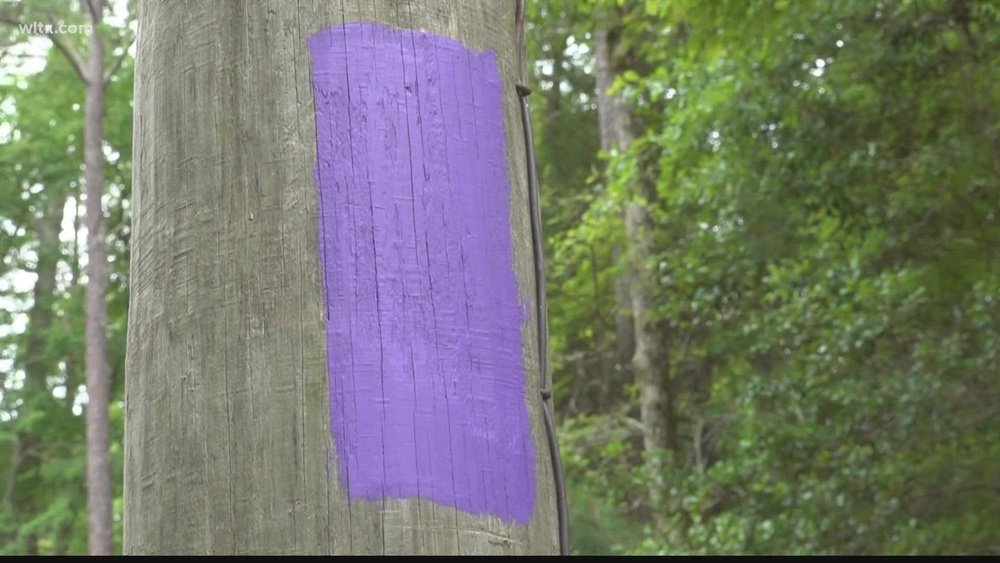
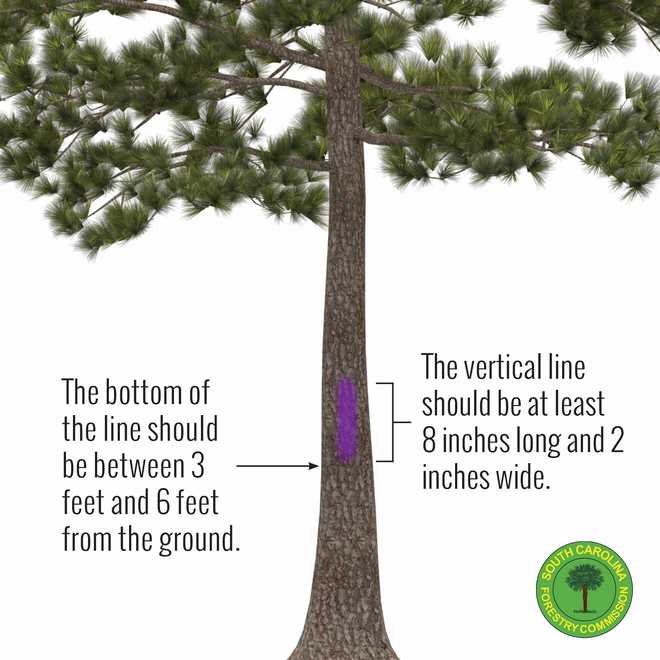
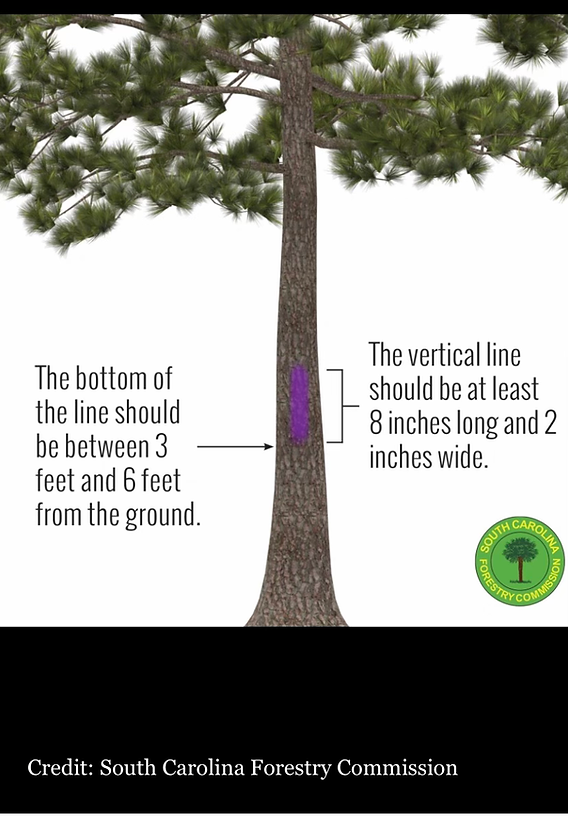
Owners should post “No Trespassing” signs at visible points. Signs warn visitors that entry is not allowed. Signs must be easy to read and placed where people can see them. This helps enforce trespassing laws.
Responsibility To Avoid Harm
Owners must keep their property free of hidden dangers. They should fix hazards that could hurt visitors. This duty applies even to those who enter without permission. Safety helps reduce legal risks for owners.
Handling Trespassers
Owners can ask trespassers to leave immediately. If trespassers refuse, owners may call law enforcement. Taking personal action to remove trespassers is not allowed. Police handle trespassing cases to keep peace.
How To Avoid Trespassing Issues
Avoiding trespassing issues in South Carolina starts with understanding property boundaries. Knowing where private land begins and ends is key. This helps prevent accidental entry on someone else’s property.
Respect signs and barriers. They show where entry is not allowed. Ignoring these can lead to legal trouble. Always look for “No Trespassing” signs before entering any area.
Use Public Areas And Paths
Stick to public roads, parks, and paths. These areas are open for everyone to use. Avoid shortcuts through private property. This simple step reduces the risk of trespassing.
Ask For Permission
Seek permission before entering private land. Contact the property owner if possible. A quick ask can save you from legal problems. Many owners appreciate respectful visitors.
Stay Informed About Property Laws
Learn basic trespassing laws in South Carolina. Knowing the rules protects you and others. Local government websites often provide clear guidelines. Use this information to stay safe and legal.
Credit: www.oconeelaw.com
Frequently Asked Questions
What Is Trespassing Under South Carolina Law?
Trespassing means entering or staying on private property without permission. It is illegal if you ignore signs or warnings. Property owners can press charges against trespassers.
Can I Enter Land Without Signs In South Carolina?
Entering land without signs may still be trespassing if the owner did not allow it. Always get permission before going onto private property. Absence of signs does not mean free access.
What Are The Penalties For Trespassing In South Carolina?
Penalties vary from fines to jail time depending on the trespass type. Simple trespass is usually a misdemeanor with a small fine. Aggravated trespass can lead to harsher punishments.
Are There Exceptions To Trespassing Laws In South Carolina?
Yes, emergencies or official duties like police work may allow legal entry. Also, invited guests are not trespassers. Always know the context before entering property.
How Can Property Owners Protect Against Trespassing?
Posting clear “No Trespassing” signs is the best way to warn visitors. Fences and gates also help keep trespassers out. Legal action can follow if warnings are ignored.
Can I Defend Myself If Caught Trespassing In South Carolina?
You can explain or prove permission to be on the property. Claiming ignorance is usually not a strong defense. Legal advice is important if charged with trespassing.
Conclusion
Trespassing laws in South Carolina protect private property and safety. Knowing these rules helps avoid legal trouble. Respecting signs and boundaries keeps everyone safe. Property owners can take action if laws are broken. Following the law supports a peaceful community.
Stay informed and cautious when near private land. Simple steps prevent misunderstandings and fines. Understanding trespassing rules benefits both visitors and owners. Keep property rights clear and respected. Safety and respect go hand in hand.

Ismail Hossain is the founder of Law Advised. He is an Divorce, Separation, marriage lawyer. Follow him.