Criminal Trespassing Laws in Texas: What You Need to Know Today
Have you ever wondered what happens if you step onto someone’s property without permission in Texas? Understanding criminal trespassing laws isn’t just for lawyers—it’s for you, too.
Whether you’re a homeowner wanting to protect your space or someone curious about your rights, knowing the rules can save you from serious trouble. This article will break down Texas’s criminal trespassing laws in simple terms, so you know exactly what’s at stake and how to stay on the right side of the law.
Keep reading—your peace of mind depends on it.
Credit: texascriminaldefensegroup.com
Basics Of Texas Trespassing Laws
Texas trespassing laws protect private and public property from unauthorized entry. These laws help property owners keep their land safe. Understanding the basics can prevent accidental violations. This section explains key points about criminal trespassing in Texas.
Definition Of Criminal Trespassing
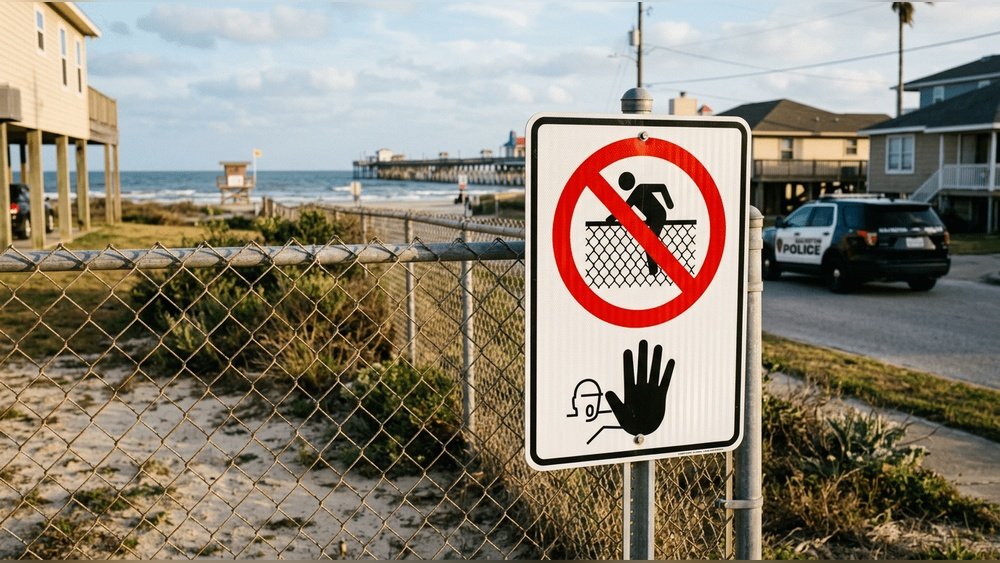
Criminal trespassing means entering or staying on property without permission. This includes land, buildings, or vehicles. The person must know they are not allowed on the property. Trespassing can be on private or public property. Ignoring signs or barriers can also count as trespassing.
Common Types Of Trespassing Offenses
One type is entering fenced or posted property. Another is remaining after being asked to leave. Trespassing on a school or government property has stricter rules. Entering a vehicle without permission is also a trespassing offense. Each type has different legal consequences.
Legal Requirements For Trespassing Charges
To charge trespassing, the state must prove the person knowingly entered or stayed. The person must have no legal right or consent. Signs or fences must clearly show the property is private. Law enforcement must have evidence of the trespass. Intent plays a key role in these cases.
Credit: www.houstoncriminallaw.com
Penalties And Consequences
Criminal trespassing in Texas carries serious penalties. These consequences vary based on the situation and severity of the offense. Understanding these penalties helps you know what to expect if charged.
Misdemeanor Vs Felony Trespassing
Texas classifies trespassing as either a misdemeanor or felony. Misdemeanor trespassing usually involves entering private property without permission. Felony trespassing happens in more serious cases, like entering a building to commit a crime. The law treats felonies much more harshly than misdemeanors.
Fines And Jail Time
Fines for trespassing can range from a few hundred to thousands of dollars. Jail time depends on the offense level. Misdemeanors may lead to short jail stays or probation. Felonies can result in years behind bars. Judges decide penalties based on case details.
Impact On Criminal Record
Trespassing charges affect your criminal record. A record may hurt job prospects and housing opportunities. Felony charges cause more damage than misdemeanors. Clearing your record takes time and legal help. Staying informed about these effects is important.
Defenses Against Trespassing Charges
Defending against criminal trespassing charges in Texas requires understanding the key arguments. These defenses can help challenge the validity of the accusations. Knowing your rights and possible defenses is crucial for anyone facing such charges.
Permission And Consent
One strong defense is proving you had permission to enter the property. Consent can be given by the owner or someone authorized. Written or verbal permission counts. Without permission, charges are easier to prove. Always clarify access rights before entering private land.
Lack Of Notice Or Signage
Texas law requires clear notice to keep people off certain areas. This notice often comes in the form of signs or fences. If no signs or barriers are present, the trespassing claim weakens. The property owner must clearly mark restricted zones. Lack of proper notice can be a valid defense.
Mistaken Entry And Other Defenses
Mistaken entry happens when someone enters the wrong property by accident. Honest mistakes can be a defense. Other defenses include emergencies or legal rights to be on the land. Proving a reasonable excuse can reduce or dismiss charges. Each case depends on its unique facts and evidence.

Credit: saputo.law
Preventing Trespassing Issues
Preventing trespassing issues helps protect your property and avoid legal troubles. Taking clear steps can reduce unwanted visits and keep your land safe. Simple actions often stop problems before they start.
Posting Clear Property Signs
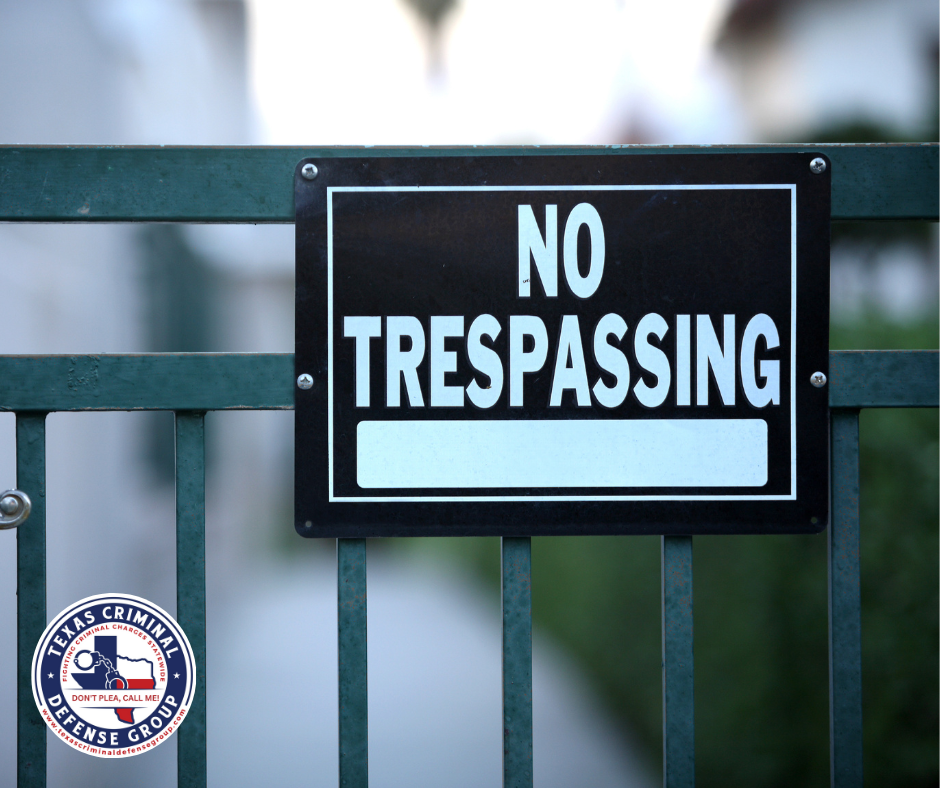
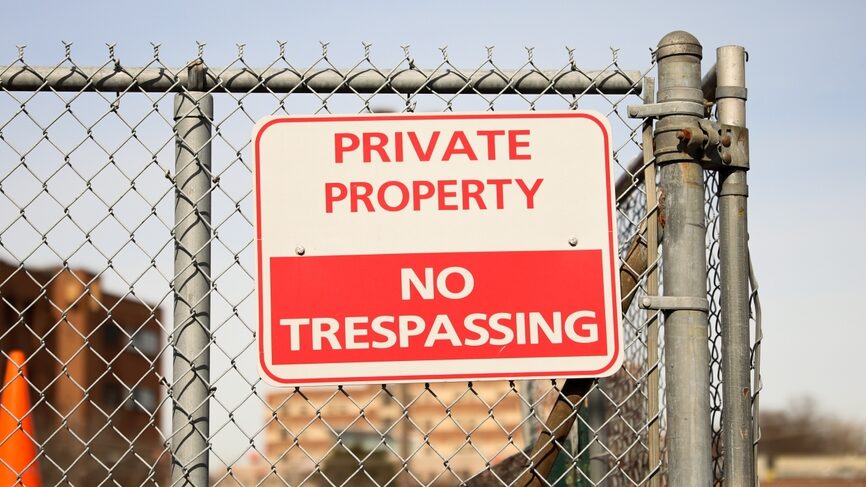
Signs tell others your land is private. Use large, easy-to-read signs at all entrances. Include messages like “No Trespassing” or “Private Property.” Bright colors and bold letters catch attention. Regularly check signs for damage or fading. Well-marked property lowers chances of accidental trespassing.
Communicating With Neighbors
Talk with neighbors about property boundaries. Friendly conversations build trust and reduce confusion. Share your expectations about trespassing. Neighbors can help watch your property. Good communication creates a safer neighborhood for everyone.
When To Involve Law Enforcement
Call the police if trespassing continues after warnings. Law enforcement can enforce Texas criminal trespassing laws. Report suspicious activity or damage immediately. Keep records of incidents and warnings given. Timely action helps protect your rights and property.
Frequently Asked Questions
What Is Criminal Trespassing In Texas?
Criminal trespassing means entering or staying on private property without permission. Texas law makes this illegal to protect owners’ rights. Penalties vary based on the situation and property type.
What Are Common Penalties For Trespassing In Texas?
Penalties include fines, community service, or jail time. The severity depends on the trespassing type and if the property was fenced or posted. Repeat offenses can lead to harsher punishments.
Can Property Owners Use Force Against Trespassers?
Texas allows reasonable force to protect property but not deadly force unless in self-defense. Owners cannot harm trespassers unless they feel threatened. Using force beyond this can lead to legal trouble.
How Can Someone Avoid Criminal Trespassing Charges?
Always get permission before entering private land. Look for “No Trespassing” signs and respect fenced areas. If unsure, ask the property owner to avoid legal issues.
Conclusion
Texas takes criminal trespassing seriously. People must respect private property and signs. Violating these laws can bring fines or jail time. Knowing the rules helps avoid trouble with the law. Property owners also have rights to protect their land. Stay aware and act responsibly to keep safe.
Understanding trespassing laws benefits everyone in Texas. Keep this information in mind when near private areas. It helps create respect and peace in communities.

Ismail Hossain is the founder of Law Advised. He is an Divorce, Separation, marriage lawyer. Follow him.