Adverse Possession Laws in Texas: Essential Guide for Property Owners
Have you ever wondered what happens if someone lives on a piece of land for years without owning it? In Texas, the law has a unique way of handling this situation, called adverse possession.
Understanding these laws can protect your property rights or even help you claim land you’ve been using. If you want to know how adverse possession works and what it means for you, keep reading—this guide breaks down everything you need to know in simple terms.
Don’t miss out on vital information that could affect your property ownership.
Basics Of Adverse Possession In Texas
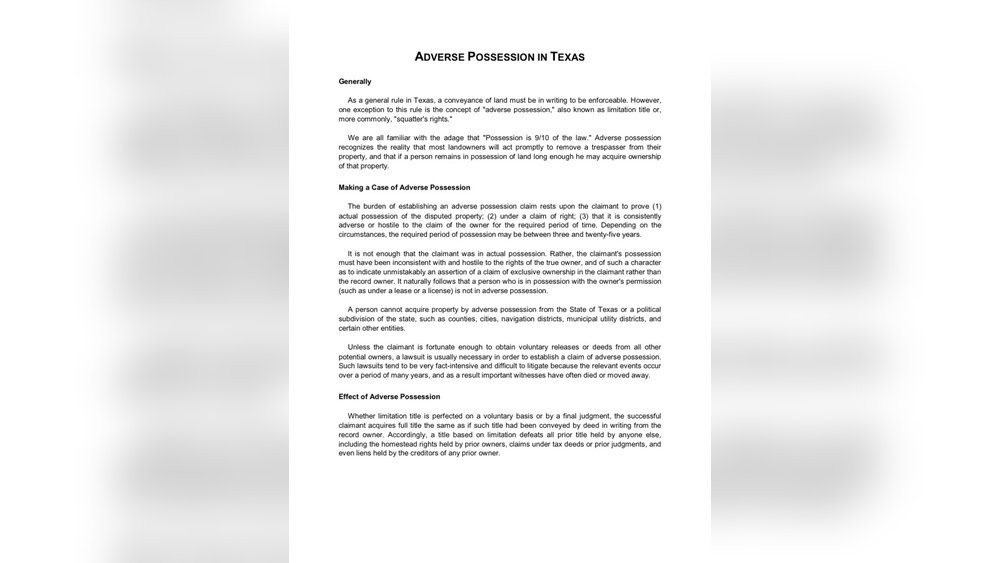
Adverse possession is a legal way to claim land ownership in Texas. It allows a person to gain title to land by using it openly and continuously without the owner’s permission. This concept helps resolve disputes when land is unused or forgotten. Understanding the basics is key to knowing how adverse possession works in Texas.
The law sets clear rules on what a claimant must prove. The possession must be visible and obvious. It must also be hostile, meaning without the owner’s consent. Texas law requires specific conditions to be met before ownership can change hands.
Legal Criteria For Claiming Ownership
Claimants must meet several legal criteria to claim land through adverse possession. The use of the land must be actual, meaning they physically use or improve the property. Possession must be open and obvious to the true owner. It cannot be secret or hidden. The possession must be exclusive, with no sharing with the owner or public. It must also be continuous and uninterrupted for a set time. The claimant must treat the land as their own.
Time Requirements For Possession
Texas law requires different time periods for adverse possession claims. The most common period is 10 years of continuous possession. In some cases, possession must last 5, 7, or 25 years. The length depends on how the possession began and if the claimant has a deed or color of title. The clock starts when possession becomes actual and meets all legal criteria. Time is crucial to successfully claim ownership.

Credit: agrilife.org
Types Of Adverse Possession Claims
Adverse possession claims vary by the type of possession and evidence presented. Texas law recognizes several ways a person can claim ownership of land through adverse possession. Each type has specific rules and time requirements. Understanding these types helps clarify how adverse possession works in Texas.
Color Of Title Claims
Color of title means a person has a written document that appears to give ownership. This document may be incorrect or incomplete. The person must possess the land for at least three years. The claim covers the land described in the faulty document. This type of claim often speeds up the process of gaining legal title.
Open And Notorious Possession
The possession must be visible and obvious to others. It cannot be hidden or secret. This lets the true owner know someone is using the land. The possession must last for at least ten years. The person acts as if they own the property openly and without hiding it.
Hostile And Actual Possession
Hostile means the possession is without the owner’s permission. Actual means the person physically uses the land. The use must be continuous and exclusive. The possession must last for ten years or more. This type shows clear intent to claim ownership over the property.
Steps To Protect Your Property
Protecting your property from adverse possession is vital in Texas. Taking clear steps helps you maintain control over your land. These actions reduce the risk of someone claiming your property without permission.
Regular Property Inspections
Walk your property often to check for signs of trespassing. Look for new fences, buildings, or other changes. Early detection helps stop problems before they grow. Keep a record of each visit with dates and notes.
Posting Clear Boundaries
Mark your property lines with visible signs or fences. Use clear and legal boundary markers. This shows you claim the land and prevents confusion. Make sure markers stay in good condition and replace them as needed.
Responding To Potential Claims
Act quickly if someone tries to claim your land. Send a written notice to stop any use of your property. Consult a lawyer to understand your rights and options. Ignoring claims can make it easier for others to gain ownership.

Credit: www.scribd.com
Filing And Defending Against Claims
Filing and defending against adverse possession claims in Texas involves clear legal steps. Property owners and claimants must understand these rules to protect their rights. The process can be complex and requires careful attention to deadlines and proof. Knowing the basics helps both parties prepare for possible disputes.
Legal Procedures For Adverse Possession
To file an adverse possession claim in Texas, a person must occupy the property openly and continuously. This occupation must last at least 3, 5, or 10 years, depending on the case type. The claimant must show they treated the land as their own. Legal documents like affidavits or lawsuits start the claim process. The court reviews evidence to decide if the claim is valid.
Common Defenses For Property Owners
Property owners can defend their land by proving the claimant did not meet legal requirements. Showing the occupation was not continuous or open is common. Owners may also prove they gave permission to use the land, which cancels adverse possession claims. Keeping records of property use and maintenance helps build a strong defense.
When To Consult An Attorney
Consulting an attorney early can prevent costly mistakes. Lawyers help understand complex laws and gather necessary evidence. They guide clients through filing or defending claims properly. Legal advice increases the chance of a favorable outcome in court. Acting quickly is important to protect property rights effectively.

Credit: rollingwoodmanagement.com
Frequently Asked Questions
What Is Adverse Possession In Texas Law?
Adverse possession allows someone to claim ownership of land after using it openly for years. In Texas, this period usually lasts between 3 and 10 years, depending on the case.
How Long Do You Need To Possess Property For Adverse Possession?
Texas law requires possession for at least 3 to 10 years, depending on the situation. The possession must be continuous, open, and without the owner’s permission.
Can Adverse Possession Be Claimed On Government Land In Texas?
No, adverse possession cannot be claimed on land owned by the government in Texas. Only private property or land owned by individuals may be subject to adverse possession claims.
What Proof Is Needed To Win An Adverse Possession Claim?
You must show continuous, open, and hostile use of the land for the required time. Evidence can include photos, witnesses, or property tax payments.
Conclusion
Texas adverse possession laws protect those who openly use land without permission. Claimants must meet strict rules to gain ownership. The process takes years and requires clear proof. Property owners should regularly check their land to avoid losing it. Understanding these laws helps avoid legal troubles and surprises.
Everyone should know their rights and responsibilities about land use. Stay informed to protect your property and respect others’ claims.

Ismail Hossain is the founder of Law Advised. He is an Divorce, Separation, marriage lawyer. Follow him.