Harassment at Work Laws in Texas: What You Need to Know Now
Are you worried about harassment at your workplace in Texas? Understanding your rights is the first step to protecting yourself and creating a safer environment.
Harassment can take many forms, and knowing the laws that apply to you can make all the difference. This article will guide you through the key points of harassment laws in Texas, so you know exactly what to expect and how to respond.
Keep reading to empower yourself with the knowledge you need to stand up for your rights at work.
Types Of Workplace Harassment In Texas
Workplace harassment in Texas can take many forms. It creates a harmful environment and affects job performance. Knowing the types of harassment helps workers and employers identify and address these issues.
Texas law protects employees from different kinds of harassment at work. Recognizing these types is the first step to a safer workplace.
Sexual Harassment
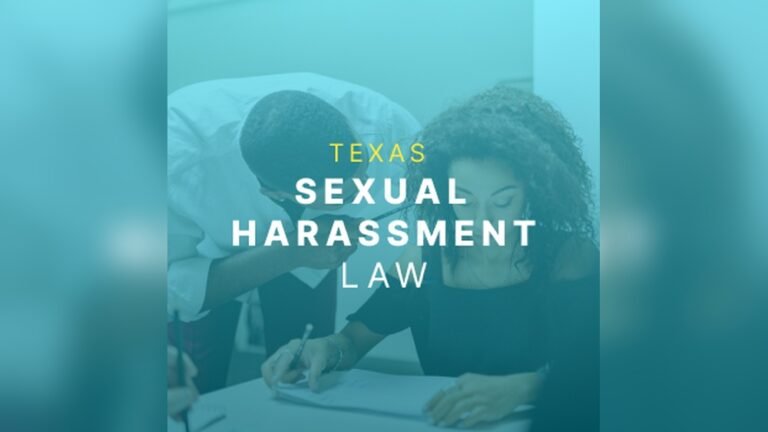
Sexual harassment includes unwanted sexual advances or comments. It can be physical, verbal, or visual. This type of harassment makes the workplace uncomfortable or hostile. Examples include inappropriate touching, jokes, or displaying offensive images. Texas law forbids sexual harassment and provides ways to report it.
Discriminatory Harassment
This harassment targets a person’s race, gender, age, or other protected traits. It involves unfair treatment or offensive remarks. Discriminatory harassment can harm a worker’s dignity and career. Employers must stop such behavior and protect employees under Texas law.
Bullying And Retaliation
Bullying means repeated mistreatment, like threats or insults. Retaliation happens when someone faces punishment for reporting harassment. Both bullying and retaliation damage work relationships and morale. Texas laws help workers fight back against these harmful actions.
Credit: www.texasdiscriminationattorney.com
Legal Protections For Employees
Employees in Texas have strong legal protections against harassment at work. These laws protect workers from unfair treatment and hostile environments. Knowing these protections helps employees understand their rights and seek help.
Federal Laws Applicable In Texas
Federal laws apply to all workplaces in Texas. The main law is Title VII of the Civil Rights Act. It bans harassment based on race, color, religion, sex, or national origin. The Equal Employment Opportunity Commission (EEOC) enforces this law. Other important laws include the Americans with Disabilities Act and the Age Discrimination in Employment Act. They protect against harassment based on disability and age. These laws cover most employees in Texas, no matter the size of the company.
Texas State Laws
Texas also has state laws to protect employees. The Texas Labor Code prohibits workplace harassment and discrimination. It covers similar grounds as federal laws but applies specifically in Texas. Some protections apply only to public employees. Texas law requires the state to provide safe work environments for all workers. Workers can file complaints with the Texas Workforce Commission Civil Rights Division for state law violations.
Employer Responsibilities
Employers in Texas must keep workplaces free from harassment. They must create clear policies against harassment. Training employees on these policies is essential. Employers must investigate complaints promptly and fairly. They should take steps to stop harassment immediately. Ignoring harassment can lead to legal trouble for employers. Workers should report harassment to supervisors or human resources. Employers must protect workers from retaliation after complaints.
Filing A Harassment Complaint
Filing a harassment complaint in Texas involves several steps. Understanding these steps helps protect your rights. It also ensures your concerns reach the right people quickly. This process can feel overwhelming. Knowing where to start makes it easier.
Internal Reporting Procedures
Start by checking your company’s harassment policy. Most businesses have a clear process for complaints. Usually, you report to your supervisor or human resources. Write down what happened with dates and details. This record supports your claim. Your employer should take your report seriously. They must investigate the issue fairly and promptly. Keep copies of any communication about your complaint.
Role Of The Texas Workforce Commission
The Texas Workforce Commission (TWC) enforces workplace harassment laws. You can file a complaint with TWC if internal reporting does not work. TWC investigates claims of discrimination and harassment at work. They review your evidence and may hold hearings. The commission can help resolve issues without court. Filing with TWC is free and confidential. There are time limits for filing, so act quickly.
Filing With The Eeoc
The Equal Employment Opportunity Commission (EEOC) handles harassment complaints nationwide. You can file with the EEOC if your employer violates federal laws. The EEOC investigates and may mediate between you and your employer. You must file within 180 days from the harassment date. The EEOC can file a lawsuit if needed. Filing with the EEOC is a key step in seeking justice.

Credit: chavezlawfirm.law
Preventing Harassment At Work
Preventing harassment at work is essential for a safe and healthy workplace. Employers in Texas must take clear steps to stop harassment before it starts. A strong plan helps protect employees and the company.
Effective prevention includes clear policies, regular training, and a respectful environment. These efforts reduce the chance of harassment and create a positive workplace for everyone.
Workplace Policies
Clear workplace policies set the rules about harassment. These policies explain what behavior is not allowed. They describe how to report problems safely. A strong policy helps workers understand their rights. It also guides managers on how to act quickly and fairly.
Employee Training
Training teaches employees about harassment and its effects. It shows how to recognize and stop bad behavior. Regular sessions keep everyone aware and alert. Training builds respect and teamwork. It also helps workers feel safe to speak up.
Creating A Respectful Environment
A respectful environment stops harassment before it starts. Leaders must model good behavior every day. Open communication and kindness are key. When respect is common, employees feel valued and secure. This culture lowers conflict and boosts morale.

Credit: tcdd.texas.gov
Frequently Asked Questions
What Laws Protect Against Workplace Harassment In Texas?
Texas follows federal laws like Title VII to protect workers from harassment. State laws also offer additional protections for employees.
How Can I Report Harassment At My Texas Workplace?
You can report harassment to your employer or the Texas Workforce Commission. Filing a complaint quickly helps protect your rights.
What Types Of Behavior Count As Workplace Harassment In Texas?
Unwanted actions like bullying, threats, or offensive jokes qualify as harassment. It covers any hostile behavior based on race, gender, or other traits.
Can I Sue My Employer For Harassment In Texas?
Yes, you can sue if your employer ignores harassment complaints. Legal action may include damages for emotional harm and lost wages.
Conclusion
Workplace harassment laws in Texas protect employees from unfair treatment. These laws help create safer and fairer work environments. Knowing your rights is important to stand against harassment. Speak up or seek help if you face any harassment. Employers must follow these laws to keep workplaces respectful.
Everyone deserves to work without fear or discomfort. Stay informed and support a harassment-free workplace for all.

Ismail Hossain is the founder of Law Advised. He is an Divorce, Separation, marriage lawyer. Follow him.