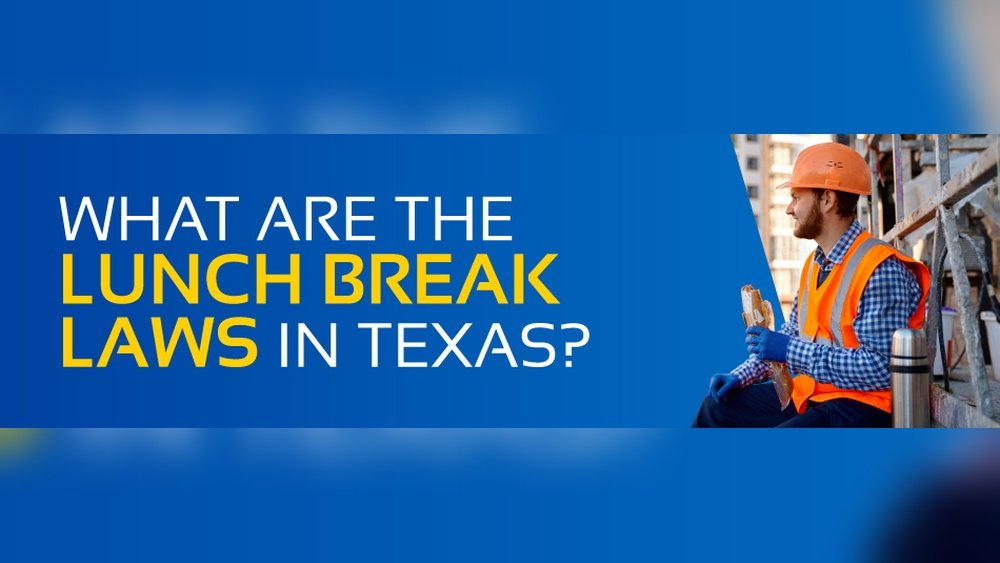
Labor Laws in Texas Lunch Breaks: What Every Worker Must Know
Are you unsure about your rights when it comes to lunch breaks at work in Texas? You’re not alone.
Many employees wonder how long their breaks should be and whether their employer is following the law. Knowing the facts about labor laws in Texas lunch breaks can protect your time and wellbeing during the workday. This article will clear up the confusion and give you the information you need to make sure your breaks are fair and legal.
Keep reading to find out what Texas law really says about lunch breaks—and how it affects you.

Credit: bestlaborlawposters.com
Texas Lunch Break Requirements
Texas does not have specific laws that require employers to give lunch breaks. Employers can decide if they want to provide breaks or not. Most companies offer lunch breaks to help employees rest and eat during long shifts.
Federal law says breaks under 20 minutes must be paid. Longer breaks, like lunch, do not have to be paid. This rule applies to Texas workers too.
Paid Vs. Unpaid Lunch Breaks In Texas
Employers can choose if lunch breaks are paid or unpaid. If the break is less than 20 minutes, it must be paid. Lunch breaks of 30 minutes or more usually are unpaid.
Workers should check their company’s break policy to know what applies.
Breaks For Minors In Texas
Workers under 18 have special rules for breaks. Texas law requires a 30-minute break for minors who work more than five hours. This break must be uninterrupted and off duty.
These rules protect young workers and help them stay safe and healthy.
Employers’ Responsibilities For Lunch Breaks
Employers must follow federal and Texas labor laws. They should clearly tell workers about break policies. Keeping good records of breaks helps avoid problems.
Workers can ask their employer for lunch breaks but must follow company rules.
Federal Vs. Texas Rules
Labor laws about lunch breaks vary between federal and Texas state rules. Knowing the differences helps employees and employers understand their rights and duties. Federal law sets the baseline, but Texas does not add extra requirements for lunch breaks.
The Fair Labor Standards Act (FLSA) guides federal lunch break rules. It does not require employers to provide lunch or coffee breaks. Employers decide if they want to give breaks and for how long. If breaks are short, usually under 20 minutes, they must pay employees for that time.
Texas law does not require employers to offer lunch breaks either. Texas follows the federal lead closely on this issue. Employers are free to set their own policies on breaks and meal times. Many companies choose to give unpaid lunch breaks lasting 30 minutes or more.
Federal Lunch Break Rules
The FLSA governs breaks under federal law. It requires payment for breaks shorter than 20 minutes. Longer breaks, like 30 minutes or more, do not need to be paid if the employee is relieved of duties. There is no federal rule mandating lunch breaks.
Texas Lunch Break Regulations
Texas law does not require lunch breaks. Employers may offer breaks but are not legally obligated. Break policies vary by company and industry. Texas follows federal standards on paying for short breaks.
What Employees Should Know
Employees should check their company’s break policy. Paid or unpaid breaks depend on employer rules. Reporting work during breaks usually means the time is paid. Knowing your rights can prevent confusion and disputes.
Paid Vs. Unpaid Breaks
Understanding the difference between paid and unpaid breaks is important for Texas workers. The law does not require employers to provide lunch breaks. But if they do, the rules about pay can change.
Paid breaks usually last 20 minutes or less. Employers must pay employees for these short breaks. Workers stay on duty and cannot leave the workplace during paid breaks.
Unpaid breaks are typically longer. Lunch breaks of 30 minutes or more often fall into this category. Employees can leave the workplace and are not paid for this time.
What Are Paid Breaks?
Paid breaks are short rest periods during work hours. These breaks give workers time to relax briefly. Employers must include this time in the employee’s pay. Common paid breaks last 10 to 20 minutes. The worker cannot perform any work during paid breaks.
What Are Unpaid Breaks?
Unpaid breaks usually include lunch or meal times. These breaks last at least 30 minutes. The worker is free to leave the job site. No work duties can be done during unpaid breaks. Employers do not pay for this time.
Texas Lunch Break Rules
Texas law does not require lunch breaks. Employers may offer breaks but they are not mandatory. If breaks are given, paid breaks must be counted as work hours. Unpaid breaks must allow the employee to fully rest.

Credit: www.postercompliance.com
Employee Rights And Employer Duties
Understanding employee rights and employer duties about lunch breaks in Texas is important. Both sides have clear roles to follow. This helps keep the workplace fair and safe.
Employees need to know what they can expect during work hours. Employers must meet certain rules to support their staff. These rules come from Texas labor laws and federal guidelines.
Employee Rights To Breaks And Lunch Periods
Texas law does not require paid lunch breaks for workers. Most employers offer unpaid meal breaks, usually lasting 30 minutes. Employees have the right to take these breaks without pressure to work.
Workers can refuse to skip their lunch break. If an employee works more than six hours, they often get a meal break. This helps prevent fatigue and keeps performance steady.
Employer Responsibilities For Breaks And Work Conditions
Employers must provide a safe place for employees to rest during breaks. They should allow workers to leave their stations for lunch. Interrupting breaks with work duties is not allowed.
Employers must also follow federal laws on breaks for minors. These rules protect younger workers from long hours without rest. Following these rules avoids legal issues and boosts morale.
Handling Break Disputes And Complaints
Employees should report denied breaks to their supervisor or HR. Employers should have clear policies about breaks in the employee handbook. Resolving issues quickly keeps the workplace calm and fair.
Both sides benefit from open communication. Employers who respect break laws reduce complaints and improve productivity. Employees who understand their rights feel more valued and focused.

Credit: www.osha.com
Frequently Asked Questions
What Are Texas Lunch Break Rules For Employees?
Texas law does not require employers to give lunch breaks. Employers may choose to offer breaks but are not legally obligated. Paid breaks under 20 minutes must be counted as work time.
Do Texas Workers Get Paid For Lunch Breaks?
Lunch breaks lasting 30 minutes or more can be unpaid if employees are free from work duties. Short breaks under 20 minutes must be paid. Payment depends on company policy and job tasks.
Can Texas Employers Force Employees To Skip Lunch Breaks?
Employers should not force employees to skip lunch, but no specific law forbids it. Employees must be paid for all hours worked. Work hours and breaks depend on employer rules and agreements.
Are Lunch Breaks Mandatory Under Federal Law In Texas?
Federal law does not require lunch breaks for employees over 18. Break policies depend on state or employer rules. Texas follows federal guidelines, so no mandatory lunch breaks exist by law.
Conclusion
Texas does not require employers to give lunch breaks. Many workers still get breaks, but it depends on the employer. Knowing your rights helps you understand what to expect. Talk to your employer if you have questions about breaks. Fair work rules protect both workers and companies.
Stay informed to make sure you get a fair lunch break. This knowledge helps create a better work environment for everyone.

Ismail Hossain is the founder of Law Advised. He is an Divorce, Separation, marriage lawyer. Follow him.