Window Tint Laws in Georgia: What Drivers Need to Know
Window tinting is a popular way to improve privacy, reduce heat, and protect your vehicle’s interior in Georgia. But before you tint your windows, it’s important to understand the window tint laws in Georgia. Breaking these laws can lead to fines, failed inspections, or even having to remove the tint. This article explains the legal limits, exceptions, penalties, and practical tips to help you stay compliant and make smart choices.
Legal Limits For Window Tint In Georgia
Georgia law sets specific rules for how dark and reflective window tints can be. The main measurement is Visible Light Transmission (VLT), which shows how much light passes through the tint.
| Window | Allowed Tint (VLT %) | Reflectivity Limit |
|---|---|---|
| Front Side Windows | ≥ 32% | ≤ 20% |
| Rear Side Windows | ≥ 32% | ≤ 20% |
| Rear Window | ≥ 32% | ≤ 20% |
| Windshield | No tint below AS-1 line | Not allowed |
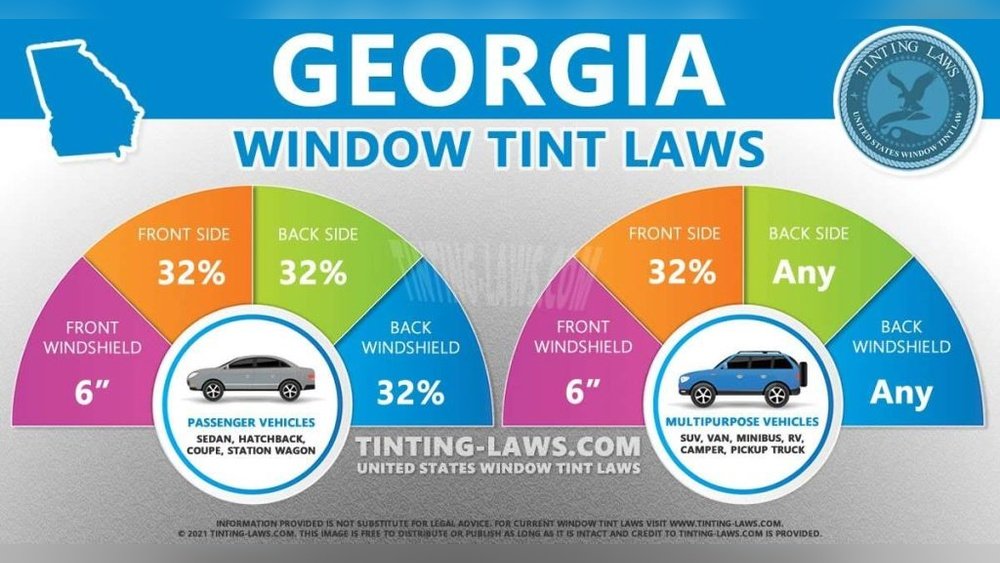
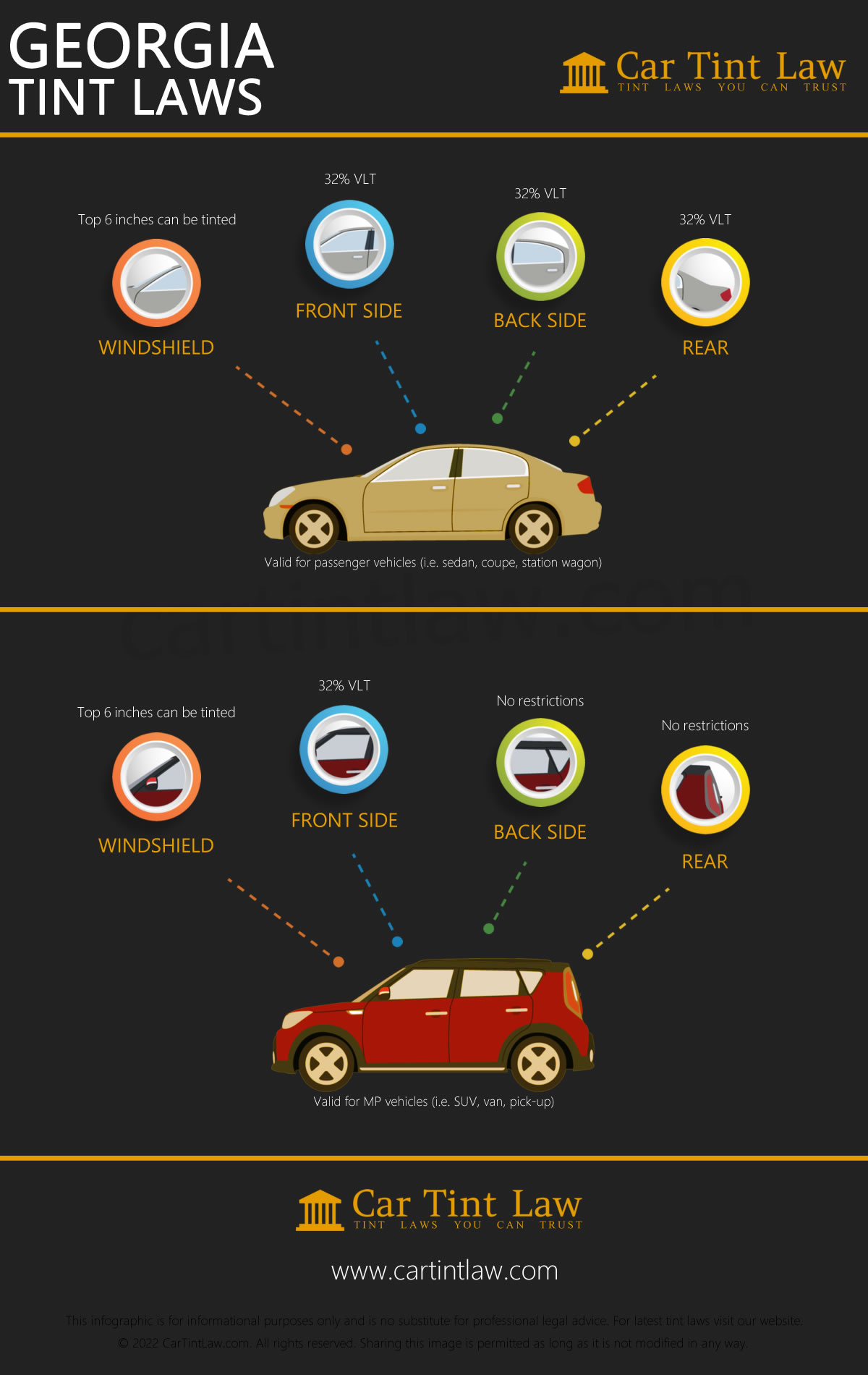
This means all side and rear windows must let at least 32% of light in. The windshield can only have tint above the manufacturer’s AS-1 line (usually the top 5-6 inches). Reflective tint, which looks shiny or mirrored, cannot be over 20% reflective.
Differences For Vehicle Types
Window tint laws are not the same for every vehicle. Passenger cars and SUVs/trucks follow similar rules, but there are small differences.
| Vehicle Type | Rear Window Tint | Rear Side Window Tint |
|---|---|---|
| Passenger Cars | ≥ 32% VLT | ≥ 32% VLT |
| SUVs/Trucks | ≥ 32% VLT | ≥ 32% VLT |
Some states allow darker tint for SUVs and trucks. In Georgia, the same 32% rule applies to all vehicles, which surprises many drivers. If you drive a commercial vehicle, the rules may be stricter.

Credit: walkercountyga.gov
Medical Exemptions
Georgia offers medical exemptions for people with certain health conditions. If you have a medical need (like photosensitivity or lupus), you can apply for permission to use darker tint.
To get an exemption:
- Obtain a doctor’s certificate explaining your condition.
- Submit the certificate to the Georgia Department of Public Safety.
- Receive approval and keep the exemption letter in your car.
Common mistake: Many drivers think a doctor’s note is enough. You must have official approval from the state. Police will ask for the exemption paperwork, not just a note.
Penalties For Illegal Tint
If your tint is too dark or too reflective, you can face penalties:
- First offense: Fine of up to $100
- Repeat offenses: Higher fines, possible misdemeanor charges
- Police may require you to remove the tint to pass inspection
Inspections are part of annual vehicle checks. A failed inspection means you can’t renew your registration until the tint is fixed. Some insurance companies may also refuse coverage after repeated violations.

Credit: thetintguy.com
Tips For Staying Legal
Many drivers make mistakes when choosing window tint. Here’s how to avoid trouble:
- Ask for certified tint: Make sure your installer uses film that meets Georgia standards.
- Check VLT before purchase: Not all tint films are labeled clearly. Ask for proof.
- Keep your paperwork: If you have a medical exemption, always carry it in your car.
- Don’t forget the windshield: Tinting below the AS-1 line is illegal, even if it’s light.
- Test your tint: Some shops use a VLT meter to check compliance. Ask for a reading before you leave.
A common beginner mistake is ignoring reflectivity. Even if your tint is light, too much reflectivity can result in fines.
Why Georgia Has Strict Tint Laws
Window tint rules are mainly for driver safety and law enforcement visibility. Too dark tint makes it hard for police to see inside vehicles during stops, which can be dangerous. It also reduces visibility at night, increasing accident risk. Georgia’s 32% rule is stricter than many states, so drivers moving from other regions often fail compliance checks.
Credit: www.cartintlaw.com
Comparison With Neighboring States
If you travel to nearby states, their tint laws may differ. Here’s a quick comparison:
| State | Front Side VLT | Rear Side VLT | Windshield |
|---|---|---|---|
| Georgia | 32% | 32% | AS-1 line only |
| Florida | 28% | 15% | AS-1 line only |
| Alabama | 25% | 25% | AS-1 line only |
| South Carolina | 27% | 27% | AS-1 line only |
Georgia’s tint laws are stricter than Florida, Alabama, and South Carolina. If you cross state borders, your tint must comply with local laws or you may be fined.
Practical Insights For Georgia Drivers
Many tint shops advertise “legal tint” but use films that barely meet the 32% limit. Over time, tint can fade or darken, especially in Georgia’s hot climate. This means a tint that was legal when installed may fail inspection after a few years.
Regularly check your tint with a meter.
Another insight: Police use portable VLT meters during traffic stops. If your tint is even slightly below 32%, you can be cited. Always err on the side of caution—choose tint with a VLT of 33% or higher to allow for small errors.
For more details on Georgia’s regulations, visit the Georgia Department of Revenue.
Frequently Asked Questions
What Is The Darkest Legal Window Tint In Georgia?
The darkest legal tint for side and rear windows is 32% VLT. The windshield can only be tinted above the AS-1 line.
Can I Get A Medical Exemption For Darker Tint?
Yes, but you need state approval after submitting a doctor’s certificate. Carry the exemption letter in your vehicle.
Are Police Allowed To Measure My Window Tint?
Yes. Police use VLT meters during stops and inspections. If your tint is under 32%, you can be fined.
Does Tint Law Apply To Commercial Vehicles?
Commercial vehicles often have stricter rules. Check with Georgia’s Department of Public Safety for your vehicle type.
Will My Tint From Another State Be Legal In Georgia?
No. Tint must meet Georgia’s 32% rule even if it is legal elsewhere. Out-of-state vehicles are still subject to Georgia law when driving here.
Understanding and following the window tint laws in Georgia keeps you safe, avoids fines, and ensures your car passes inspection. When in doubt, choose a lighter tint and confirm compliance with a certified installer. Staying informed helps you enjoy privacy and style without legal trouble.

Ismail Hossain is the founder of Law Advised. He is an Divorce, Separation, marriage lawyer. Follow him.