Can Boyfriend Be Claimed As Dependent 2026 Expert Guide
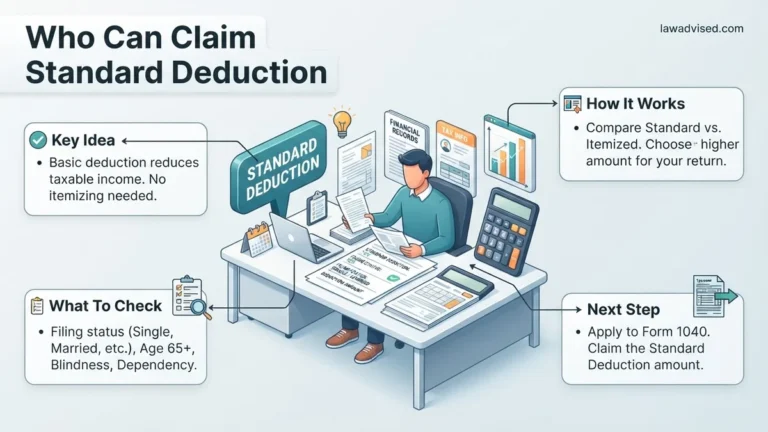
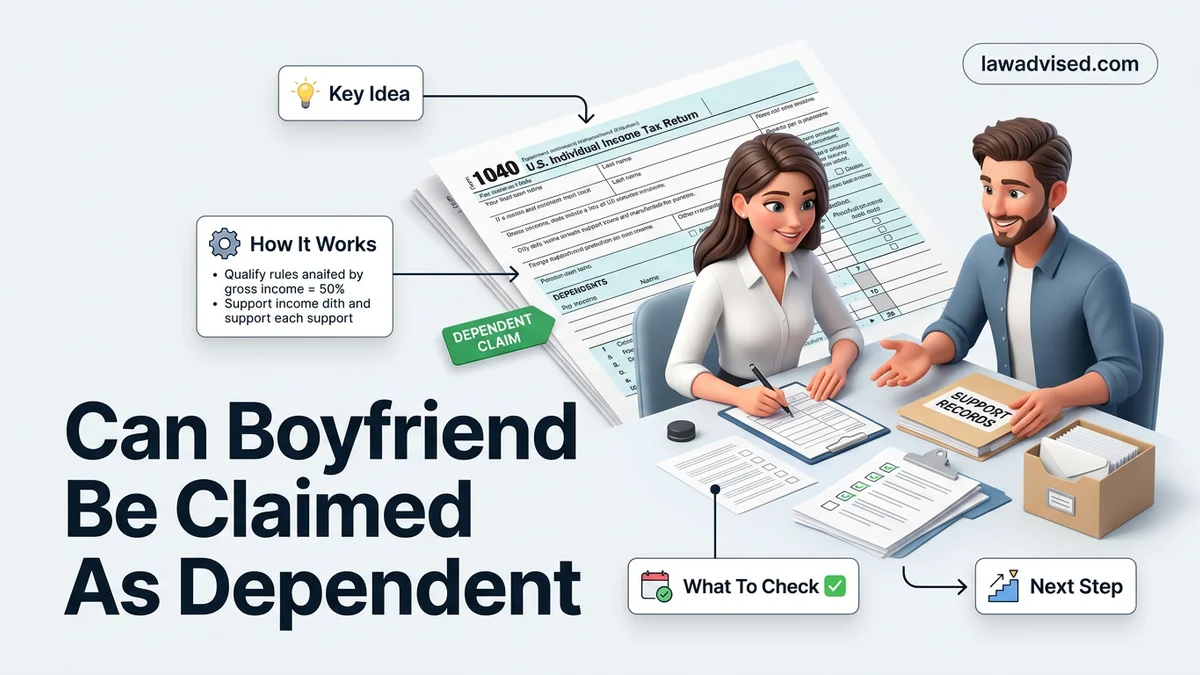
Yes, you can potentially claim your boyfriend as a dependent on your federal taxes, but only if he meets strict IRS Qualifying Relative rules. He must live with you all year, earn less than the gross income limit, and rely on you for over 50% of his financial support.
Yes, you can legally claim your boyfriend as a dependent on your federal income taxes for 2026, but only if he meets strict IRS criteria known as a Qualifying Relative. Romantic partnership alone does not grant tax dependency status. He must live with you for the entire calendar year, pass a specific gross income limit, and rely on you for more than half of his total financial support.
Navigating these tax rules prevents costly IRS audits, rejected returns, and potential penalties. If you provide financial stability for your partner while he pursues education, searches for work, or manages health challenges, understanding these qualifications ensures you maximize your 2026 tax savings legally.
Key Takeaways
- Your boyfriend must live with you in your primary home for the entire tax year.
- He must pass the IRS gross income test for the specific tax year.
- You must provide more than 50% of his total annual financial support.
- Filing status rules prevent you from claiming him if it violates local law cohabitation statutes.
- State tax laws regarding non-relative dependents can differ significantly from federal rules.
What Causes IRS Eligibility Failures When Claiming a Partner
Most taxpayers attempting to claim an unmarried romantic partner fail because they overlook the strict chronological and financial thresholds enforced by the IRS. A boyfriend is never classified as a Qualifying Child, meaning he must clear every single hurdle of the Qualifying Relative test without exception.
The All-Year Household Residency Trap
The IRS requires your boyfriend to live as a member of your household for the entire 365 days of the tax year. Even if your partner moved in with you on January 2nd, 2026, he fails this specific test for the 2026 tax year.
- Temporary absences for vacation, business, or hospital stays do not break the continuous residency rule.
- If he maintained a separate apartment, paid rent elsewhere, or spent significant weeks living with family, you lose eligibility.
- The relationship cannot violate local laws. If cohabitation is illegal in your specific state or municipality, the IRS disqualifies the dependency claim entirely.
Income Threshold and Residency Violations
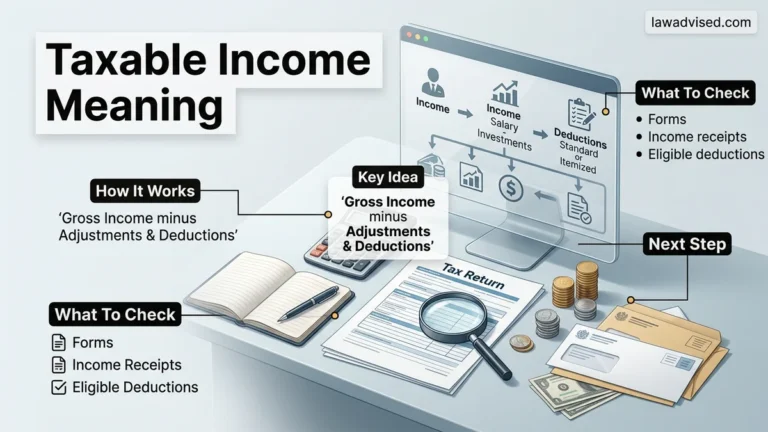
Many couples fail because the supported partner earns a small income that creeps above the federal ceiling. For 2026, a dependent’s gross taxable income must remain below the IRS-mandated statutory threshold.
- Tax-exempt income, such as certain welfare benefits or municipal bond interest, is generally excluded from this calculation.
- Wages, tips, unemployment compensation, and taxable investment dividends all count toward the partner’s gross income limit.
- Failing this test by even a single dollar means total disqualification, regardless of how much financial support you provided.
How to Fix and Verify the IRS Qualifying Relative Tests Step-by-Step
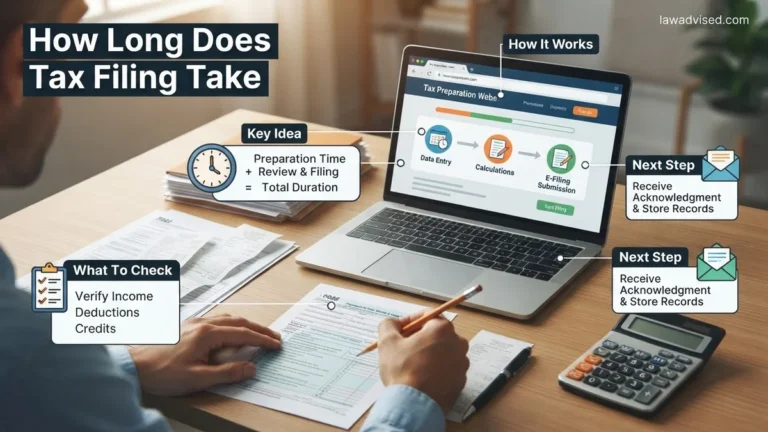
Verifying your boyfriend’s dependency status requires a mathematical audit of your shared household finances and income records before you file your 2026 tax return. Running through these specific verification steps protects you from compliance errors.
Calculating the 50 Percent Support Threshold
You must prove that you provided over half of your boyfriend’s total financial support for the entire calendar year. Total support includes housing, food, utilities, clothing, medical care, and transportation.
- Calculate the total cost of maintaining your household, including rent or mortgage interest, property taxes, utilities, and grocery bills, then allocate his proper share.
- Add personal expenses you paid for him, such as car insurance, cell phone bills, and medical copays.
- Compare your direct financial contributions against any income he earned and spent on himself, including his own savings or government assistance he received.
Documenting Residency and Income Proof
Gather concrete documentation to substantiate your claim in the event of an IRS inquiry or automated mismatch notice during the 2026 filing season.
- Keep lease agreements, utility bills, mail delivery logs, and driver’s license updates proving continuous cohabitation for all twelve months.
- Collect W-2s, 1099s, or bank statements verifying his total annual gross income stayed below the legal limit.
- Maintain receipts, canceled checks, and credit card statements demonstrating that your financial outflow exceeded his total living costs by a clear margin.
What If Your Boyfriend Fails the Income or Residency Test
When evaluating a partner for tax purposes in 2026, failing the gross income limit or residency requirement is common. The IRS mandates that a qualifying relative must earn less than the statutory threshold, which is projected at $5,200 for the tax year. If your boyfriend earned even slightly above this limit, he cannot be claimed. Similarly, if he maintained a separate residence for even part of the year without meeting the member of the household rule, the dependency claim is automatically invalidated.
Alternative Filing Statuses to Consider
- Single Filing Status: If neither dependency nor marriage rules apply, you must continue filing as single or head of household (if you have a qualifying dependent child).
- Evaluate Common-Law Marriage: Check state laws regarding common-law marriage recognized in 2026, as legal marriage grants eligibility for joint filing.
- Reassess Household Financial Splits: Document all shared expenses meticulously for future tax planning if you intend to adjust financial support structures next year.
- Consult State-Specific Tax Rules: Some state tax jurisdictions enforce different dependency tests that occasionally recognize domestic partners even when federal rules do not.
Key Considerations and Next Steps for Filing Taxes With a Dependent Partner
Successfully claiming a romantic partner requires strict adherence to IRS documentation standards. You must secure a valid Social Security Number or Individual Taxpayer Identification Number for your boyfriend before filing your 2026 tax return. Furthermore, keeping meticulous records of financial contributions, housing receipts, and medical bills protects you in the event of an IRS audit. Tax experts emphasize that misreporting dependency status triggers severe penalties and delayed refunds.
Actionable Steps for Tax Season
- Gather Financial Statements: Collect bank records, lease agreements, and receipts proving you provided over 50 percent of his total annual support.
- Verify Legal Residency: Confirm that your boyfriend lived in your primary home for the entirety of the 2026 calendar year without interruption.
- Run Compliance Software Checks: Utilize certified 2026 tax preparation software to walk through the IRS tie-breaker rules and qualifying relative interrogatories.
- Review State Tax Guidelines: Cross-reference federal eligibility with your state revenue department regulations, as rules regarding non-traditional dependents vary widely.
What If It Still Doesn’t Work?
If automated software or preliminary calculations confirm your boyfriend does not qualify as a dependent, do not force the claim on your tax return. Attempting to claim an ineligible partner risks costly audits, interest charges, and the repayment of fraudulent credits. Consider these fallback steps to optimize your tax strategy:
- File an Amended Return Later: If your financial support changes retroactively or legal definitions shift, consult a professional about amending prior filings.
- Consult a Certified Public Accountant: Speak with a licensed CPA specializing in individual taxation to evaluate your household structure. Professional consultations typically cost between $200 and $450 depending on complexity.
- Engage an Enrolled Agent: Hire an IRS-authorized Enrolled Agent for targeted representation and precise tax planning regarding complex household dependency questions.
- Restructure Finances for Next Year: Adjust shared living arrangements and income thresholds now to ensure compliance for the upcoming tax cycle.
Conclusion
Claiming a boyfriend as a dependent on your 2026 tax return is strictly contingent on meeting rigorous IRS gross income, support, and residency tests. Failing any single requirement disqualifies the claim, necessitating alternative tax statuses or independent filings. According to verified research and expert sources from the American Institute of CPAs, accurate record-keeping and adherence to statutory thresholds prevent costly audit penalties. Your definitive next step is to calculate exact annual support totals using certified tax preparation software before submitting your final return.
❓ Frequently Asked Questions
What are the exact IRS tests my boyfriend must pass to be claimed as a dependent?
He must pass the Member of Household or Relationship test, the Gross Income test, the Total Support test, and not be a qualifying child of another taxpayer. Additionally, the relationship must not violate local state laws regarding illegal cohabitation.
How do I calculate whether I provided over 50% of his financial support?
You must compare the total amount you spent on his behalf (such as his share of rent, utilities, food, and medical care) against his total support from all other sources, including his own income, savings, and government assistance.
Does living together part-time or sharing an apartment count as living together all year?
No, temporary absences due to illness, education, business, or vacation are allowed, but he must maintain his primary residence in your home for the full 365 days of the tax year.
Can my boyfriend file his own tax return if I claim him as a dependent?
Yes, he can still file his own return to claim a refund for withheld taxes, but he must indicate on his return that he can be claimed as a dependent by another taxpayer.
Do state tax regulations allow me to claim my boyfriend as a dependent?
It depends heavily on your state of residence. Some states mirror federal IRS rules, while others have much stricter definitions or completely disallow claiming non-relative domestic partners.
What documentation should I keep if I claim my boyfriend as a dependent?
You should maintain detailed records proving that he lived with you all year (like lease agreements or mail) and bank or expense records proving you funded more than half of his living expenses.

Ismail Hossain is the founder of Law Advised. He is an Divorce, Separation, marriage lawyer. Follow him.