Employee Tax Withholding Explained 2026 Step-by-Step Guide
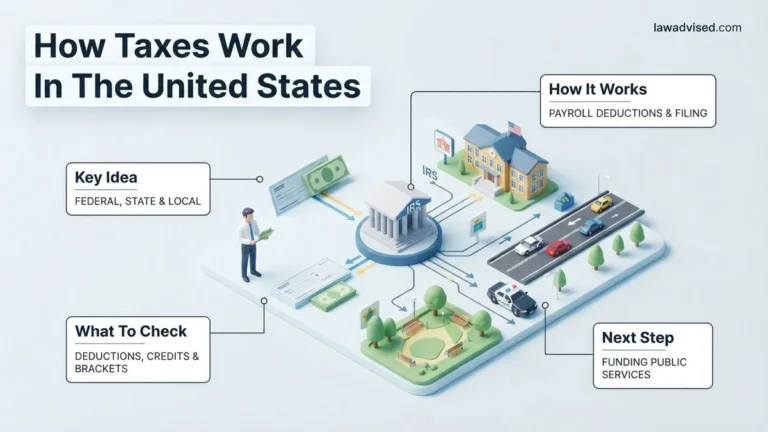
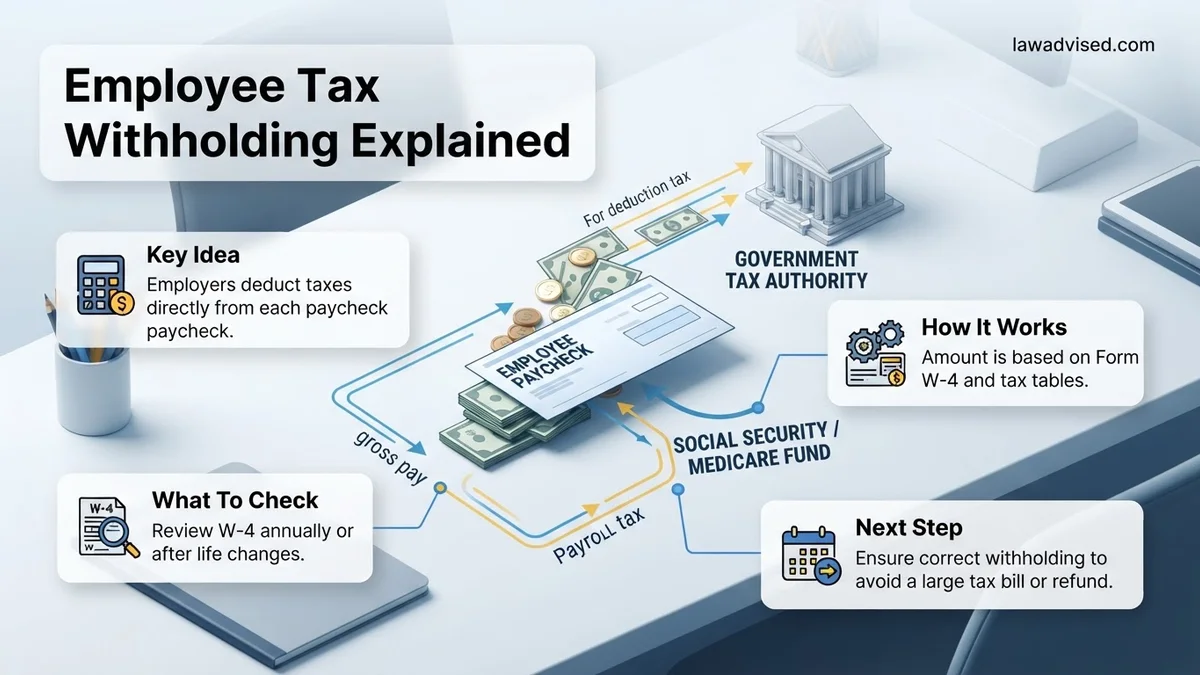
Employee tax withholding is the amount of money an employer deducts from an employee’s paycheck to pay federal, state, and local taxes directly to the government. Employers act as intermediaries, sending these funds to the IRS on your behalf throughout the year. The exact amount taken out depends directly on your salary and the information you provide on your Form W-4.
Employee tax withholding is the money your employer automatically deducts from your paycheck and sends directly to the IRS on your behalf. Think of it as a pay-as-you-go system. Instead of writing one massive check to the government every April, you pay your income taxes incrementally throughout the year with every single paycheck you receive.
Getting this amount right matters for your personal cash flow in 2026. If too little is withheld, you will face an unexpected tax bill and potential penalties when you file your return. If too much is withheld, you are giving the government an interest-free loan, sacrificing daily take-home pay that could be used for living expenses or high-yield savings.
Key Takeaways
- Employers act as intermediaries, sending withheld income taxes directly to the IRS throughout the year.
- Form W-4 determines the exact amount of federal income tax taken from your paycheck.
- FICA taxes require a mandatory 6.2% for Social Security and 1.45% for Medicare.
- Major life changes like marriage or having a child require submitting a revised Form W-4.
- Incorrect withholding can result in a surprise tax bill or an unexpectedly large tax refund.
What Causes Incorrect Employee Tax Withholding on Your Paycheck
Your paycheck does not guess how much tax you owe. It relies entirely on the information you provided when you started your job. If your life circumstances change and you fail to update your documentation, your employer will continue withholding the wrong amount. Keeping your withholding accurate requires understanding the primary triggers that skew your calculations.
- Outdated W-4 forms: Using old formulas from previous tax years can leave your withholding misaligned with current tax brackets.
- Major life events: Getting married, getting divorced, or welcoming a child instantly alters your tax liability.
- Multiple household earners: If you and your spouse both work, standard single-rate assumptions on default forms often result in severe under-withholding.
- Secondary income streams: Freelance work or side hustles generate income without automatic withholding, which impacts your total tax bracket.
The Impact of Major Life Changes on Your Take-Home Pay
Life transitions directly alter your tax bracket and dependency credits. When you experience a major life event, your old withholding elections become obsolete. For example, welcoming a child introduces new tax credits that lower your overall liability. If you do not update your withholding, your employer will keep taking out too much money. Conversely, starting a lucrative side gig increases your total taxable income. If your primary employer does not adjust for this extra earnings bracket, you risk owing money at year-end.
How to Fix Your Tax Withholding Using Form W-4 Step-by-Step
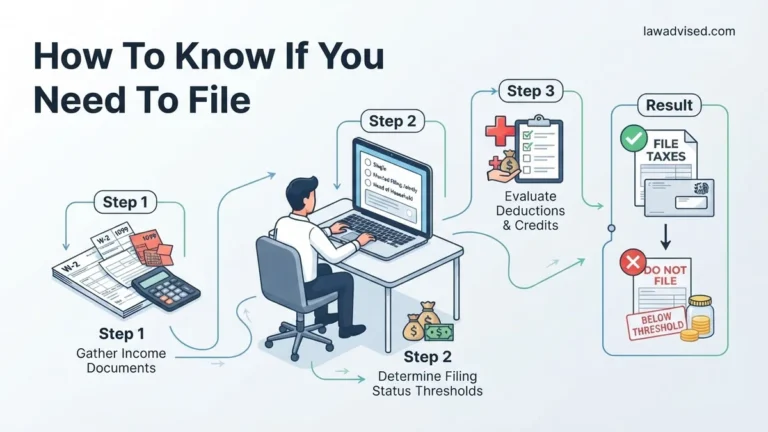
Fixing an incorrect withholding amount requires submitting an updated Form W-4 to your employer’s payroll department. The modern Form W-4 relies on a five-step design introduced by the IRS to replace old allowance systems. You do not need to fill out every single section. Most employees only need to complete specific steps based on their unique household and financial situation.
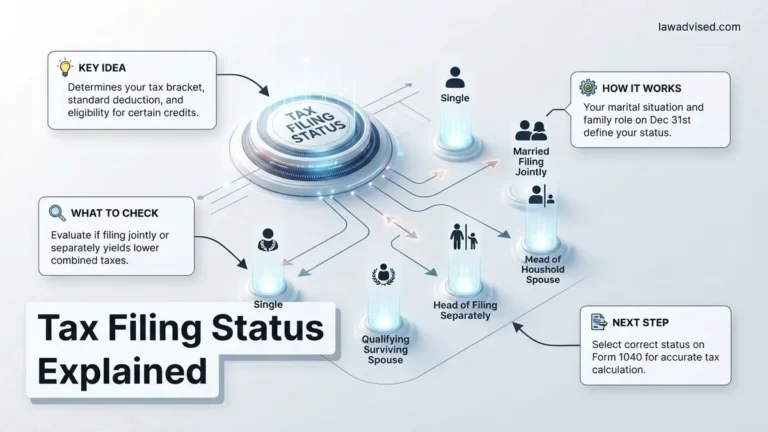
- Step 1: Enter personal information: Provide your name, address, Social Security number, and current filing status (Single, Married Filing Jointly, or Head of Household).
- Step 2: Account for multiple jobs: Use the IRS Tax Estimator online or the worksheet on page three if you hold multiple jobs simultaneously or if you are married filing jointly and your spouse also works.
- Step 3: Claim dependents: Multiply the number of qualifying children under 17 by two thousand dollars and other dependents by five hundred dollars, then enter the total amount.
- Step 4: Make other adjustments: Add extra withholding amounts per pay period if you have dividend income, retirement distributions, or side-gig earnings without automatic tax deductions.
- Step 5: Sign and date: Validate the document with your signature to make the changes legally binding for your employer’s payroll processing.
Using the IRS Tax Withholding Estimator for 2026 Precision
Manual calculations on a paper W-4 can lead to human error. To ensure maximum accuracy for your 2026 tax strategy, use the official IRS Tax Withholding Estimator tool online. Gather your most recent pay stubs from all household jobs, plus a summary of your expected non-wage income. The digital tool walks you through a series of intuitive prompts. It generates a precise, customized line-by-line entry guide for your Form W-4, ensuring your take-home pay is optimized down to the dollar.
What If Your Take-Home Pay Still Doesn’t Match Your Budget
Adjusting your Form W-4 is not always a one-and-done solution. If you submitted your updated withholding form and your subsequent paystubs still do not align with your financial projections, underlying calculation errors or external payroll processing delays may be to blame.
Common Causes for Withholding Mismatches
Payroll departments operate on strict schedules and face specific computational limitations. Understanding these friction points helps diagnose persistent take-home pay discrepancies.
- Payroll Lag Times: Employers typically require one to two full pay cycles to process and implement Form W-4 modifications.
- Multiple Income Streams: Failing to account for a spouse’s job or secondary freelance income on Step 2 of the form consistently leads to under-withholding.
- Bonus and Supplemental Wages: Employers often withhold flat supplementary tax rates on bonuses, temporarily throwing off standard paycheck expectations.
What If It Still Doesn’t Work?
If your withholdings remain inaccurate after multiple pay cycles, advanced troubleshooting is required to prevent a surprise tax bill or an unnecessarily small paycheck.
- Request a formal payroll audit from your human resources department to verify they entered your exact Form W-4 selections into their software correctly.
- Utilize the official IRS Tax Withholding Estimator online tool to cross-reference your year-to-date earnings against actual federal tax liability projections for 2026.
- Calculate a specific flat-dollar additional withholding amount on Step 4(c) of your W-4 to force your employer to deduct a precise extra amount each pay period.
- Consult a certified public accountant (CPA) or enrolled agent if your financial situation involves complex investments or self-employment streams; professional tax advisory fees typically range from $150 to $400 per hour depending on regional market rates.
Conclusion
Managing employee tax withholding prevents unexpected financial shortfalls and eliminates massive year-end tax liabilities. By systematically auditing your paystubs and fine-tuning your Form W-4, you regain precise control over your household cash flow. According to verified research and expert sources from the American Institute of CPAs (AICPA), reviewing your tax withholdings at least once annually or immediately following major life events is the gold standard for financial health. Your actionable next step for today is to log into your employer portal, download your most recent paystub, and verify that your current withholding elections match your actual 2026 financial reality.
❓ Frequently Asked Questions
How does Form W-4 directly impact my take-home pay?
Form W-4 informs your employer how much federal income tax to withhold based on your filing status, dependents, and extra income. Claiming more dependents reduces your withholding, increasing your immediate take-home pay, while claiming fewer dependents increases withholding and reduces your paycheck.
What is the difference between federal income tax and FICA tax withholding?
Federal income tax withholding varies based on your personal financial situation and Form W-4 selections. FICA taxes—which fund Social Security (6.2%) and Medicare (1.45%)—are flat, mandatory percentages applied to nearly all earned wages regardless of your W-4 entries.
What happens if I have too little tax withheld from my paycheck?
If your employer withholds too little tax throughout the year, you will likely owe money when you file your annual tax return. You may also face underpayment penalties from the IRS if the total unpaid tax exceeds certain threshold limits.
When should I update my employee tax withholding?
You should submit a new Form W-4 after experiencing major life events such as getting married, divorcing, having or adopting a child, buying a home, or taking on a second job. Adjusting your withholding prevents massive tax surprises at the end of the year.
Are state and local tax withholdings mandatory?
Yes, if you live or work in a state or municipality that levies an income tax, your employer is legally required to withhold those local taxes from your paycheck. Only states without a broad income tax, such as Texas or Florida, will lack state income tax withholding.
Can I request extra money to be withheld from my paycheck?
You can explicitly request a specific flat-dollar amount of extra withholding on Step 4(c) of your Form W-4. This is a common strategy for individuals with side-hustle income or multi-earner households wanting to avoid owing taxes.

Ismail Hossain is the founder of Law Advised. He is an Divorce, Separation, marriage lawyer. Follow him.