Video Recording Laws in California: What You Need to Know Today
Are you unsure about when and how you can record videos legally in California? Whether you want to capture a memorable moment, gather evidence, or create content, knowing the video recording laws is crucial.
Getting it wrong could lead to serious trouble, but understanding your rights can keep you safe and confident. You’ll learn exactly what you can and cannot do when recording videos in California. Keep reading to protect yourself and make the most of your recordings without breaking the law.
California Wiretapping Laws
California wiretapping laws protect the privacy of phone calls and electronic communications. The state has strict rules about recording conversations. These laws aim to prevent secret recordings without consent. Understanding these laws helps you avoid legal trouble.
California requires consent from all parties before recording. This rule makes the state one of the strictest about wiretapping. Breaking this law can result in criminal charges and civil penalties.
One-party Consent Rule
California does not follow the one-party consent rule. Instead, it requires everyone involved to agree to the recording. This means you cannot record a call unless all participants know and agree. This rule applies to phone calls, face-to-face talks, and electronic messages.
Even if one person consents, recording without others’ permission is illegal. The law protects private conversations from being recorded secretly.
Exceptions And Limitations
There are some exceptions to these strict rules. Public conversations where there is no reasonable expectation of privacy may be recorded. Also, law enforcement officers can record if they have a warrant or legal permission.
In emergencies, recording may be allowed to prevent harm or crime. Still, these exceptions are limited and specific. Always check the law carefully before recording in California.
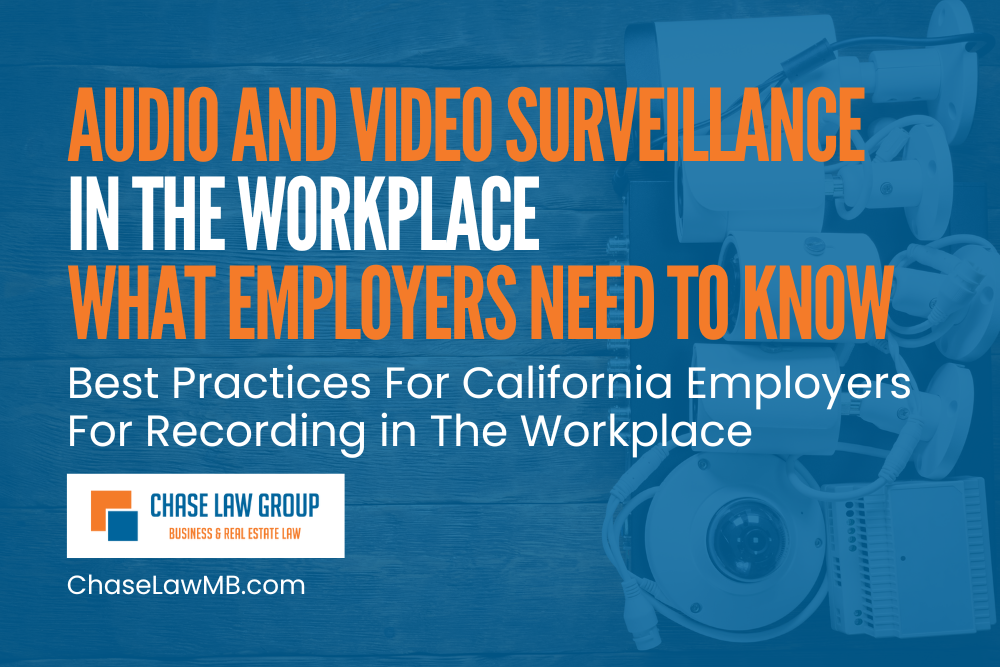
Credit: chaselawmb.com
Public Vs Private Spaces
Video recording laws in California differ depending on the location. Knowing the rules about public and private spaces is important. This helps protect your rights and respect others’ privacy.
Public and private spaces have different privacy expectations. The law treats each space uniquely. Understanding these differences can help avoid legal trouble.
Recording In Public Areas
In public spaces, people have a lower expectation of privacy. Streets, parks, and sidewalks are common public areas. Recording in these places is usually allowed.
California law permits video recording in public if there is no audio recording without consent. Video alone is generally legal. It’s important to avoid capturing private conversations.
Public events like protests or parades can be recorded freely. Still, avoid blocking or disturbing others. Respect public safety and order during recording.
Privacy Expectations Indoors
Private spaces include homes, offices, and restrooms. People expect privacy in these areas. Recording without permission is usually illegal here.
California has strict rules about audio and video recording indoors. Consent from all parties is often required. Secretly recording someone in a private space can lead to penalties.
Businesses may have rules about recording on their premises. Always ask for permission before filming inside private property. Respecting privacy indoors prevents legal issues.
Using Video Evidence Legally
Video evidence can play a key role in many legal cases in California. It helps show what really happened. Using video recordings the right way ensures the evidence holds up in court. Understanding the rules about video evidence protects your rights and supports your case.
Admissibility In Court
Court will accept video evidence only if it follows certain rules. The video must be clear and show real events. It cannot be edited or changed in a way that misleads. The person who recorded it should explain how and when they took the video. The court checks if the video is relevant to the case. Videos that violate privacy laws or were recorded illegally may be rejected.
Protecting Your Rights
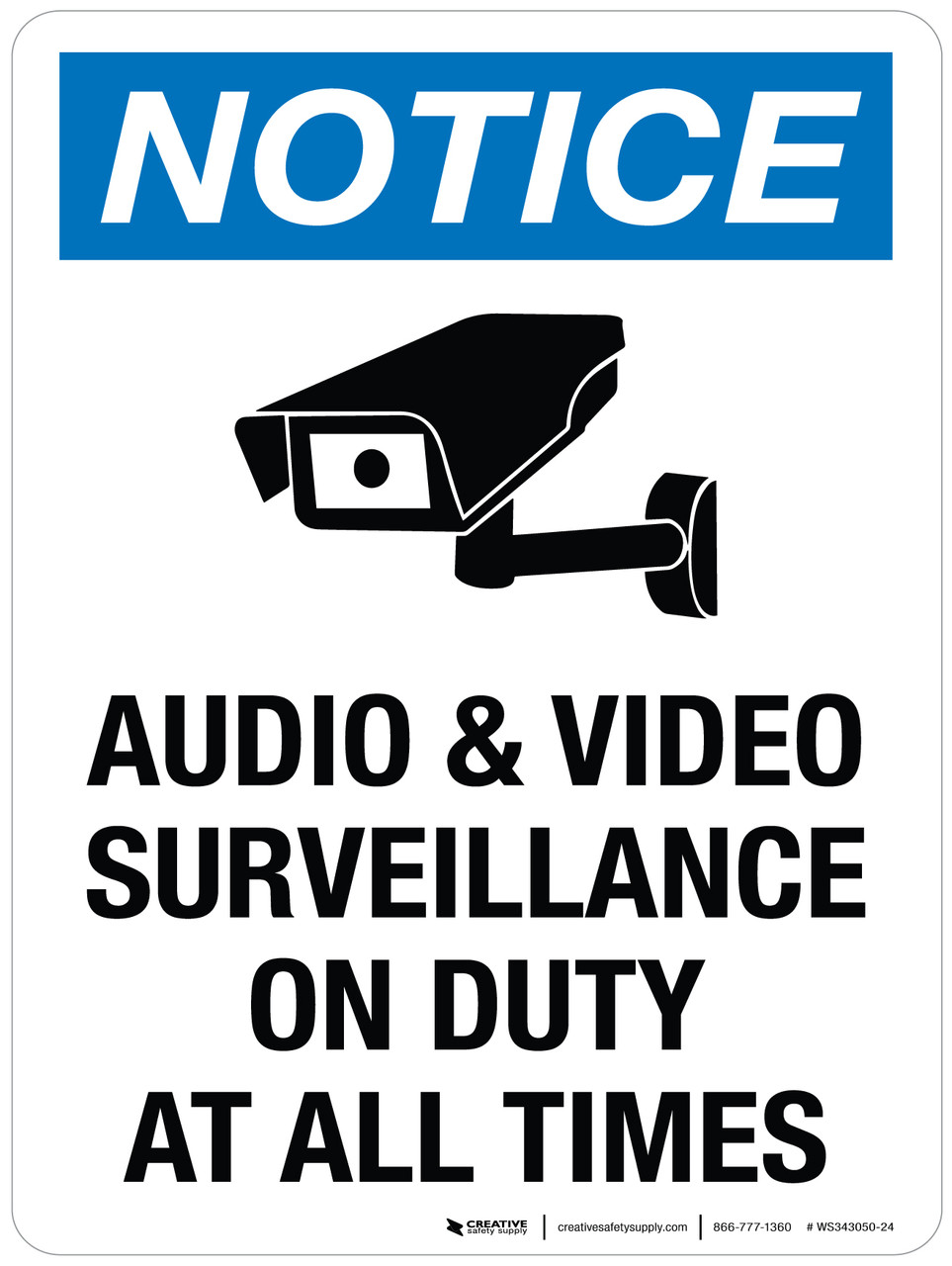
Know your rights before recording any video. California law requires consent from at least one party in most cases. Secretly recording private conversations without permission can cause legal trouble. Public places usually have fewer restrictions on video recording. Always keep the video safe and avoid sharing it widely without permission. Using video evidence properly helps protect your legal position and supports fairness in court.
Credit: www.maisongokan.com
Consequences Of Illegal Recording
Recording videos without permission in California can lead to serious trouble. The state has strict laws to protect privacy. Breaking these laws brings harsh consequences. Understanding these risks helps avoid legal problems.
Criminal Penalties
Illegal video recording is a criminal offense in California. Offenders can face fines and jail time. The law targets secret recordings of private conversations. This includes phone calls and in-person talks. Even recording in public places can be illegal if privacy is expected. Penalties vary based on the offense’s severity. Repeat offenders face harsher punishment. The state takes privacy violations seriously.
Civil Lawsuits And Remedies
Victims of illegal recordings can sue the offender. Civil lawsuits may demand monetary compensation. The law allows victims to seek damages for emotional distress. Courts may also order the offender to stop further recordings. Victims can recover legal costs from the wrongdoer. Civil suits run independently from criminal cases. They offer another way to hold offenders accountable. Protecting privacy rights is a key goal.

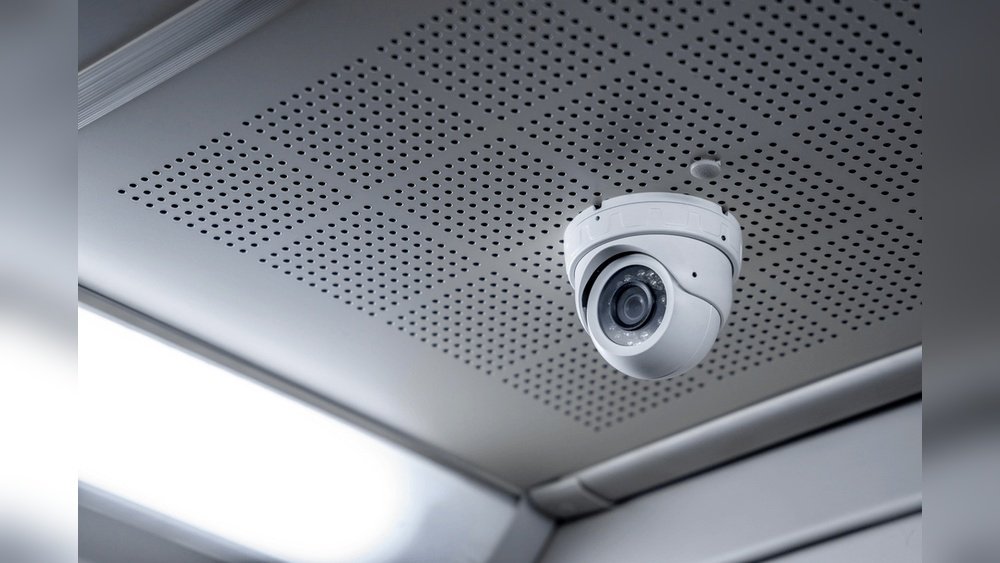
Credit: www.eufy.com
Frequently Asked Questions
Can I Legally Record Video In Public Places In California?
Yes, you can record videos in public places where there is no reasonable expectation of privacy. Recording is allowed as long as it does not violate other laws like harassment.
Do I Need Permission To Record Conversations On Video?
California requires all parties’ consent to record private conversations. Recording without consent can lead to criminal charges and civil penalties.
Are Hidden Cameras Legal For Home Security In California?
Hidden cameras are legal in your own home if they do not record private areas like bathrooms. Consent is important if recording others in shared spaces.
Can Video Recordings Be Used As Evidence In Court?
Yes, video recordings can be used as evidence if legally obtained. Illegal recordings may be excluded or lead to legal trouble for the recorder.
Conclusion
Understanding California’s video recording laws helps protect your rights. Always ask permission before recording in private places. Know that recording public areas usually has fewer restrictions. Respect privacy to avoid legal trouble and fines. Stay informed about updates to these laws.
Clear knowledge keeps you safe and confident. Stay responsible when using video recordings. Your awareness matters in every situation.

Ismail Hossain is the founder of Law Advised. He is an Divorce, Separation, marriage lawyer. Follow him.