What are the Gun Laws in North Carolina: Essential Guide 2026
Are you curious about the gun laws in North Carolina and how they might affect you? Whether you’re a resident, a visitor, or someone thinking about owning a firearm, understanding these laws is essential.
Knowing your rights and responsibilities can protect you from legal trouble and help you stay safe. You’ll get clear, straightforward answers about what’s allowed, what’s not, and what you need to do to stay on the right side of the law.
Keep reading to get the full picture and feel confident about your choices.

Credit: www.usconcealedcarry.com
North Carolina Gun Ownership Rules
North Carolina has specific rules for owning guns. These rules help keep people safe while respecting the right to own firearms. Understanding these rules is important for anyone who wants to buy or carry a gun in the state.
Knowing the basics can prevent legal problems and help you follow the law correctly.
Who Can Own A Gun In North Carolina?
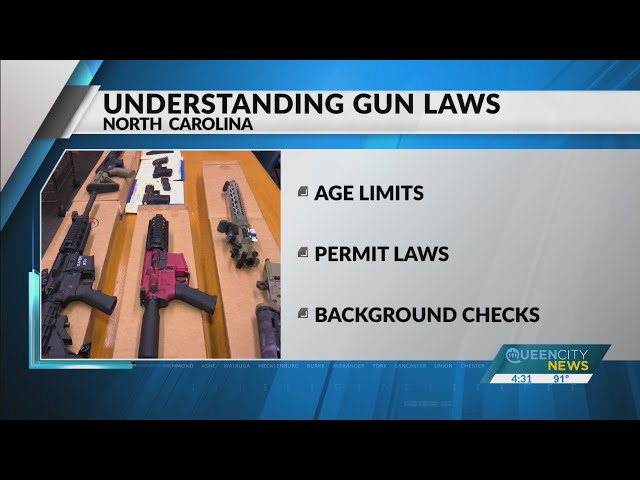
Any person 18 years or older can own a rifle or shotgun. To buy a handgun, the person must be at least 21 years old. Certain people cannot own guns, including those with felony convictions or some mental health conditions.
Background Checks For Gun Purchases
All gun buyers must pass a background check. This check is done through the National Instant Criminal Background Check System (NICS). It ensures buyers do not have a criminal record or disqualifying conditions.
Private Sales And Transfers
Private gun sales do not require a background check. However, selling a gun to someone prohibited from owning one is illegal. Sellers should be cautious and responsible.
Waiting Periods And Permit Requirements
North Carolina does not have a mandatory waiting period for gun purchases. Buying a handgun may require a permit in some cases, especially for concealed carry. Check local laws for specific details.
Safe Storage Laws
The state encourages safe gun storage but does not have strict laws on it. Owners should keep guns locked and away from children. Safe storage reduces accidents and theft.
Permits And Licensing Requirements
North Carolina has specific rules about gun permits and licenses. These rules help keep gun owners and the public safe. Understanding these requirements is important for anyone who wants to carry a firearm legally in the state.
The state requires permits for certain types of gun use. Knowing when and how to get these permits can prevent legal problems. The process involves background checks and training.
Concealed Carry Permits
To carry a concealed handgun, you need a permit in North Carolina. The permit is called a Concealed Handgun Permit (CHP). You must be at least 21 years old to apply.
Applicants need to complete a firearms safety course. The course covers safe handling and legal responsibilities. After training, you apply at your local sheriff’s office.
The sheriff performs a background check. This check looks for any criminal record or mental health issues. If you pass, you receive your permit. The permit allows you to carry a concealed handgun anywhere in the state.
Open Carry Regulations
Open carry of firearms does not require a permit in North Carolina. You can openly carry a handgun or rifle if you are 18 or older. There are some places where open carry is not allowed, such as schools and government buildings.
Even though no permit is needed, carrying openly must be done responsibly. Avoid actions that could cause alarm or panic in public.
Purchasing And Possession Licenses
No state license is required to buy or own a firearm in North Carolina. However, federal laws apply. Buyers must pass a background check when buying from licensed dealers.
Private sales do not require background checks under state law. But, possession of firearms is restricted for certain people. Convicted felons and those with certain restraining orders cannot legally possess guns.
Carrying Firearms In Public
Carrying firearms in public in North Carolina is regulated by specific state laws. These laws control how and where people can carry guns openly or concealed. Understanding these rules helps individuals stay within legal limits.
North Carolina allows both open carry and concealed carry of firearms. Each type has its own requirements and restrictions. People must follow the law carefully to avoid penalties.
Open Carry Rules
Open carry means carrying a gun visible to others. In North Carolina, adults 18 and older may openly carry firearms without a permit. This applies in most public places, but some spots have limits. For example, schools and government buildings ban open carry.
Concealed Carry Permits
Carrying a hidden firearm needs a concealed carry permit. North Carolina issues these permits to residents who meet age and background criteria. The permit lets holders carry guns secretly in public areas. Applying for this permit requires training and a background check.
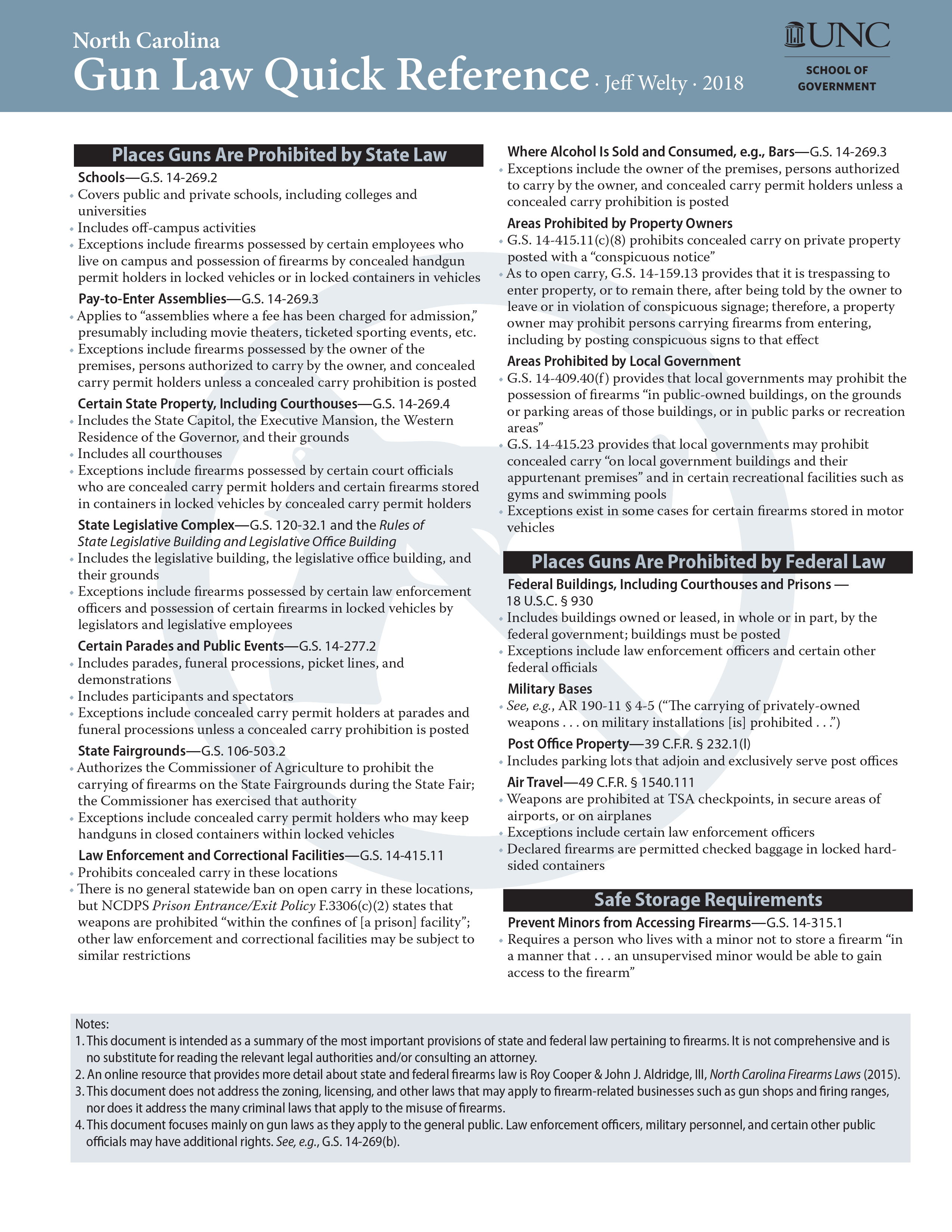
Places Where Carrying Is Prohibited
Certain locations restrict carrying guns, regardless of permit status. These include schools, courthouses, and private property with no-gun signs. Businesses may also ask people to leave if they carry firearms. Knowing these places prevents legal trouble.
Transporting Firearms In Vehicles
People may carry guns in vehicles, but rules apply. Firearms should be out of reach or locked in a container. If carrying a concealed weapon, a permit is required. Following these rules keeps transportation legal and safe.
Credit: www.sog.unc.edu
Restrictions On Firearms And Ammunition
North Carolina has clear rules about firearms and ammunition. These rules help keep people safe. They tell what guns and ammo are allowed and which are not. Knowing these restrictions is important for anyone who owns or wants to own a gun in North Carolina.
These laws cover many areas. They include limits on certain types of guns and ammo. They also describe who cannot have guns. The laws change sometimes, so it is good to stay updated.
Types Of Firearms Restricted
North Carolina bans automatic weapons unless licensed by the state. Short-barreled rifles and shotguns are also limited. Sawed-off shotguns are illegal. Certain large capacity magazines are restricted. These rules aim to limit dangerous weapons on the streets.
Age Restrictions For Firearm Purchase
People must be 18 years or older to buy rifles or shotguns. To buy handguns, the minimum age is 21. Sellers must check ID to confirm age. No sales to minors are allowed under any circumstances.
Prohibited Ammunition Types
Armor-piercing bullets are banned in North Carolina. Explosive or incendiary rounds are illegal. Ammunition must meet state and federal safety standards. Using illegal ammo can lead to serious penalties.
Restrictions On Carrying Firearms
Concealed carry requires a valid permit. Open carry is allowed but with limits in some areas. Firearms are not allowed in schools, government buildings, or private property without permission. Following these rules avoids legal trouble.
Background Checks And Transfers
Background checks and transfers are key parts of North Carolina’s gun laws. They help keep guns out of the hands of people who should not have them. The state has specific rules about when and how background checks must happen.
These rules affect both private sales and sales through licensed dealers. Knowing these laws is important for anyone buying or selling a firearm in North Carolina.
Who Must Undergo Background Checks
All sales by licensed gun dealers require a background check. This ensures the buyer does not have a criminal record or other disqualifications. Private sellers do not always need to perform background checks. But sales at gun shows or online may require them under federal law.
How Background Checks Are Conducted
Licensed dealers use the National Instant Criminal Background Check System (NICS). This system quickly checks if a buyer is allowed to own a gun. The check usually takes minutes. If the buyer fails, the sale cannot proceed.
Gun Transfers Between Private Parties
Private gun sales in North Carolina do not always need a background check. But it is illegal to sell a gun to someone who is not allowed to have one. Sellers must be cautious and responsible. Some sellers use licensed dealers to perform checks during private transfers.
Penalties For Gun Law Violations
Penalties for gun law violations in North Carolina can be severe. The state enforces strict rules to ensure public safety. Breaking these laws leads to fines, jail time, or both. Penalties depend on the violation’s nature and seriousness.
Understanding these penalties helps gun owners stay within the law. This section outlines key punishments linked to common gun law breaches.
Criminal Charges For Illegal Possession
Carrying a firearm without a permit can lead to criminal charges. This offense may be a misdemeanor or felony. Penalties include fines up to several thousand dollars. Jail time can range from months to years.
Penalties For Carrying In Prohibited Places
Bringing a gun into restricted areas is illegal. These places include schools, government buildings, and private property with no-gun signs. Violators face fines and possible jail sentences. Repeat offenses carry harsher penalties.
Consequences Of Illegal Sale Or Transfer
Selling or giving a firearm without following state laws is a crime. This includes sales without background checks. Offenders may be charged with felonies. Penalties include heavy fines and long prison terms.
Penalties For Use Of Firearm In A Crime
Using a gun during another crime increases penalties. This can lead to additional charges and longer sentences. Courts impose stricter punishments to deter violent crimes involving guns.
Credit: www.youtube.com
Frequently Asked Questions
What Are The Basic Gun Ownership Rules In North Carolina?
North Carolina requires gun owners to be at least 18 years old. Background checks are needed for buying guns from dealers. Private sales do not require background checks.
Is A Permit Needed To Carry A Handgun Openly Or Concealed?
Open carry of handguns is legal without a permit in North Carolina. A permit is required to carry a concealed handgun. The permit is called a Concealed Handgun Permit (CHP).
Where Are Guns Not Allowed In North Carolina?
Guns are prohibited in schools, government buildings, and certain private properties. Signs usually indicate where guns are banned. Violating these rules can lead to fines or arrest.
Can Residents Carry Guns In Their Vehicles Without A Permit?
Yes, residents can carry a handgun in a vehicle without a permit. The gun must be in plain sight or securely stored. This law applies only to handguns, not long guns.
Conclusion
North Carolina’s gun laws balance safety and rights carefully. Knowing the rules helps you stay legal and safe. Always check updates, as laws can change over time. Respect for the law keeps communities secure. Stay informed, responsible, and aware of your duties.
Gun ownership requires care and understanding. Remember, following the law protects you and others around you.

Ismail Hossain is the founder of Law Advised. He is an Divorce, Separation, marriage lawyer. Follow him.