Trick Or Treating Laws in Virginia: What Every Parent Must Know
Halloween is one of the most exciting nights for kids and families across Virginia. But before you grab your costume and head out the door, there’s something important you need to know—what are the trick-or-treating laws in Virginia?
You might think Halloween is all about fun and candy, but some cities have rules that could affect when, where, and even who can go trick-or-treating. Knowing these laws can keep you and your family safe, avoid any unwanted trouble, and make sure your Halloween night is full of treats—not tricks.
Ready to find out what you need to know? Keep reading to discover the key trick-or-treating laws in Virginia that could change how you celebrate this spooky holiday.
Trick-or-treating Hours And Curfews
Trick-or-treating hours and curfews in Virginia set the rules for a safe Halloween night. These laws help protect children while they enjoy the spooky fun. Knowing when trick-or-treating starts and ends keeps the tradition smooth and worry-free.
Common Start And End Times
Most places in Virginia allow trick-or-treating to start around 6 PM. The usual end time is between 8 PM and 9 PM. These hours give kids enough time to collect candy before it gets too late. Families often follow these times to stay safe and respectful of neighbors.
Local Variations Across Virginia
Some cities and counties have their own rules for trick-or-treating hours. For example, Virginia Beach may have different hours than Richmond. Rural areas might allow later trick-or-treating than busy towns. Checking local rules helps avoid confusion and keeps Halloween fun for everyone.
Enforcement Of Curfew Laws
Police in Virginia may enforce curfew laws on Halloween night. Older kids out too late might be asked to go home. Some places have age limits for trick-or-treaters. Following curfew laws helps avoid fines or trouble and keeps the night safe for all.

Credit: www.youtube.com
Age Restrictions On Trick-or-treating
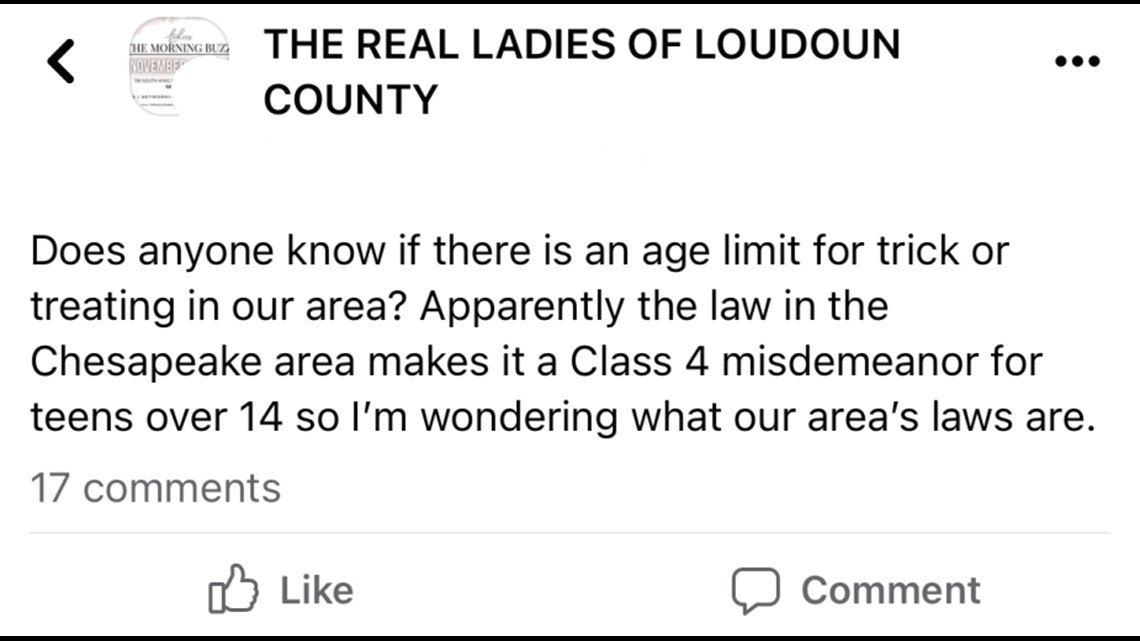
In Virginia, age restrictions on trick-or-treating vary by city and neighborhood. Some places set clear limits on how old children can be to participate. These rules aim to keep Halloween fun and safe for younger kids. Knowing local age rules helps avoid confusion and trouble.
Many communities believe trick-or-treating is mainly for younger children. Older teens may be seen as disrupting the holiday spirit. Local laws reflect these opinions, setting boundaries for who can go door-to-door.
Cities With Age Limits
Several Virginia cities have official age limits for trick-or-treaters. For example, Chesapeake restricts trick-or-treating to children under 12 years old. In some areas, teenagers over 14 are discouraged or banned from participating. These rules often come with a set time frame for when trick-or-treating is allowed.
Legal Consequences For Older Trick-or-treaters
Older kids who ignore age limits may face legal consequences. In some cities, teens caught trick-or-treating past the age limit risk fines or warnings. Some ordinances even allow police to intervene if older teens cause disturbances. These laws help maintain order and protect younger children’s experience.
Community Opinions On Age Rules
Opinions on age restrictions vary within communities. Many residents support limits to keep Halloween safe and enjoyable. Some argue that older teens should be allowed to join in for fun. Others worry about safety and respect for neighbors. These differing views shape how local laws evolve.
Safety Guidelines And Best Practices
Trick-or-treating in Virginia is a fun tradition, but safety must come first. Following clear safety guidelines helps keep kids safe and happy. Parents and guardians play a key role in making sure everyone enjoys the night without risks.
Simple safety steps can prevent accidents and worries. Children should know the rules before heading out. Communities should support safe environments and clear paths for trick-or-treaters.
Parental Supervision Tips
Parents should always accompany young children. Stay close to children and keep them within sight. Use flashlights or glow sticks to increase visibility at night. Teach kids to cross streets at corners and use crosswalks. Set a clear time for trick-or-treating and stick to it. Remind children to only visit well-lit houses.
Safe Neighborhoods And Routes
Choose familiar neighborhoods known for safety. Stick to main roads and avoid shortcuts through alleys or dark areas. Plan a route ahead and share it with other adults. Look for neighborhoods with sidewalks and good street lighting. Avoid busy streets without pedestrian crossings. Trust your instincts; if a route feels unsafe, change it.
Candy Inspection And Health Precautions
Inspect all candy before letting children eat it. Discard any unwrapped or suspicious treats. Wash hands before and after handling candy. Consider allergy-safe treats for children with allergies. Avoid homemade treats from strangers. Teach kids not to eat candy while walking to avoid choking hazards.
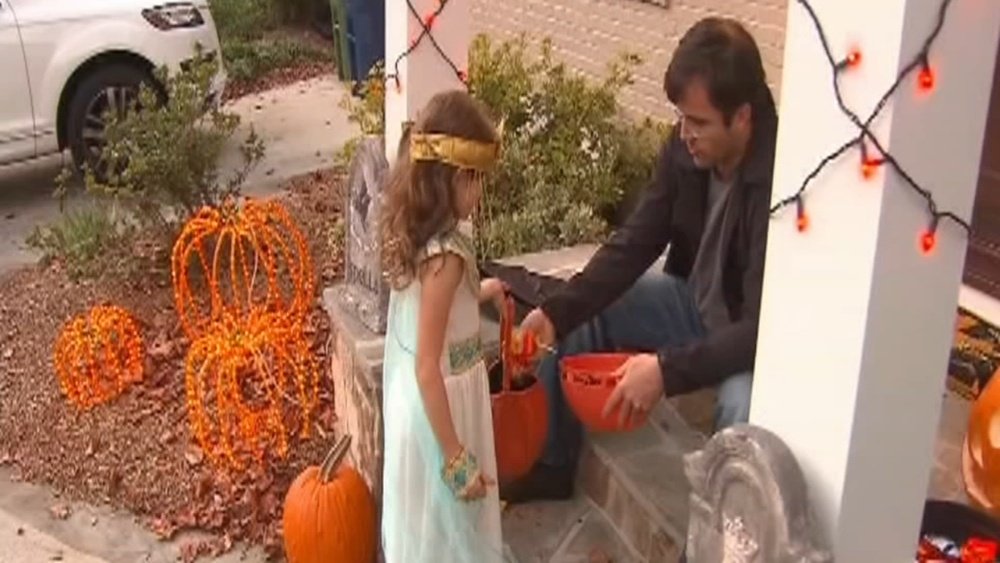
Credit: www.wusa9.com
Local Ordinances And Legal Exceptions
Local ordinances and legal exceptions shape how trick-or-treating happens in Virginia. Cities and counties set their own rules. These rules affect when and where kids can safely enjoy Halloween. Knowing these local laws helps families follow guidelines and stay out of trouble. Understanding exceptions is important too. Special events may change normal rules temporarily. Respecting these laws keeps Halloween fun for everyone.
How To Check Your City’s Rules
Start by visiting your city or county’s official website. Many local governments post Halloween rules online. Look for sections about curfews, age limits, and safety tips. You can also call local police or community centers for details. Checking early avoids surprises on Halloween night. Each city may have different start and end times for trick-or-treating. Knowing your area’s rules helps plan a safe outing for kids.
Exceptions For Special Events
Some towns host special Halloween events with unique rules. These may allow trick-or-treating outside normal hours. Events in parks or community centers often have their own guidelines. Special permits may be issued for organized parties or parades. These exceptions aim to increase safety and fun. Families should watch for announcements from local officials. Following event-specific rules ensures a smooth, enjoyable experience.
Impact Of Violating Trick-or-treat Laws
Breaking trick-or-treat laws can lead to fines or warnings. Some cities have strict curfews and age limits. Older teens asking for candy may face penalties. Police may also stop trick-or-treating if safety rules are ignored. Violations can spoil the fun and cause problems for everyone. Respecting laws protects children and neighbors alike. Following rules helps keep Halloween safe and friendly for all.
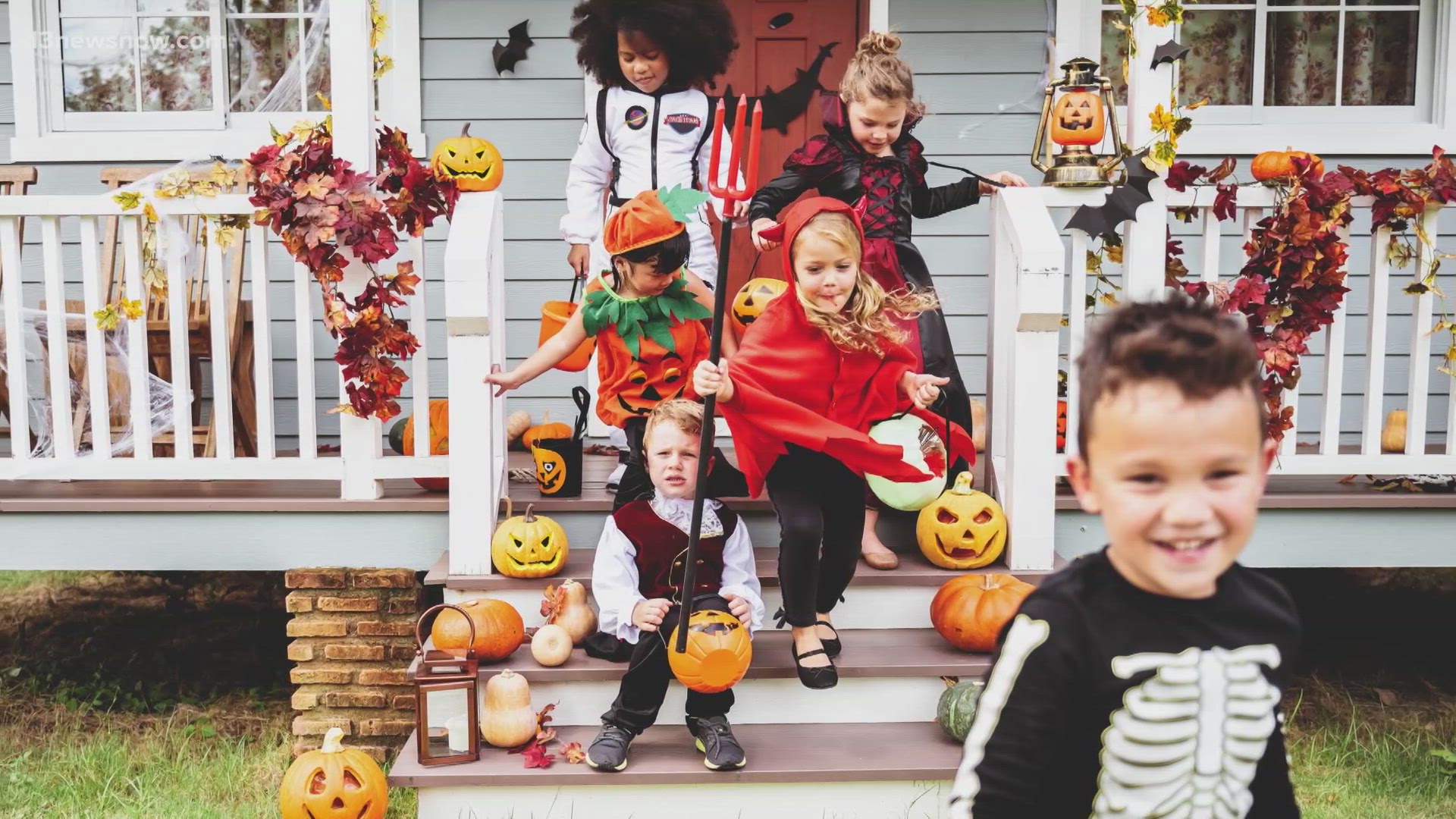
Credit: www.13newsnow.com
Frequently Asked Questions
What Time Do Kids Start Trick-or-treating In Virginia?
Kids in Virginia usually start trick-or-treating around 6 p. m. Local curfews and neighborhood rules may vary. Check your city’s official website for exact times.
What Time Can I Stop Handing Out Candy On Halloween?
Stop handing out candy by 9 or 10 PM to respect local curfews and ensure safety during Halloween festivities.
What Are The New Laws In Virginia Starting July 1st, 2026?
Starting July 1, 2026, Virginia enforces stricter curfews and age limits for trick-or-treating to improve safety. Check local laws for details.
Can I Still Trick-or-treat At 15?
Yes, 15-year-olds can trick-or-treat, but some Virginia cities may have age restrictions or curfews. Check local laws first.
Conclusion
Trick-or-treating in Virginia follows specific laws and rules. Different cities set their own age limits and curfew times. Always check local rules before heading out. Staying safe and respectful makes Halloween fun for everyone. Enjoy the holiday while respecting your community’s guidelines.

Ismail Hossain is the founder of Law Advised. He is an Divorce, Separation, marriage lawyer. Follow him.