New Landlord-Tenant Laws in Virginia: What You Must Know Now
If you’re renting or managing property in Virginia, the recent changes to landlord-tenant laws could directly affect you. These new rules are designed to protect tenants from unfair fees, give more rights to those facing eviction, and require landlords to be clearer about rent payments.
Whether you’re a tenant wanting to know your rights or a landlord aiming to stay compliant, understanding these updates is crucial. Keep reading to find out exactly what’s changed and how it impacts your rental experience in Virginia.
Credit: www.lawline.com
Key Legal Changes
Virginia’s new landlord-tenant laws improve tenant protections and clarify landlord duties. Changes include clearer rules on eviction, rent payments, and lease terms. These updates aim to create fairer rental agreements and support tenants facing housing challenges.
Expanded Crime Victim Protections
New laws let victims of stalking and trafficking end leases early. Previously, only domestic abuse and sexual violence victims had this right. This change helps more tenants escape unsafe situations quickly.
Receipts For Cash Payments
Landlords must now give written receipts for cash or money order payments. This rule covers rent and security deposits. It protects tenants by providing proof of payment.
Lease Non-renewal Notice Requirements
Landlords must provide clearer notice before ending a lease. Tenants get more time to prepare for moving out. This helps reduce sudden evictions and housing instability.
Limits On “junk Fees”
New rules require transparency about extra fees landlords charge. Tenants must know all costs before signing a lease. This prevents surprise charges and unfair fees.

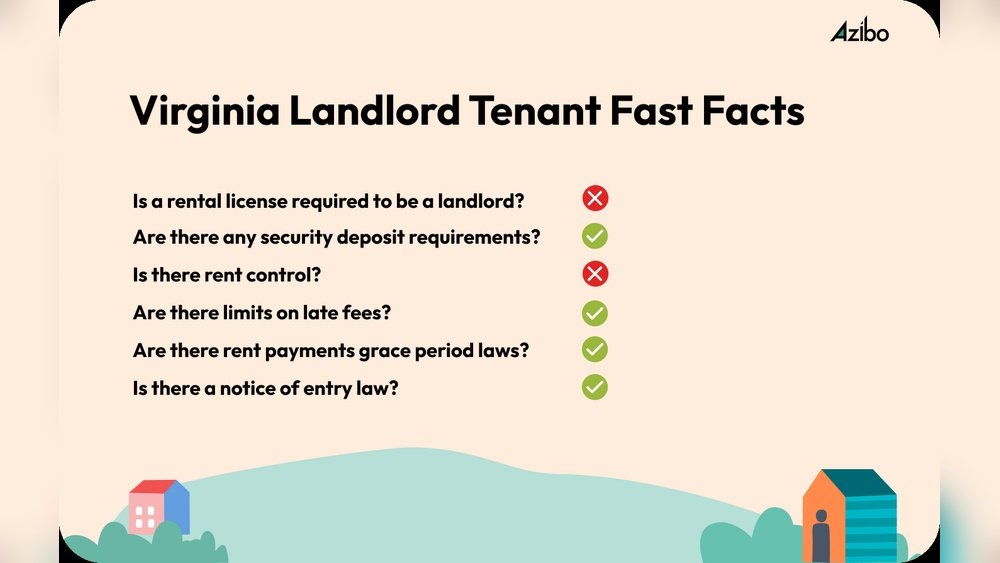
Credit: innago.com
Tenant Protections Expanded
Virginia has expanded tenant protections under new landlord-tenant laws. These changes offer stronger rights and more options for renters. Tenants now have more safeguards, especially in difficult and unsafe situations. Understanding these updates can help tenants feel more secure in their homes.
Crime Victim Rights
Victims of crime now receive broader protections under Virginia law. Lease early termination rights cover stalking and human trafficking victims. Earlier laws protected only domestic abuse and sexual violence survivors. Tenants affected by these crimes can end leases without penalty. This change helps tenants escape dangerous living situations quickly.
Lease Termination Options
New laws give tenants more flexibility to end leases early. Tenants experiencing specific hardships can now break leases legally. This includes crime victims and others facing serious issues at home. Landlords must accept early termination without charging extra fees. These options reduce stress and financial burden on tenants in crisis.
Landlord Responsibilities
Virginia’s new landlord-tenant laws set clear duties for landlords. These rules protect tenants and ensure fair rental practices. Landlords must follow specific steps to meet their legal responsibilities. Understanding these duties helps landlords avoid disputes and fines.
Payment Receipts
Landlords must give written receipts for cash or money order payments. This includes rent and security deposits paid in these forms. Receipts must show the amount paid and the date. This protects tenants by providing proof of payment. It also helps landlords keep accurate records. Electronic or paper receipts are both acceptable.
Disclosure Requirements
Landlords must share important information before renting out a property. This includes details about lead paint hazards if the building was built before 1978. Landlords must also disclose known mold problems or pest infestations. They must inform tenants about the building’s safety features like smoke detectors. These disclosures help tenants make informed decisions. They also promote safe and healthy living conditions.

Credit: www.doorloop.com
Eviction And Dispute Resources
The new landlord-tenant laws in Virginia include important resources for eviction and dispute issues. These resources help tenants and landlords understand their rights and avoid unnecessary conflicts. Knowing where to get support can make a big difference in tough situations.
Eviction Prevention
Virginia offers programs to prevent evictions before they happen. These programs provide financial help for rent and utilities. Tenants can also get advice on managing payment plans with landlords. Early intervention often stops eviction cases from reaching court. It saves money and stress for both tenants and landlords.
Legal Assistance
Free or low-cost legal help is available for tenants facing eviction or disputes. The Virginia Poverty Law Center is a key organization offering support. They explain tenant rights and provide legal advice. Some local legal aid groups also assist low-income tenants. Access to legal help ensures fair treatment and protects tenant rights.
Frequently Asked Questions
What Are The New Laws In Virginia Starting July 1st, 2026?
Starting July 1, 2026, Virginia enforces new landlord-tenant laws. Key changes include expanded eviction protections, mandatory receipts for cash rent payments, and enhanced rights for crime victims to terminate leases early. These laws aim to protect tenants and clarify rental agreement obligations statewide.
What Can Landlords Not Do In Virginia?
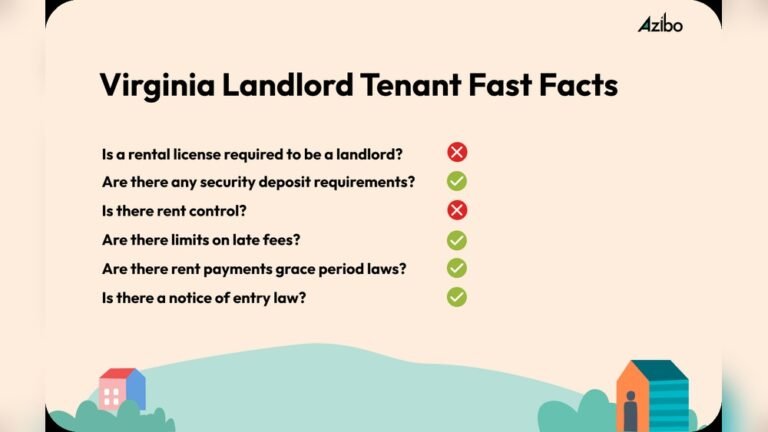
Landlords in Virginia cannot illegally evict tenants, enter without notice, charge undisclosed fees, or refuse receipts for cash payments. They must follow eviction laws and respect tenant protections under state law.
What Does A Landlord Have To Do Before A New Tenant Moves In?
A landlord must inspect the property, ensure it’s clean and safe, provide a signed lease, and collect the security deposit before move-in.
What Does The Virginia Residential Landlord Tenant Act Now Apply To?
The Virginia Residential Landlord Tenant Act now applies to lease agreements, rent payments, eviction procedures, tenant protections, and landlord obligations statewide.
Conclusion
Virginia’s new landlord-tenant laws bring important changes for both parties. Tenants gain clearer rights and added protections. Landlords have new duties to follow and rules to respect. Staying informed helps avoid conflicts and legal issues. Review official resources for up-to-date details on these laws.
Understanding these updates supports fair and smooth rental experiences. Keep an eye on any future changes in Virginia housing laws. Being prepared benefits everyone in the rental community.

Ismail Hossain is the founder of Law Advised. He is an Divorce, Separation, marriage lawyer. Follow him.