Short Term Capital Gains Explained A Step-by-Step Guide 2026
Short-term capital gains are profits earned from selling an asset held for one year or less. Unlike long-term investments, these gains are taxed at ordinary income tax rates, which are typically much higher. Understanding the exact holding period threshold is essential for calculating your actual tax liability.
Short-term capital gains are the profits you make from selling an asset, like stocks, crypto, or real estate, that you have owned for one year or less. Unlike long-term gains which enjoy preferential tax treatment, the IRS taxes short-term gains at your ordinary income tax rate, which can reach up to 37 percent for high earners in 2026.
Understanding how these profits are classified and taxed is essential for protecting your investment returns. If you trade frequently or flip assets, failing to account for these heavy short-term taxes can leave you with a surprisingly large bill when tax season arrives.
Key Takeaways
- Assets held for one year or less trigger short-term capital gains tax rates.
- Short-term gains are taxed at your standard ordinary income tax bracket.
- Subtract your purchase price from your sale price to find your gross profit.
- Hold assets for over a year to qualify for lower long-term tax rates.
- Net your capital losses against your gains to reduce overall tax liability.
What Causes Short-Term Capital Gains and How the Holding Period Works
The One-Year Rule Explained
The holding period is the exact amount of time you own an asset before selling it. Under 2026 tax regulations, the clock starts ticking the day after you acquire the asset and stops the day you dispose of it. If that total duration is 365 days or fewer, any profit you realize is officially classified as a short-term capital gain.
- Acquisition date: Day 0 (the day after purchase)
- Threshold: Exactly one year or 365 days
- Consequence of selling on day 365: Taxed as ordinary income
- Consequence of selling on day 366: Qualifies for lower long-term capital gains rates
Ordinary Income Tax Rates Applied
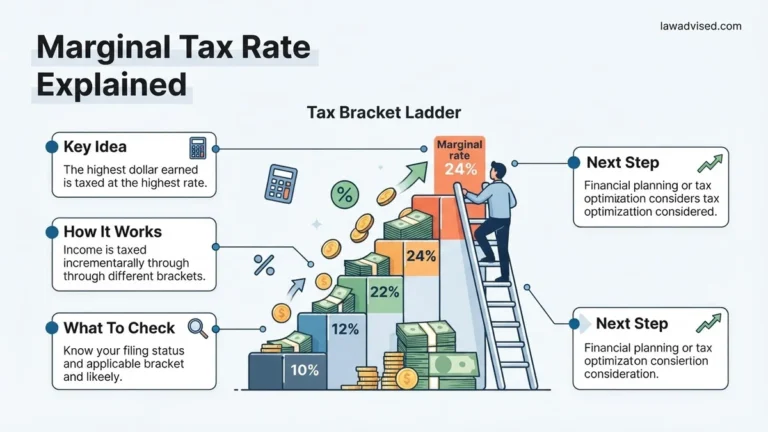
Because short-term gains are added directly to your regular earnings, they are taxed according to your marginal tax bracket. For the 2026 tax year, federal income brackets range from 10 percent up to 37 percent depending on your total taxable income and filing status. This means your profits from short-term trading are subjected to the exact same tax rates as your W-2 salary or freelance income.
How to Calculate Short-Term Capital Gains and Tax Liability Step-by-Step
Calculating Your Net Profit
Calculating your short-term capital gain requires simple math, but you must track your numbers accurately. You take your total proceeds from the sale and subtract your cost basis, which is what you originally paid plus any direct purchase fees.
- Gross Proceeds: The total amount you received from selling the asset.
- Cost Basis: Your original purchase price plus broker commissions or transaction fees.
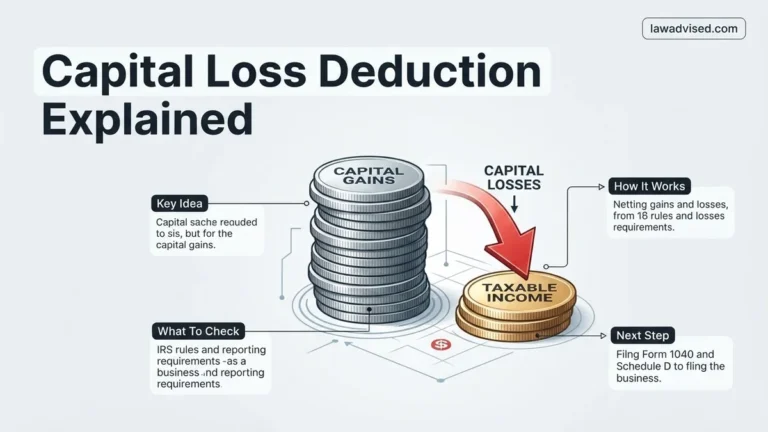
- Capital Loss Deductions: Short-term losses can offset your short-term gains dollar-for-dollar.
A Practical Calculation Example
Imagine you bought 100 shares of a tech stock for 5,000 dollars in February 2026 and sold them all in October 2026 for 8,000 dollars. Because you held the stock for less than eight months, your profit is a short-term capital gain.
- Start with your sale price of 8,000 dollars.
- Subtract your original cost basis of 5,000 dollars to get a gross profit of 3,000 dollars.
- Assume your total taxable income puts you in the 24 percent federal income tax bracket for 2026.
- Multiply your 3,000 dollar gain by 0.24 to find your federal tax liability of 720 dollars.
What If Your Short-Term Gains Push You Into a Higher Tax Bracket
Tax brackets in the United States are progressive. Earning a massive short-term capital gain on top of your ordinary income can inadvertently push your total taxable income into a higher marginal tax bracket for 2026. However, your entire income is not taxed at that higher rate; only the portion that crosses the threshold is subject to the increased percentage.
Understanding Marginal Rate Shifting
Many investors panic, believing that a single large asset sale jacks up the tax rate on every dollar they earned that year. Tax experts at the IRS clarify that marginal brackets apply only to incremental income chunks. If a short-term gain crosses a bracket boundary, only the excess amount is taxed at the elevated 2026 rate.
Calculating Your Total Taxable Exposure
To accurately gauge your exposure before the tax year closes, follow these analytical steps:
- Sum your projected annual salary, business revenue, and any other ordinary income sources for 2026.
- Add your realized and expected short-term capital gains to that baseline figure.
- Subtract your applicable standard deduction or projected itemized deductions to find your estimated taxable income.
- Cross-reference that final number against the official 2026 IRS marginal tax brackets to identify your peak bracket.
What If It Still Doesn’t Work?
If your end-of-year tax planning strategies fail to adequately reduce your short-term capital gains liability, immediate corrective action is required. When standard loss-harvesting and deduction-bunching techniques prove insufficient for your 2026 tax situation, consider these fallback measures:
- Consult a certified public accountant (CPA) or a certified financial planner (CFP) to review your portfolio structure. Professional advisory fees typically range from $200 to $500 per hour, or $1,000 to $2,500 for comprehensive annual tax planning.
- Request an IRS installment agreement if you cannot pay your short-term capital gains tax bill in full by the April 2027 filing deadline. Setup fees range from $31 for direct debit online applications up to $130 for standard setups.
- Evaluate whether you qualify for currently not collectible (CNC) status if experiencing severe financial hardship.
- Review your estimated tax payment schedule to ensure you avoid underpayment penalties for the current quarter.
Conclusion
Short-term capital gains are taxed at ordinary income rates, which can significantly reduce your net profits if left unmanaged. By understanding your tax bracket limits and strategically offsetting gains with losses, you can keep your overall liability to a minimum. According to verified research and expert sources from leading financial institutions, proactive tax-loss harvesting remains the most effective tool for managing short-term investment liabilities. Your next actionable step is to log into your brokerage account today, review your year-to-date realized trades, and calculate your net capital position before the calendar turns.
❓ Frequently Asked Questions
What exact date starts the holding period for short-term capital gains?
The holding period begins on the day after you acquire the asset and ends on the day you dispose of it. The day of sale counts toward your ownership timeline.
Do cryptocurrency and digital assets qualify for short-term capital gains?
Yes, the IRS treats cryptocurrency and digital assets as property. Selling crypto held for one year or less results in a short-term capital gain taxed as ordinary income.
How can investors minimize short-term capital gains taxes?
Investors can minimize these taxes by utilizing tax-advantaged accounts like IRAs or 401ks, holding assets for over a year, or practicing tax-loss harvesting.
What happens if my total capital losses exceed my capital gains?
If your losses exceed your gains, you can deduct up to $3,000 of excess losses against your ordinary income per year, and carry forward any remaining losses to future years.
Are state taxes applied to short-term capital gains?
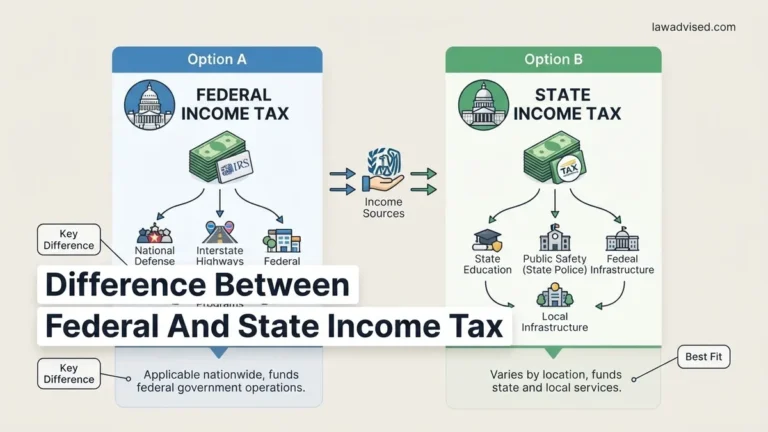
Most U.S. states tax short-term capital gains at the same rate as ordinary wage income, though tax rates vary significantly depending on where you reside.
Does reinvesting dividends trigger short-term capital gains?
Reinvesting dividends does not trigger a capital gain immediately, but it establishes a new cost basis and holding period for each newly purchased share.

Ismail Hossain is the founder of Law Advised. He is an Divorce, Separation, marriage lawyer. Follow him.