Eviction Laws in Texas With No Lease: What You Must Know Today
If you’re dealing with someone living in your Texas property without a lease, you might feel stuck and unsure of what steps to take next. Whether it’s a friend who overstayed their welcome or a tenant who never signed a formal agreement, understanding eviction laws in Texas with no lease is crucial.
You need clear, simple information to protect your rights and get the situation resolved quickly and legally. You’ll discover exactly what you must do to evict someone without a lease in Texas—and how to avoid common pitfalls that could delay the process.
Keep reading to take control and make sure your property is in the hands you want.
Eviction Basics Without A Lease
Evicting a tenant in Texas without a lease can seem complex. Without a written agreement, the process depends on the type of tenant and their legal standing. Understanding the basics helps landlords and tenants know their rights and responsibilities.
Types Of Tenants Without Leases
In Texas, tenants without leases often fall into three groups. First, there are month-to-month tenants who pay rent regularly but have no formal contract. Second, there are guests who stay temporarily but may overstay. Third, family members or friends living in the property without payment or agreement.
Each group has different rights and expectations. Month-to-month tenants usually have more protections than guests. Family members may be harder to evict legally. Knowing the tenant type helps decide the eviction steps.
Legal Status In Texas
Texas law treats tenants without leases as occupants with implied agreements. This means landlords cannot remove them without notice. A landlord must give a written notice to vacate, usually 30 days. After the notice, if the tenant stays, the landlord must file for eviction in court.
The court process protects tenant rights even without a lease. Landlords cannot use force or change locks without following legal steps. Understanding the legal status ensures eviction happens lawfully and avoids penalties.
Notice Requirements
In Texas, eviction without a lease still requires landlords to follow specific notice rules. These rules protect tenants and ensure landlords act fairly. Notice requirements tell tenants they must leave the property. The notice must be clear, written, and given in the right way and time. Understanding these steps helps landlords avoid legal problems.
Written Notice To Vacate
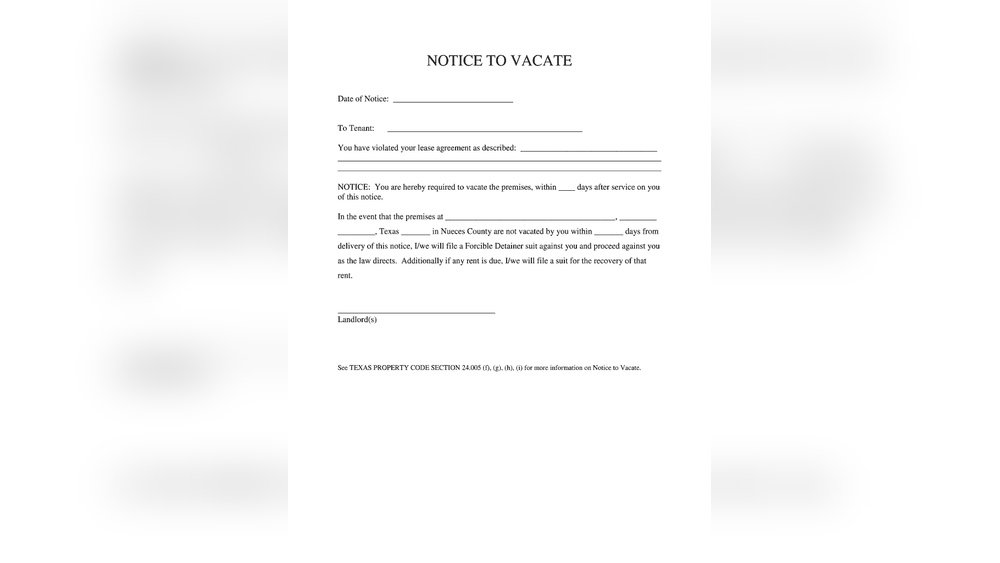
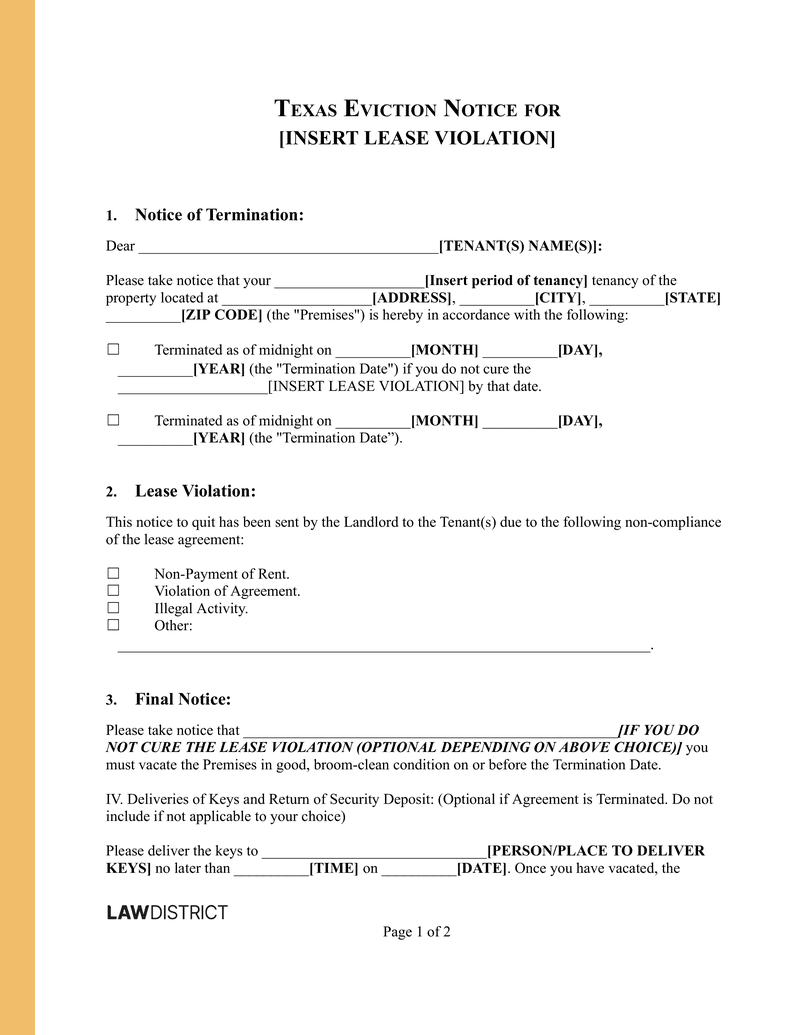
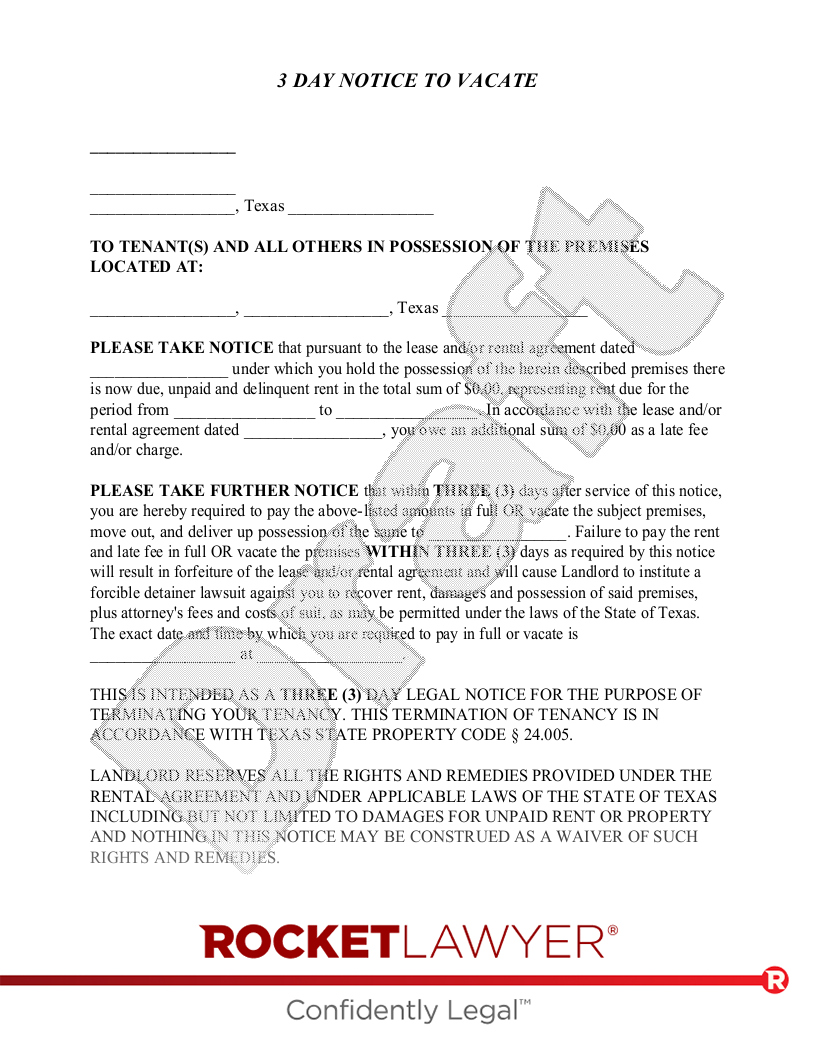
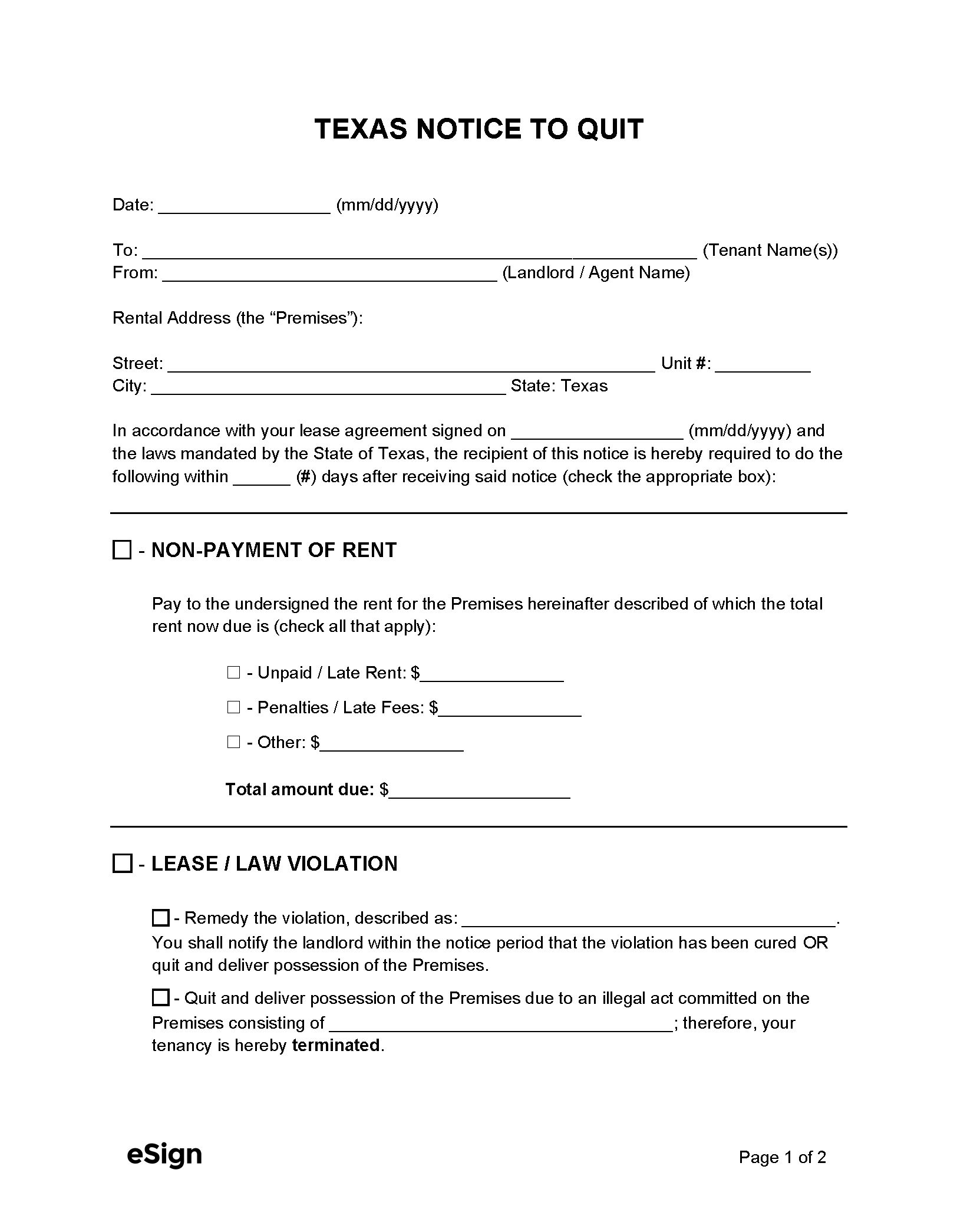
Landlords must give tenants a written notice to vacate the property. This notice states the landlord wants the tenant to leave. It must include the reason for eviction or simply ask for possession if no lease exists. The notice must be clear and easy to understand. Verbal notices do not count under Texas law. A written notice creates a legal record of the eviction process.
Timing And Delivery Methods
Texas law requires landlords to give tenants at least three days to move out. The three days start the day after the tenant receives the notice. Weekends and holidays count as part of these days. The landlord can deliver the notice in person, by mail, or by posting it on the property. Delivery must ensure the tenant actually receives the notice. Proper timing and delivery help avoid delays in eviction.
Filing An Eviction Suit
Filing an eviction suit in Texas without a lease requires clear steps. Landlords must follow the law to regain possession of their property. Understanding when to file and what documents to prepare helps the process go smoothly. This section explains these key parts.
When To File In Court
File an eviction suit only after giving proper notice to the tenant. Texas law requires a written notice to vacate before court action. The notice period depends on the reason for eviction. For no lease situations, a three-day notice to vacate is common. Do not file too early or too late. Courts may dismiss cases filed without proper notice.
Required Documentation
Prepare all necessary documents before filing the suit. The eviction petition must state the reason for eviction clearly. Include a copy of the notice to vacate given to the tenant. Provide proof of service showing the tenant received the notice. Attach any other evidence supporting your case, like payment records. Accurate paperwork speeds up the court process.
Credit: www.lawdistrict.com
Tenant Defenses And Rights
Tenants without a lease in Texas still have important rights and ways to defend themselves during an eviction. The law protects tenants from unfair treatment. Knowing these rights can help tenants respond correctly to eviction notices. It also ensures landlords follow the proper legal steps. Tenants must understand the defenses available to them in court. This knowledge can make the eviction process fairer and less stressful.
Common Tenant Arguments
Tenants often claim the landlord did not give proper notice. Texas law requires a written notice to vacate. Tenants may argue the landlord failed to follow this rule. Another common defense is that the eviction is retaliatory. For example, the landlord evicts because the tenant complained about repairs. Tenants can also say the landlord accepted rent after the notice to vacate. This may cancel the eviction process. These arguments can delay or stop an eviction.
Protection Against Illegal Evictions
Texas law forbids landlords from removing tenants without a court order. Landlords cannot change locks or shut off utilities to force tenants out. Tenants facing these illegal actions can seek help from the courts. They may get damages or an order to stop the eviction. The law protects tenants living without a lease as much as those with one. Tenants should document any illegal eviction attempts. This evidence helps if they go to court.
Enforcing Eviction Orders
Enforcing eviction orders in Texas requires careful adherence to legal steps. After a court grants an eviction, landlords cannot remove tenants themselves. The law provides a clear process to follow. Understanding this process helps landlords avoid legal trouble and ensures tenants’ rights are respected.
Writ Of Possession
The writ of possession is a legal document issued by the court. It authorizes the landlord to regain possession of the property. This writ is necessary after winning an eviction lawsuit. Without it, the landlord cannot lawfully remove the tenant.
The writ allows law enforcement to intervene if the tenant refuses to leave. It usually gives the tenant a short time to move out. If the tenant stays past this period, eviction can be enforced.
Role Of Law Enforcement
Law enforcement officers carry out the eviction once they receive the writ of possession. They ensure the eviction happens peacefully and legally. Officers may supervise the tenant’s exit and secure the property afterward.
Landlords must not attempt to evict tenants without police involvement. Doing so can lead to legal penalties. Police presence protects both parties during the eviction process.
Credit: www.rocketlawyer.com
Credit: esign.com
Frequently Asked Questions
How To Kick Someone Out If They Don’t Have A Lease?
To remove someone without a lease in Texas, provide a written notice to vacate. Follow legal eviction procedures if they refuse to leave.
How To Evict A Tenant With No Tenancy Agreement?
To evict a tenant with no tenancy agreement in Texas, provide a written notice to vacate. Then, file for eviction in court if they do not leave. Follow all legal procedures to avoid delays or penalties.
How To Evict Someone In Texas Immediately In Texas?
To evict someone immediately in Texas, serve a written notice to vacate, typically three days. Then, file an eviction lawsuit if they don’t leave. Immediate eviction without notice is not allowed by law. Follow legal steps to avoid penalties and ensure proper eviction.
Can I Kick Someone Out Of My House Without Notice In Texas?
You cannot legally kick someone out without notice in Texas. Provide a written notice to vacate, usually three days. Then follow formal eviction procedures.
Conclusion
Eviction laws in Texas without a lease still protect both landlords and tenants. Written notice to vacate is required before starting eviction. The process must follow Texas legal steps carefully. Landlords cannot forcibly remove tenants without court approval. Understanding these rules helps avoid costly mistakes.
Clear communication and proper legal action matter most. Knowing your rights and duties makes eviction smoother. Stay informed to handle no-lease situations fairly and legally.

Ismail Hossain is the founder of Law Advised. He is an Divorce, Separation, marriage lawyer. Follow him.