What are the Homeschooling Laws in Texas: Essential Guide for Parents
Are you thinking about homeschooling your child in Texas but unsure about the rules? Knowing the homeschooling laws in Texas is key to starting your journey smoothly and confidently.
Unlike many states, Texas offers a simple and flexible approach, but there are still important requirements you need to follow to keep everything legal. You’ll discover exactly what those laws are, what counts as a proper curriculum, and how to make sure your homeschooling is recognized by the state.
Keep reading to get clear answers and take the first step toward creating the best learning experience for your child.

Credit: noveleducationgroup.com
Legal Status Of Homeschooling In Texas
Homeschooling in Texas holds a clear legal status as a recognized form of private education. Parents have the right to educate their children at home without needing to register with the state. Texas law treats homeschools like private schools, offering families great freedom.
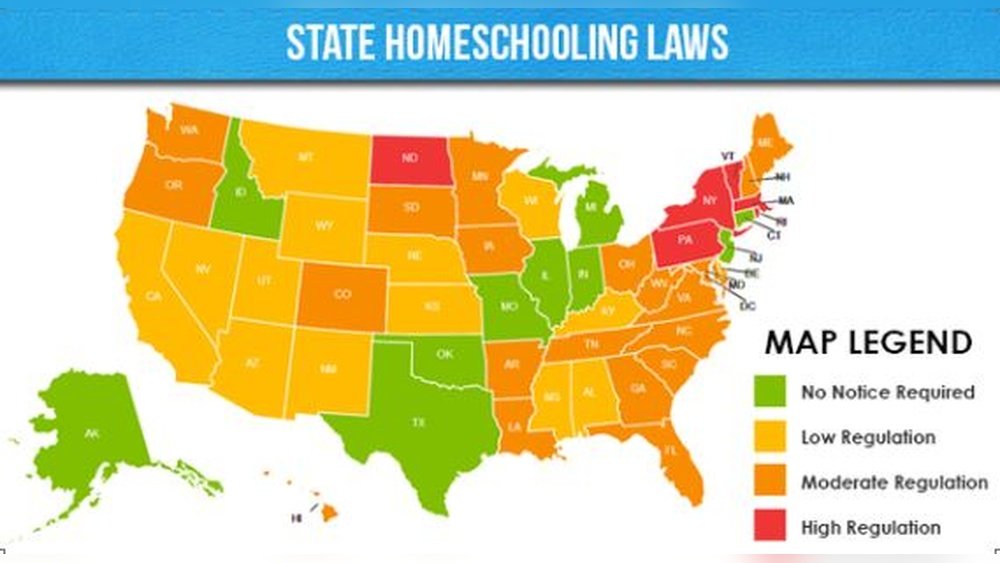
The state does not require parents to notify school districts or the Texas Education Agency about homeschooling. There are no mandated hours or days for instruction. Texas law focuses mainly on the quality and authenticity of education.
Legal Recognition Of Homeschools
Texas law acknowledges homeschooling as a valid educational choice. Homeschools are considered private schools under state law. This means homeschool families follow fewer rules than public schools.
Parents must provide instruction that is bona fide, meaning genuine and not a sham. This protects the child’s right to a real education while respecting parental control.
The curriculum must be in a visual format. This includes books, workbooks, or online programs with videos. Oral instruction alone does not meet the requirement.
Parents can choose any curriculum that fits their child’s needs. Texas law does not specify subjects or hours, but the curriculum must cover basic educational topics.
Compulsory Attendance And Reporting
Homeschoolers in Texas are exempt from compulsory attendance laws that apply to public schools. Parents do not need to file attendance records or educational plans with the state.
There is no requirement for testing or evaluation by the state. Parents have full responsibility for their child’s education and progress.
Credit: www.powerhomeschool.org
Curriculum Requirements
Texas homeschooling laws require parents to use a written curriculum. This curriculum must cover basic subjects and be genuine. The law calls this “bona fide instruction.”
Parents have flexibility in how they teach. No daily hours or specific schedules are required. The main rule is that the curriculum must be in a visual format.
Visual Curriculum Format
The curriculum must be in a visual form. This means parents use books, workbooks, or online programs. Videos and other visual aids are allowed too.
The goal is to provide clear, structured learning materials. This helps show that instruction is real and effective. Simply telling or unschooling without materials may not meet the law.
Core Subjects To Cover
The Texas law does not list exact subjects. But basic subjects should be included. Reading, spelling, grammar, math, and good citizenship are common choices.
Parents can add science, history, and other topics. The curriculum should be balanced and genuine. It must show real learning in these essential areas.
Attendance And Instruction Rules
Understanding the attendance and instruction rules is key for homeschooling in Texas. The state treats homeschoolers as private schools. This means parents must follow certain guidelines to keep homeschooling legal.
Texas law does not set strict hours or days for homeschooling. Instead, it focuses on ensuring the instruction is genuine. Parents have freedom in how they organize their homeschooling day.
Bona Fide Instruction
The instruction must be bona fide, meaning real and sincere. It cannot be just for show or a way to avoid school laws. Parents must teach basic subjects like reading, spelling, math, and good citizenship.
The curriculum must be in a visual form. This includes books, workbooks, or online programs. This rule helps prove the teaching is taking place. Parents should keep records to show the curriculum and progress.
Daily Schedule Flexibility
Texas does not require a fixed daily schedule for homeschooling. Parents can choose when and how long to teach each day. This flexibility lets families fit learning around their lifestyle.
There is no minimum number of hours or days. The focus remains on providing a genuine education. Parents can adjust the schedule to meet their child’s needs and interests.
Withdrawing Your Child From Public School
Withdrawing your child from public school is the first step to start homeschooling in Texas. This process involves notifying the school and following specific rules. It ensures a smooth transition from public education to homeschooling. Parents must complete this step carefully to avoid any legal issues.
Step-by-step Withdrawal Process
Begin by writing a formal letter to the school principal. State your intent to withdraw your child for homeschooling. Include your child’s full name, grade, and date of withdrawal. Submit this letter to the school office in person or by mail.
Keep a copy of the withdrawal letter for your records. The school may provide a withdrawal form to complete. Complete all required paperwork promptly. Confirm the school has processed your withdrawal request. This step officially ends your child’s enrollment in public school.
Important Notifications
After withdrawal, notify your local school district about your homeschooling plan. Texas law requires you to use a bona fide curriculum. This means your teaching must be genuine and cover basic subjects. You do not need to register with the state or submit lesson plans.
Keep records of your curriculum and attendance. These may be needed if questioned by authorities. Inform any other involved parties, like extracurricular programs, about the withdrawal. Maintain communication to avoid misunderstandings.
Resources And Support For Texas Homeschoolers
Families who homeschool in Texas have access to many helpful resources. These support networks guide parents through legal rules and teaching strategies. They also offer community connections and advice to make homeschooling easier.
Support is important for a successful homeschooling journey. Texas homeschoolers benefit from strong organizations and state resources. These groups protect rights and provide useful materials for instruction.
Texas Home School Coalition
The Texas Home School Coalition (THSC) is a key resource. It offers legal updates and helps families understand state laws. THSC runs events and conferences to connect homeschooling parents. They provide curriculum ideas and answer common questions.
Legal Defense Organizations
Legal defense groups protect homeschooling families in Texas. These organizations offer advice about laws and handle legal issues. They ensure parents comply with state requirements. They also defend the rights of homeschoolers in court if needed.
State Education Resources
The Texas Education Agency provides state education information for homeschoolers. It shares guidelines on curriculum and attendance rules. Some programs offer support for special needs or gifted students. Parents can find official documents and updates on education policies.

Credit: thsc.org
Frequently Asked Questions
Do You Get $10,000 For Homeschooling?
No, homeschooling does not come with a $10,000 payment. Families generally do not receive direct payments for homeschooling. Some states offer limited grants or tax benefits, but $10,000 is not a standard homeschooling allowance. Always check local policies for specific financial support options.
Should I Homeschool My Autistic Child?
Homeschooling an autistic child can offer tailored learning and flexibility. Consider your child’s needs, your teaching ability, and available resources before deciding.
How Much Do Parents Get Paid For Homeschooling In Texas?
Parents do not get paid for homeschooling in Texas. Homeschooling is a private education option without state compensation.
How Many Hours A Day Do You Have To Homeschool In Texas?
Texas law does not require a specific number of homeschooling hours per day. Parents must provide genuine instruction using a written, visual curriculum covering basic subjects.
Conclusion
Texas homeschooling laws keep things simple and flexible for families. You must use a real, visual curriculum covering basic subjects. No set hours or days are required, making scheduling easier. Schools count as private, so official registration is not needed.
Following these rules helps your homeschool stay legal and effective. Knowing the basics lets you focus on your child’s learning journey. Homeschooling in Texas offers freedom with clear, straightforward guidelines.

Ismail Hossain is the founder of Law Advised. He is an Divorce, Separation, marriage lawyer. Follow him.