Eviction Laws in the State of Texas: What Tenants Must Know
Facing eviction in Texas can feel overwhelming and confusing. You might be asking yourself, “How soon can they evict me?” or “What rights do I have?” Understanding eviction laws in the state of Texas is crucial to protect yourself and make informed decisions.
This article will guide you step-by-step through the eviction process, explaining what landlords can and cannot do, your rights as a tenant, and what to expect if you receive an eviction notice. By knowing the facts, you can stay one step ahead and avoid unnecessary stress.
Keep reading to get the clear, simple answers you need about eviction laws in Texas.
Eviction Notice Requirements
Eviction notice requirements in Texas are a crucial part of the eviction process. These rules ensure landlords provide tenants with proper information before eviction proceedings begin. Notices must be clear, specific, and follow state laws. Understanding these requirements protects both parties and helps avoid legal issues. Below are key aspects of eviction notices in Texas.
Types Of Notices
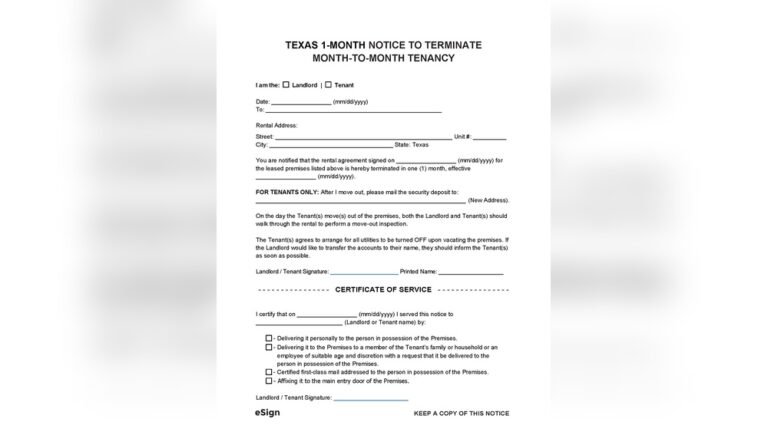
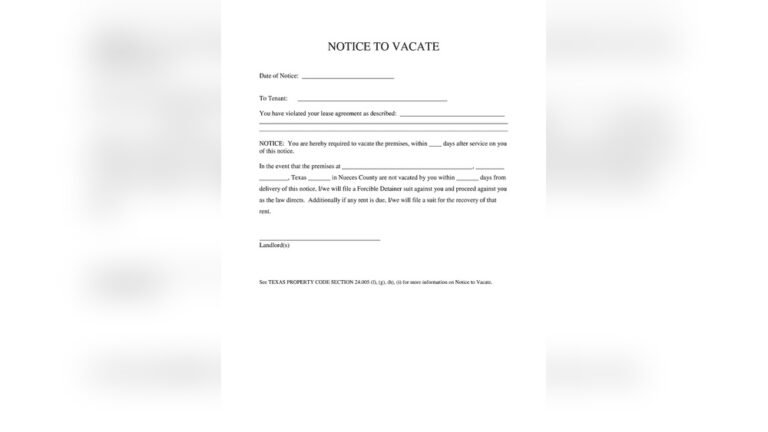
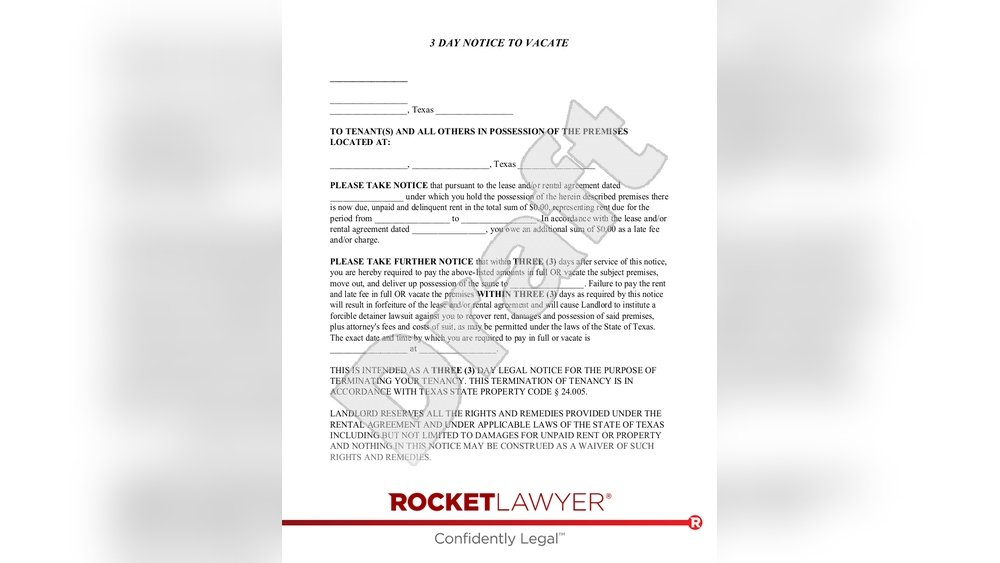
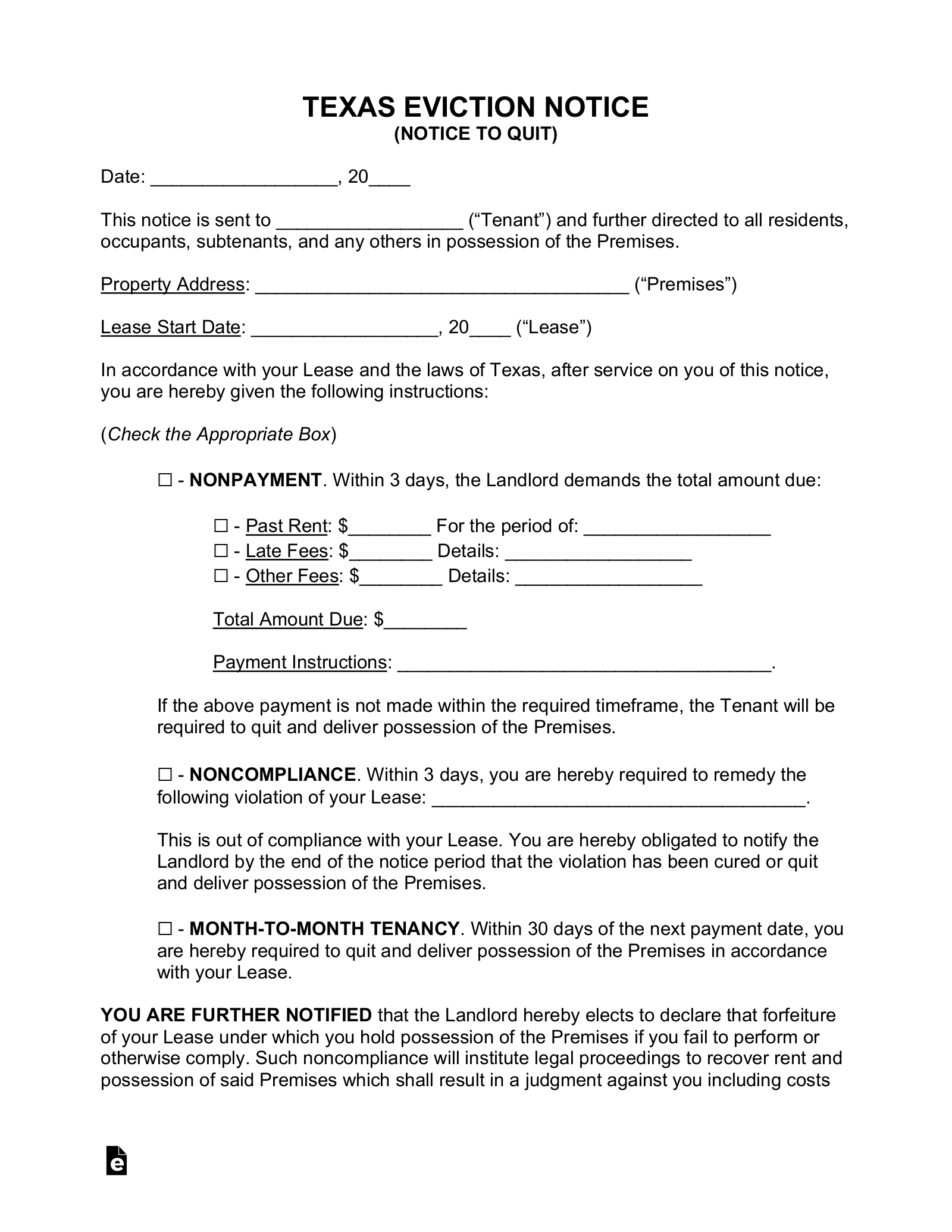
Texas landlords use different notices depending on the situation. The most common notice is the “3-Day Notice to Vacate.” It demands the tenant leave within three days if rent is unpaid. Another type is the “Notice to Cure,” used when a tenant breaks lease terms but can fix the issue. A “Notice of Termination” ends a lease without cause, often for month-to-month agreements. Each notice serves a specific legal purpose.
Timing And Delivery
Timing is critical for eviction notices in Texas. The 3-Day Notice must give tenants exactly three days to respond. Weekends and holidays may affect this count. Notices should be delivered properly to be valid. Common methods include hand delivery, certified mail, or posting on the door. Sending the notice by regular mail alone might not be enough. Proper delivery ensures tenants receive fair warning.
Tenant Rights Upon Notice
Tenants have rights after receiving an eviction notice. They can pay overdue rent to stop a 3-Day Notice eviction. Tenants may also fix lease violations if given a chance. Ignoring the notice can lead to court eviction. Tenants can contest eviction in court and ask for more time. Understanding these rights helps tenants respond correctly and protect their housing.
Credit: eforms.com
Filing An Eviction Lawsuit
Filing an eviction lawsuit in Texas starts when a landlord needs to legally remove a tenant. This step follows after proper notice and attempts to resolve the issue fail. The landlord files a case in the local Justice of the Peace court. The process must follow Texas eviction laws strictly to ensure fairness for both parties.
The lawsuit is also known as a forcible detainer suit. It allows the landlord to regain possession of the property through the court system. The following sections explain when a lawsuit is necessary, how court procedures work, and tenant response options.
When A Lawsuit Is Necessary
A landlord files a lawsuit if the tenant does not leave after a notice to vacate. Notices include a “Notice to Pay Rent or Vacate” or a “Notice to Vacate.” The tenant has a set time, usually three days, to comply. If the tenant stays beyond this period, the landlord must file an eviction suit. Self-eviction actions like changing locks or removing belongings are illegal in Texas.
Court Procedures
The eviction case begins at the Justice of the Peace court. The landlord submits a petition and pays a filing fee. The court sets a hearing date, usually within a few weeks. Both landlord and tenant present their side during the hearing. If the landlord wins, the court issues a judgment for possession. The tenant can appeal or move out voluntarily. If the tenant does not leave, the landlord can request a writ of possession to remove the tenant legally.
Tenant Response Options
Tenants can respond by appearing in court and presenting their defense. Common defenses include incorrect notice or payment proof. Tenants may also file an appeal if they lose the case. Appealing delays the eviction but requires a bond or deposit. Another option is to negotiate with the landlord before the hearing. Tenants should act quickly to protect their rights and avoid sudden eviction.
Eviction Hearings And Judgments
The Writ of Possession and Removal is a key legal step in Texas eviction cases. It authorizes law enforcement to remove tenants from a property. This writ is issued after the landlord wins the eviction lawsuit. It ensures the landlord regains control over their property legally and safely.
Understanding how to obtain and enforce this writ helps both landlords and tenants know their rights. Tenants should also be aware of protections against illegal evictions during this process.
Obtaining The Writ
After the court rules in favor of the landlord, the next step is to request the writ. The landlord files for the writ of possession at the court clerk’s office. The court then issues the writ, which gives legal authority to remove the tenant. This writ usually arrives within a few days after the court decision.
Without this writ, landlords cannot legally force tenants to leave. It is an essential legal document in the eviction process.
Enforcement Process
Once the writ is issued, the landlord must deliver it to the sheriff or constable. Law enforcement schedules a removal date, usually within 24 to 48 hours. On that day, officers arrive at the property to remove the tenant if they have not left voluntarily.
The tenant’s belongings may be removed and stored, depending on local rules. The law enforcement officer’s presence prevents any violence or illegal actions during removal.
Tenant Protections Against Illegal Evictions
Texas law protects tenants from illegal evictions. Landlords cannot change locks, shut off utilities, or remove belongings without a writ. Tenants can report illegal eviction attempts to local authorities. They may also seek help from legal aid organizations.
Tenants facing eviction should know their rights. The law requires landlords to follow a strict court process before removal. Illegal eviction actions can result in penalties for landlords.

Credit: loio.com
Writ Of Possession And Removal
Tenants in Texas facing eviction have access to many helpful resources. These resources guide tenants through the eviction process. They also offer support and legal advice. Understanding these resources can ease the stress of eviction and protect tenant rights.
Legal Aid Organizations
Legal aid organizations provide free or low-cost legal help. They assist tenants with eviction cases and housing issues. Examples include Texas RioGrande Legal Aid and Lone Star Legal Aid. These groups offer advice and sometimes represent tenants in court. Contacting a legal aid organization early can improve outcomes.
Online Forms And Guides
Online forms and guides simplify eviction processes for tenants. Texas LawHelp offers detailed forms for eviction defense and responses. The Texas State Law Library has clear guides about landlord and tenant rights. These resources explain steps, deadlines, and legal terms. Using them helps tenants prepare their case properly.
Emergency Assistance Programs
Emergency assistance programs help tenants facing eviction due to financial hardship. Programs may provide rental aid or utility help. Local charities and government agencies often run these programs. Tenants can apply for funds to avoid eviction or delay it. Early application increases chances of receiving support.
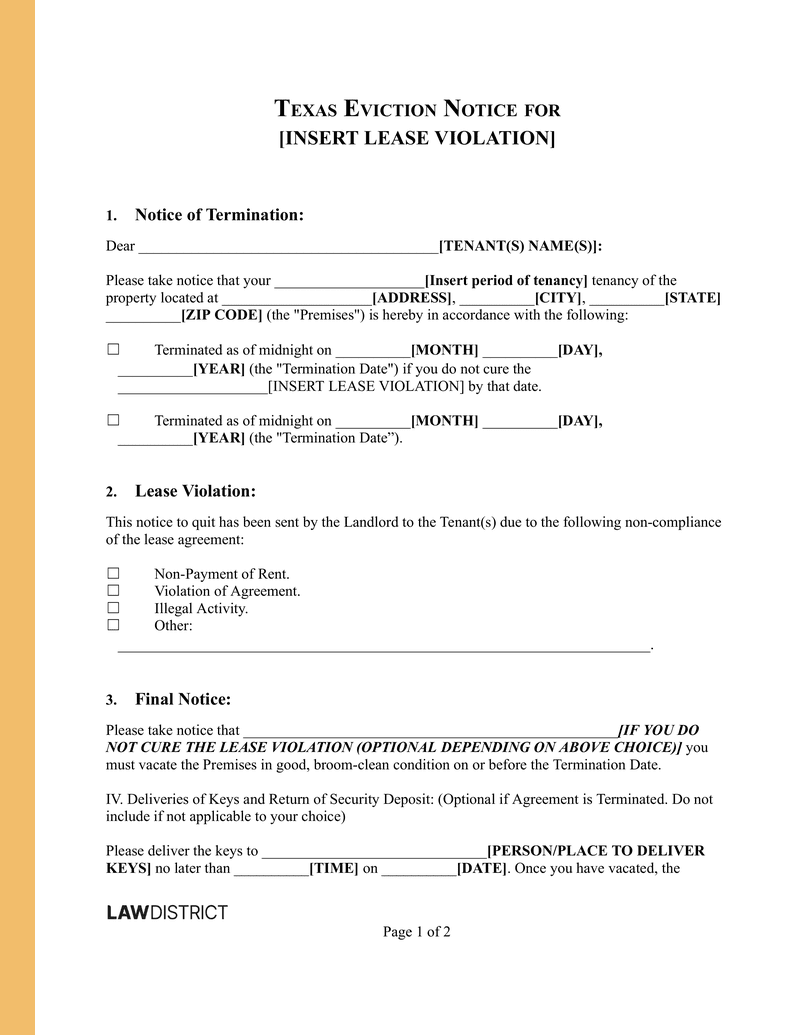
Credit: www.lawdistrict.com
Frequently Asked Questions
How Soon Can They Evict You In Texas?
In Texas, landlords must give a notice to vacate, usually 3 days. After that, they file for eviction in court. The process can take 2-4 weeks. Eviction happens only after a court order and sheriff’s intervention. Self-eviction actions by landlords are illegal.
How To Evict Someone In Texas Immediately In Texas?
To evict someone immediately in Texas, serve a written notice to vacate. File an eviction lawsuit if they don’t leave. Attend court, and if you win, request a writ of possession for law enforcement to remove the tenant. Self-help evictions are illegal.
Can I Kick Someone Out Of My House Without Notice In Texas?
You cannot legally kick someone out of your Texas home without notice. Texas law requires a formal eviction process through the court. Self-help evictions like changing locks or removing belongings are illegal and may lead to penalties. Always provide proper notice and follow legal procedures.
Can You Be Evicted In Texas Without Going To Court?
No, Texas law requires landlords to file an eviction lawsuit in Justice Court before evicting tenants. Self-help evictions are illegal.
Conclusion
Understanding eviction laws in Texas helps both landlords and tenants stay informed. The process follows clear steps to ensure fairness. Tenants have rights and can seek legal help if needed. Landlords must follow the law strictly to avoid penalties. Knowing these rules can reduce stress during eviction cases.
Stay aware and act within legal guidelines to protect your interests.

Ismail Hossain is the founder of Law Advised. He is an Divorce, Separation, marriage lawyer. Follow him.