New Name Change Laws in California: What You Need to Know Now
Are you thinking about changing your name in California? You need to know about the new name change laws that could affect your plans.
These changes might make the process easier—or more complicated—depending on your situation. Understanding the latest rules can save you time, money, and stress. Keep reading to find out what’s new and how it impacts you directly. Don’t miss these important updates that could change the way you handle your name change.
Key Changes In California Name Laws
The new name change laws in California bring important updates. These changes affect how people can change their names legally. Understanding these updates helps you know what to expect and how to follow the rules.
The laws aim to make the process clearer and more accessible. They also protect privacy and reduce paperwork. Below are the key changes you need to know.
Updated Application Process
The application for a name change is now simpler. People must fill out fewer forms. This reduces confusion and speeds up approval time.
Expanded Reasons For Name Change
The law allows name changes for more reasons. Personal identity and cultural reasons are now included. This gives people more freedom to choose their names.
Improved Privacy Protections
New rules protect the privacy of applicants. Court records can be sealed in certain cases. This helps people keep their name changes confidential.
Lower Fees For Some Applicants
Fees for name changes are reduced for low-income applicants. This makes the process more affordable for many people. It encourages fairness and equal access to the legal system.
Streamlined Court Hearings
Court hearings for name changes are faster. Judges can approve requests more quickly. This saves time for courts and applicants alike.
Credit: saclaw.org
Who Is Affected By The New Rules
The new name change laws in California affect many people. These rules change how individuals can legally change their names. Understanding who must follow these rules is important for anyone considering a name change.
This section explains the groups impacted by the new laws. It clarifies who needs to know about these updates and how they apply.
Individuals Seeking Legal Name Changes
People who want to change their name in California must follow the new rules. This includes adults and minors with court approval. The updated process may affect the time and documents required.
Transgender And Non-binary Individuals
New laws make it easier for transgender and non-binary people to change their names. These changes remove some barriers and simplify the process. This group benefits from clearer and more respectful procedures.
Parents Changing Their Child’s Name
Parents who want to change their child’s name need to follow these rules. The laws explain when and how a child’s name can be changed legally. Both parents may need to agree unless the court decides otherwise.
People With Criminal Records
The new laws affect people with criminal records differently. Some restrictions still apply to name changes for these individuals. The rules clarify which cases may not qualify for a new name.
Step-by-step Name Change Process
Changing your name in California is now clearer with new laws. The process has steps you must follow carefully. Understanding each step helps avoid delays or problems.
Below is a simple guide to the name change process. It breaks down what you need to do from start to finish.
Filing The Petition For Name Change
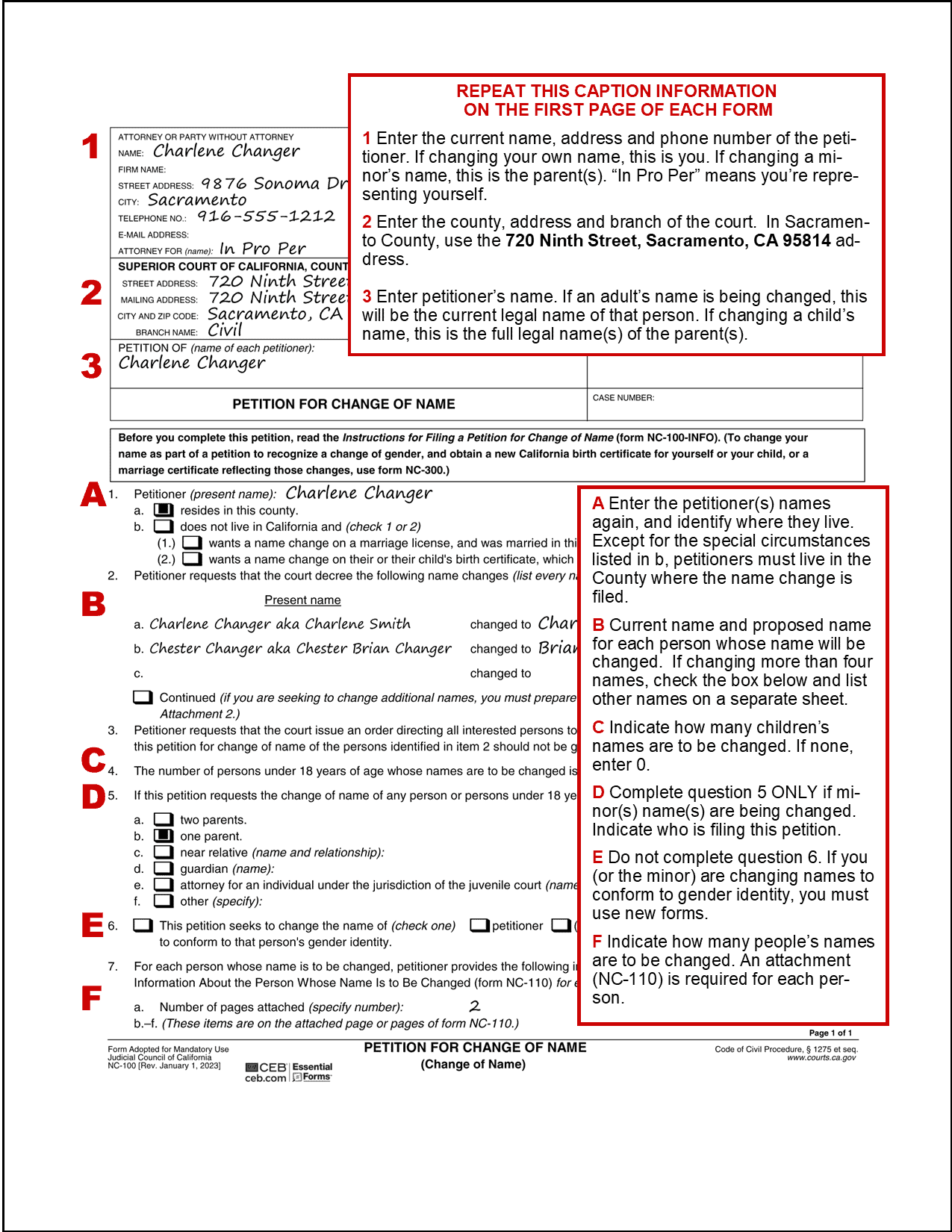
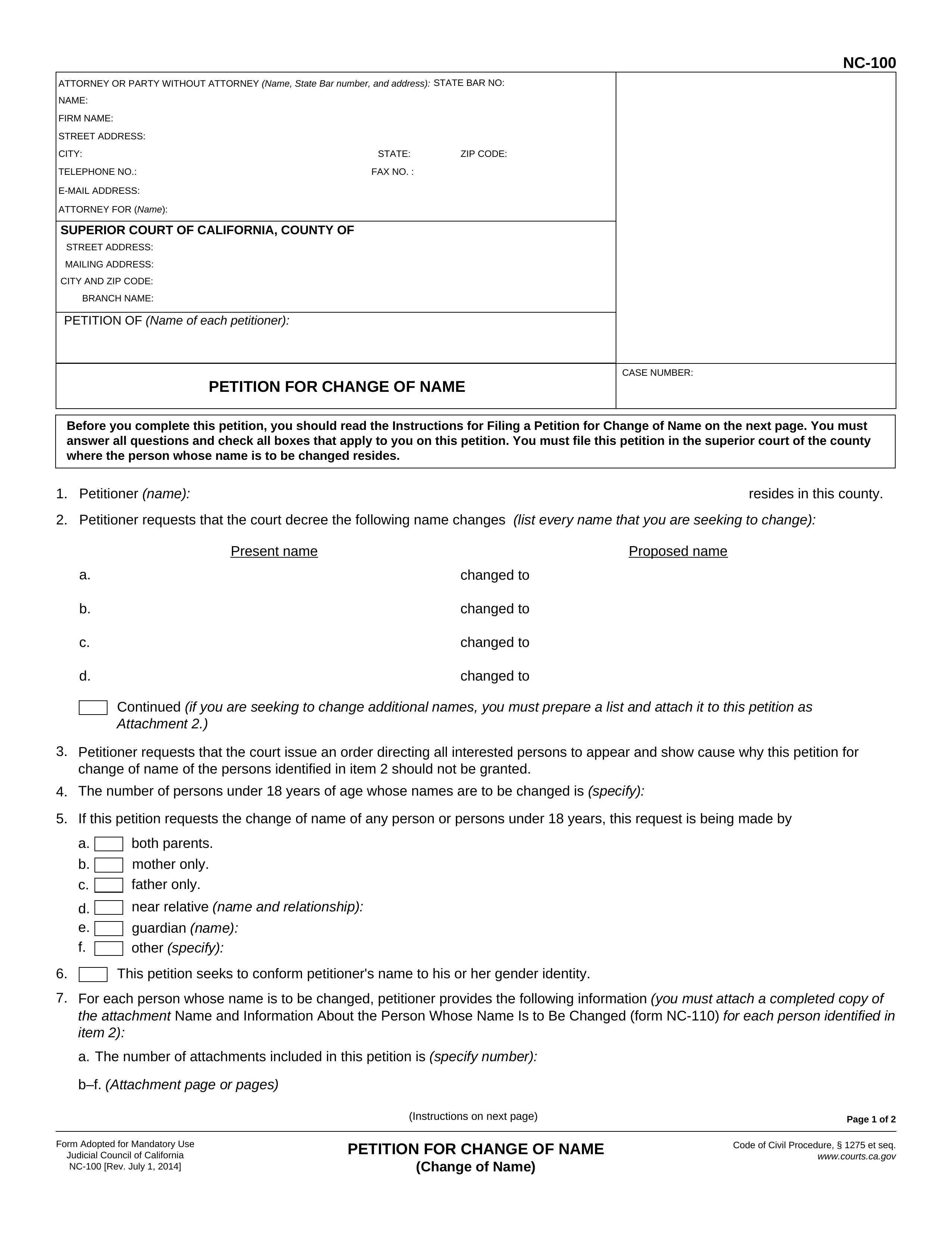
First, you fill out the Petition for Change of Name form. This form asks for your current name and the new name. You file it at the county court where you live. There is a fee to file the form. Fee waivers are available if you cannot pay.
Publishing The Name Change Notice
Next, you must publish a notice of your name change in a local newspaper. This runs once a week for four weeks. The purpose is to inform the public. Certain cases may allow you to skip this step.
Attending The Court Hearing
A hearing date is set after you file the petition. At the hearing, a judge reviews your request. The judge checks if the change is for a lawful reason. If approved, the judge signs the order for name change.
Getting Certified Copies Of The Court Order
After the judge signs the order, get certified copies from the court. These copies are proof of your new legal name. Use them to update your records with government agencies.
Updating Your Records And Documents
Update your Social Security card, driver’s license, and bank accounts. Also notify schools, employers, and other important places. Each agency has its own process and forms. Carry your certified court order as proof.
Credit: eforms.com
Tips For A Smooth Name Change
Changing your name in California now follows new rules. Knowing simple tips can make the process easier. These tips help avoid delays and confusion.
Prepare carefully and follow the steps in the right order. Stay organized and keep all documents ready. This helps you finish the change without stress.
Gather All Required Documents
Start with collecting important papers. These include your current ID, birth certificate, and proof of residency. Having these ready speeds up the process.
Fill Out Forms Correctly
Use the official forms from the court or government website. Write clearly and check for mistakes. Errors can cause delays or rejection.
File Your Petition Early
Submit your name change request as soon as possible. Early filing helps you avoid long wait times. Keep a copy of your petition for records.
Notify Relevant Agencies
After approval, inform banks, schools, and the DMV. Update your name on all important accounts. This keeps your records consistent everywhere.
Attend The Court Hearing
Be on time for your court date. Speak clearly and answer questions honestly. This shows respect and helps move the process along.
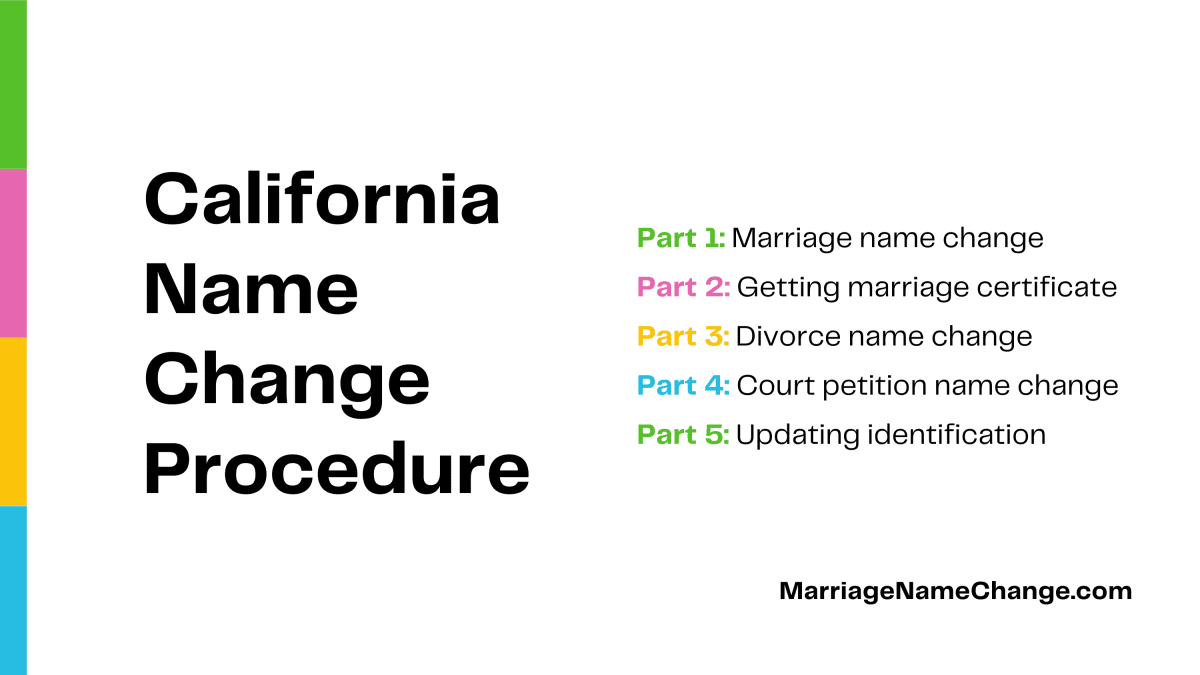
Credit: aliasflip.com
Frequently Asked Questions
What Are The New Name Change Laws In California?
California updated rules to make name changes simpler and faster. The process now requires less paperwork and fewer court visits. These changes help people legally change their names with ease.
Who Can Apply For A Name Change Under The New Laws?
Anyone living in California can apply for a name change. This includes adults, minors with guardian approval, and non-citizens. The new laws remove some previous restrictions to help more people.
How Long Does The Name Change Process Take Now?
The process usually takes a few weeks to a few months. It depends on court schedules and paperwork accuracy. The new laws aim to speed up approvals and reduce delays.
Are There New Fees Or Costs For Name Changes?
The fees remain similar, but some courts offer reduced or waived fees. Fee assistance is available for low-income applicants. Check local court websites for updated fee information.
Conclusion
California’s new name change laws bring clearer, simpler steps. You can now follow a more direct process. These changes help reduce delays and confusion. Knowing the rules makes the process easier for everyone. Stay informed and prepare your paperwork carefully.
This way, you avoid common mistakes and save time. The new laws support your right to change your name smoothly. Keep updated on any future changes too. Your name, your choice—now with less hassle.

Ismail Hossain is the founder of Law Advised. He is an Divorce, Separation, marriage lawyer. Follow him.