Maternity Leave Laws in North Carolina: What Every Mom Needs to Know
Are you expecting a new addition to your family or planning for one soon? Understanding your rights around maternity leave is crucial to protecting your job and your well-being during this important time.
North Carolina has specific laws that affect how much time you can take off, whether you’ll get paid, and what your employer must provide. Knowing these details can ease your mind and help you plan better. Keep reading to discover everything you need to know about maternity leave laws in North Carolina—so you can focus on what truly matters: your growing family.
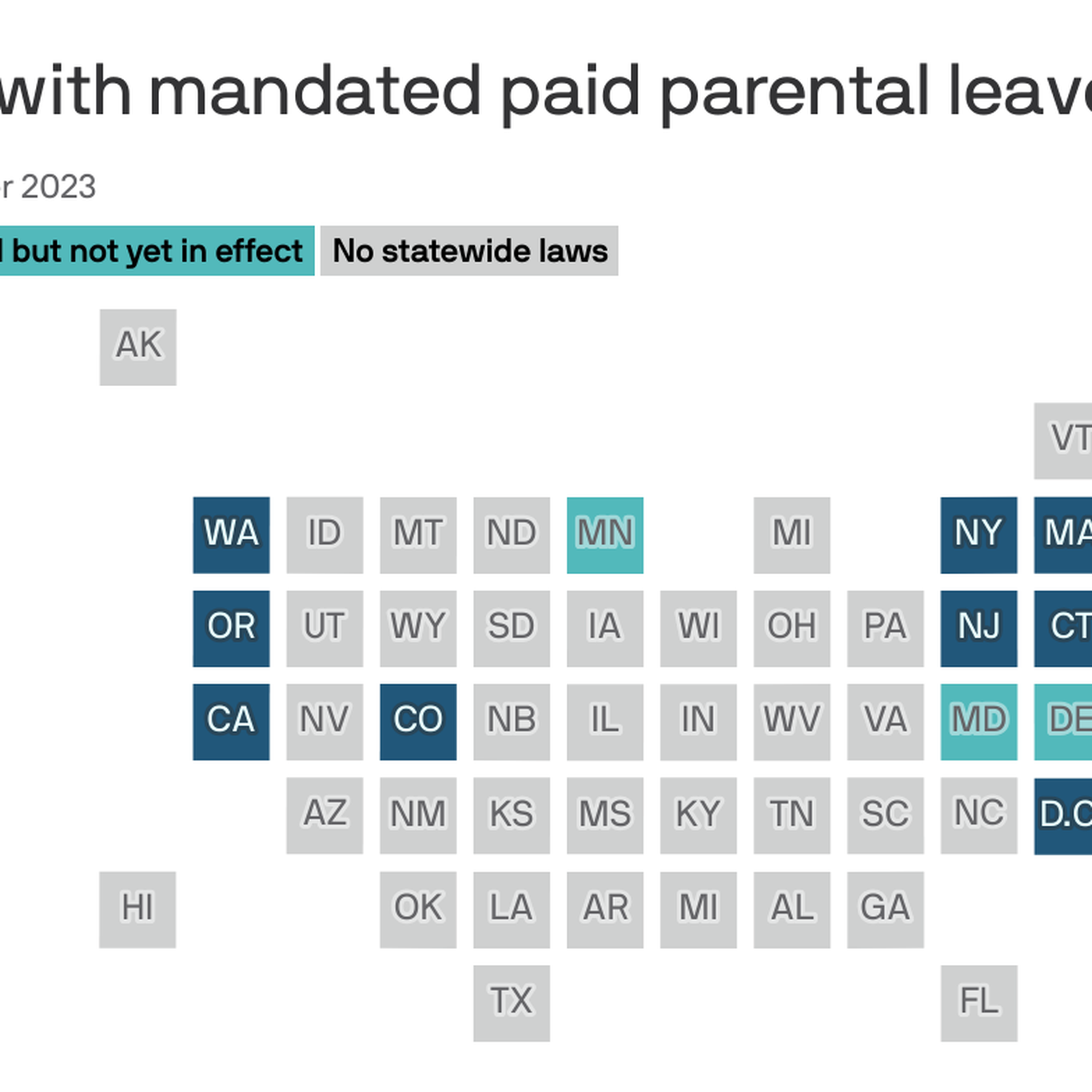
Credit: www.axios.com
Federal Maternity Leave Rights
Federal maternity leave rights provide important protections for new mothers. These laws help women take time off work for childbirth and recovery. The Family and Medical Leave Act (FMLA) is the key federal law. It sets clear rules about leave length and job security. Understanding these rights helps mothers plan their maternity leave with confidence.
Family And Medical Leave Act Basics
The Family and Medical Leave Act allows eligible employees to take unpaid leave. This leave can last up to 12 weeks in a 12-month period. It covers birth, adoption, and serious health conditions. The law applies to public agencies and private employers with 50 or more employees.
Eligibility Requirements
To qualify, an employee must work for a covered employer. They need to have worked at least 1,250 hours in the past 12 months. The employee must have worked for the company for at least 12 months. Part-time workers may qualify if they meet these hours and time rules.
Job Protection And Benefits
Under FMLA, employees can return to the same or an equivalent job. Employers must keep health benefits during the leave. The law does not require paid leave, but some employers offer it. Job protection ensures mothers do not lose their position after leave.
North Carolina State Leave Laws
North Carolina has specific rules about maternity leave that differ from federal laws. These state rules affect how much leave new mothers can take and under what conditions. Understanding North Carolina’s state leave laws helps employees and employers know their rights and duties.
State-specific Leave Policies
North Carolina does not have a separate state law for paid maternity leave. Most leave rights come from federal laws. However, the state offers some protections under the North Carolina Family and Medical Leave Act. This law allows eligible employees to take unpaid leave for family reasons, including childbirth.
Eligible employees can take up to 12 weeks of unpaid leave within a 12-month period. The leave can be for the birth of a child or to care for a newborn. Employees must have worked at least 1,250 hours in the past year for their employer to qualify.
Differences From Federal Laws
The federal Family and Medical Leave Act (FMLA) sets the basic rules for maternity leave. North Carolina follows the FMLA but does not add extra benefits. The state law covers employers with 50 or more employees, just like the federal law.
North Carolina does not require paid maternity leave. The federal law also does not require pay during leave. Some employers may offer paid leave, but it is not mandated by law.
Small businesses with fewer than 50 employees are not required to provide FMLA leave. North Carolina has no laws that extend protections to workers at smaller companies.
Paid Leave Options In North Carolina
Paid leave helps new parents care for their babies without losing income. North Carolina does not have a state law requiring paid maternity leave. Yet, some options can provide financial support during this time. These include employer plans and disability benefits. Understanding these can help families plan better.
Employer-provided Paid Leave
Many employers in North Carolina offer paid maternity leave. The length and pay vary by company. Some provide full pay for a few weeks, while others offer partial pay. Check your company’s policy before the baby arrives. This leave helps cover time off for recovery and bonding.
Short-term Disability Benefits
Short-term disability insurance can cover part of your salary during maternity leave. This insurance pays if you cannot work due to pregnancy or childbirth. Not all employers provide this benefit. You may buy it privately or get it through your job. It usually covers about 60% of wages for six weeks or more.
Paid Family Leave Programs
North Carolina does not have a state-paid family leave program. Some federal programs, like the Family and Medical Leave Act (FMLA), provide unpaid leave. A few private companies offer paid family leave beyond legal requirements. These programs allow parents to take time off with pay to care for their newborns.

Credit: queencitydoulas.com
Navigating Workplace Rights
Navigating workplace rights during maternity leave can feel confusing. Understanding your legal protections is key. North Carolina has specific rules that help expectant and new mothers keep their jobs and benefits. Knowing how to ask for leave, respond to your employer, and avoid discrimination makes the process easier.
Requesting Leave
Start by telling your employer about your pregnancy and leave plans early. Written notice is best. Include your expected leave dates and any doctor’s notes. North Carolina follows federal laws like the Family and Medical Leave Act (FMLA) for eligible employees. Check if your job qualifies for unpaid leave under FMLA. Some employers offer paid leave too. Ask about your company’s maternity leave policy to understand your options.
Handling Employer Responses
Your employer must respond to your leave request promptly. They may ask for medical certification to approve your leave. Keep copies of all communications. If your employer denies your request or offers less leave than expected, ask for reasons in writing. You can seek help from the U.S. Department of Labor or a local labor office. Staying calm and professional helps maintain good relations during this time.
Protecting Against Discrimination
Federal and state laws protect pregnant workers from unfair treatment. Your employer cannot fire, demote, or punish you for taking maternity leave. They must provide reasonable accommodations if needed, like lighter duties or breaks. If you face discrimination, document each incident carefully. Report it to the Equal Employment Opportunity Commission (EEOC) or a legal advisor. Knowing your rights ensures you stay safe at work during pregnancy and after childbirth.
Planning Your Maternity Leave
Planning your maternity leave takes careful thought. It helps you balance work and family needs smoothly. Knowing the rules in North Carolina is key. It makes the process easier and less stressful.
Timing And Duration
Start planning early. Decide when to begin your leave based on your due date. North Carolina follows federal laws like the Family and Medical Leave Act. It offers up to 12 weeks of unpaid leave for new mothers. You can choose to take leave before or after your baby arrives. Speak to your employer about your plan soon. This helps everyone prepare for your absence.
Coordinating With Work Responsibilities
Inform your team about your leave plans. Work on finishing important tasks before you leave. Delegate duties to coworkers if possible. Set up clear instructions for your absence. This keeps your projects running smoothly. Discuss how you want to stay updated during your leave. Some prefer no contact, others want occasional updates.
Financial Considerations
Understand your pay options during maternity leave. North Carolina does not require paid leave by law. Check if your employer offers paid maternity leave or short-term disability. Save money ahead of time to cover expenses. Look into other benefits like accrued vacation or sick leave. Planning finances reduces stress while caring for your newborn.
Resources And Support For New Moms
New moms in North Carolina can find various resources and support systems. These resources help with maternity leave and the challenges after childbirth. Knowing where to turn makes this time easier and less stressful.
State Agencies And Programs
North Carolina offers several state programs for new mothers. The Department of Health and Human Services provides health coverage options. The Women, Infants, and Children (WIC) program gives nutrition support. The Division of Employment Security helps with unemployment and disability benefits. These agencies assist with both financial and health-related needs.
Legal Assistance
Legal help is available for maternity leave rights. The North Carolina Legal Aid offers free services to low-income families. The Equal Employment Opportunity Commission handles workplace discrimination issues. Knowing your rights helps protect your job during maternity leave. Legal support ensures employers follow the law.
Community And Online Support
Many local groups provide emotional and practical help. Parenting classes teach newborn care and breastfeeding. Support groups allow new moms to share experiences. Online forums connect mothers across the state. These networks offer advice, comfort, and friendship.

Credit: www.axios.com
Frequently Asked Questions
What Maternity Leave Laws Apply In North Carolina?
North Carolina follows the federal Family and Medical Leave Act (FMLA). It offers up to 12 weeks of unpaid leave for eligible employees. The state does not have separate paid maternity leave laws.
Who Qualifies For Maternity Leave Under North Carolina Law?
Employees must work for a company with 50 or more workers to qualify for FMLA. They also need to have worked at least 1,250 hours in the past year. These rules allow eligible mothers to take maternity leave.
Is Maternity Leave Paid Or Unpaid In North Carolina?
Maternity leave under FMLA in North Carolina is unpaid. Some employers may offer paid leave, but it is not required by law. Many women use saved vacation or sick days for pay during leave.
How Does Maternity Leave Protect Job Security In North Carolina?
FMLA protects your job while on maternity leave. Employers must hold your position or a similar one for you. This law helps you return to work without losing your job.
Conclusion
Maternity leave laws in North Carolina help protect working parents. They offer time to care for a new baby without losing a job. Knowing your rights can reduce stress during this important time. Employers and employees both benefit from clear rules.
Stay informed and plan your leave carefully. This ensures a smooth transition for your family and work. Taking time off supports health and bonding with your child. Understanding these laws helps you make the best decisions for your family.

Ismail Hossain is the founder of Law Advised. He is an Divorce, Separation, marriage lawyer. Follow him.