Animal Abuse Laws in North Carolina: Essential Facts You Must Know
If you care about animals and want to make sure they are protected, you need to understand the laws that keep them safe in North Carolina. Knowing your rights and the rules can help you spot abuse and take action.
This article will guide you through the important animal abuse laws you should know. By the end, you’ll feel more confident about standing up for animals and making a real difference in your community. Keep reading to learn how the law works to protect animals—and how you can help.
Credit: www.durhamsheriff.com
Animal Abuse Laws In North Carolina
North Carolina has laws to protect animals from abuse and cruelty. These laws help ensure animals are treated with care and respect. The state takes animal abuse seriously and sets clear rules for punishment.
Understanding these laws can help people know their rights and responsibilities. It also helps protect pets, farm animals, and wildlife from harm. Here is an overview of important animal abuse laws in North Carolina.
Definition of Animal Abuse in North CarolinaAnimal abuse means causing harm or pain to an animal on purpose. It includes neglect, beating, starving, or abandoning an animal. The law covers both pets and wild animals. It also protects animals used for work or farming.
Penalties for Animal AbusePenalties for animal abuse depend on the severity of the act. Minor abuse can be a misdemeanor with fines or jail time. Serious abuse may be a felony with harsher punishment. Repeat offenders face stronger penalties to prevent future harm.
Reporting Animal AbuseAnyone can report animal abuse in North Carolina. Calls can be made to local police, animal control, or animal welfare groups. Reporting helps stop abuse and protect animals quickly. Reports are confidential to keep the reporter safe.
Animal Cruelty Prevention ProgramsThe state supports programs to educate people about animal care. These programs teach kindness and proper treatment of animals. They aim to reduce abuse by raising awareness in communities. Volunteers and organizations often lead these efforts.
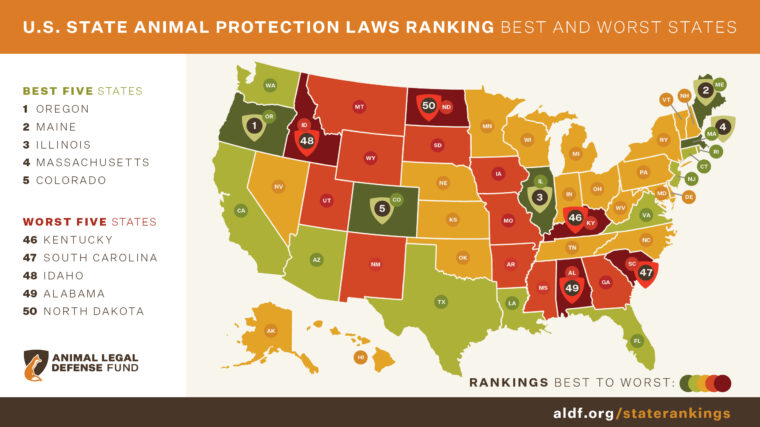
Credit: aldf.org
Types Of Animal Abuse Covered
North Carolina law protects animals from many types of abuse. It covers different ways animals can be harmed or neglected. Understanding these categories helps people know what is illegal.
The law aims to stop cruelty and keep animals safe. It covers both direct harm and neglectful care. Here are the main types of animal abuse the law addresses.
Physical Abuse
Physical abuse means hurting an animal on purpose. This includes hitting, kicking, or any act causing pain. The law makes it illegal to injure animals intentionally.
Neglect And Starvation
Neglect happens when animals do not get enough food, water, or shelter. Starving an animal is also against the law. Owners must provide basic care to keep animals healthy.
Animal Fighting
North Carolina bans any form of animal fighting. This includes dog fighting and cockfighting. Organizing, attending, or betting on fights is illegal and punishable.
Abandonment
Leaving an animal without care or shelter is abandonment. The law forbids deserting pets or farm animals. Abandoned animals face harm and must be protected.
Inhumane Treatment
Treating animals cruelly, such as keeping them in unsafe places, breaks the law. This includes chaining animals without water or shelter for long periods. Humane treatment is required by law.
Penalties And Legal Consequences
Animal abuse in North Carolina carries strict penalties. The law treats these crimes seriously to protect animals. Offenders face various legal consequences based on the severity of their actions.
Understanding these penalties helps raise awareness. It also shows the state’s commitment to animal welfare.
Types Of Penalties For Animal Abuse
Penalties include fines, jail time, or both. For minor cases, fines may be several hundred dollars. Serious offenses can lead to years in prison. Courts also order community service or counseling.
Repeat offenders face harsher punishments. The law aims to prevent repeated harm to animals.
Felony Vs. Misdemeanor Charges
Animal abuse charges vary as misdemeanors or felonies. Misdemeanors cover less severe abuse or neglect. Penalties usually involve smaller fines and short jail terms.
Felony charges apply to severe abuse or cruelty. Felonies carry longer prison sentences and higher fines. These charges reflect the seriousness of the crime.
Additional Legal Consequences
Courts can ban offenders from owning animals. This protects animals from future harm. Offenders may also have to pay veterinary bills. Restitution ensures animals receive proper care after abuse.
Criminal records from animal abuse cases affect future jobs. These records stay with offenders for years. They impact personal and professional life beyond the courtroom.
Reporting Animal Abuse
Reporting animal abuse in North Carolina is a vital step to protect animals. It helps stop cruelty and ensures the law is enforced. Knowing how to report abuse correctly makes a difference.
Anyone who sees an animal in danger should act quickly. The state has clear rules for reporting abuse. These rules help authorities respond fast and save animals from harm.
How To Identify Animal Abuse
Animal abuse includes neglect, physical harm, and unsafe living conditions. Signs include wounds, malnutrition, and poor shelter. Recognizing these signs is key to reporting abuse.
Where To Report Animal Abuse
Reports can go to local animal control, police, or the North Carolina Humane Society. Each agency has trained staff to handle complaints. Choose the nearest or most accessible office to you.
What Information To Provide
Clear details help officials act quickly. Give the exact location, type of abuse, and description of the animal. Include any photos or videos if possible. Your information can save lives.
What Happens After Reporting
Authorities investigate the report carefully. They visit the location and check the animal’s condition. If abuse is confirmed, legal actions follow to protect the animal.
Your Role In Protecting Animals
Reporting abuse is a civic duty. It shows care for animals and supports law enforcement. Your voice can bring justice and improve animal welfare in your community.
Role Of Animal Control And Law Enforcement
Animal control and law enforcement work together to stop animal abuse in North Carolina. They investigate reports and enforce laws to protect animals. Their role helps keep animals safe and hold abusers accountable.
Role Of Animal Control Officers
Animal control officers protect animals from harm in North Carolina. They respond to reports of abuse or neglect quickly. Their job includes investigating complaints and rescuing animals in danger. Officers educate the public about proper animal care. They also enforce local and state animal laws strictly. Animal control ensures animals live in safe, healthy environments. They work closely with veterinarians and shelters for animal safety. Their presence helps reduce cruelty and improve animal welfare.
Law Enforcement Responsibilities
Police officers support animal control in abuse cases. They have authority to arrest offenders under state laws. Officers gather evidence to build strong legal cases. They may seize animals from abusive situations. Law enforcement ensures offenders face legal consequences. Collaboration with animal control strengthens investigations. This teamwork promotes justice for animals in distress. Officers attend court hearings to testify about abuse. Their role is vital in enforcing animal protection laws.
Reporting And Investigation Process
Anyone can report suspected animal abuse to authorities. Animal control or police start investigations after reports. They inspect the animal’s condition and living environment. Interviews with witnesses help gather more information. Officers document findings with photos and notes. Investigations aim to confirm abuse or neglect facts. Prompt action can save animals from ongoing harm. Reporting suspicions plays a key role in protecting animals. The process ensures accountability and animal safety.
Preventing Animal Abuse In Communities
Preventing animal abuse is vital for safe and healthy communities. People, pets, and wildlife all benefit from respect and care. Communities that stop cruelty early help animals live better lives. Everyone plays a role in keeping animals safe.
Understanding animal abuse laws is one way to protect animals. Knowing what counts as abuse helps people speak up. Reporting abuse can stop harm before it worsens. Education also teaches kindness and respect for animals.
Educating The Public About Animal Rights
Teaching about animal rights helps people understand their duties. Schools and groups can share facts about proper animal care. Simple lessons show why animals need food, water, and shelter. People learn to notice signs of abuse and act.
Community Reporting And Support Systems
Communities that report abuse quickly save animal lives. Hotlines and online tools make reporting easier. Neighbors can watch for suspicious behavior and alert authorities. Support groups help victims and offer advice on prevention.
Partnerships With Local Law Enforcement
Police and animal control teams work together to stop abuse. Training helps officers recognize and handle animal cruelty cases. Quick responses lead to faster rescue and legal action. Strong partnerships build trust and safety in the community.
Promoting Responsible Pet Ownership
Good pet care prevents abuse before it starts. Owners learn about feeding, grooming, and medical care. Spaying and neutering reduce stray animals and neglect. Community programs offer help and resources for pet owners.
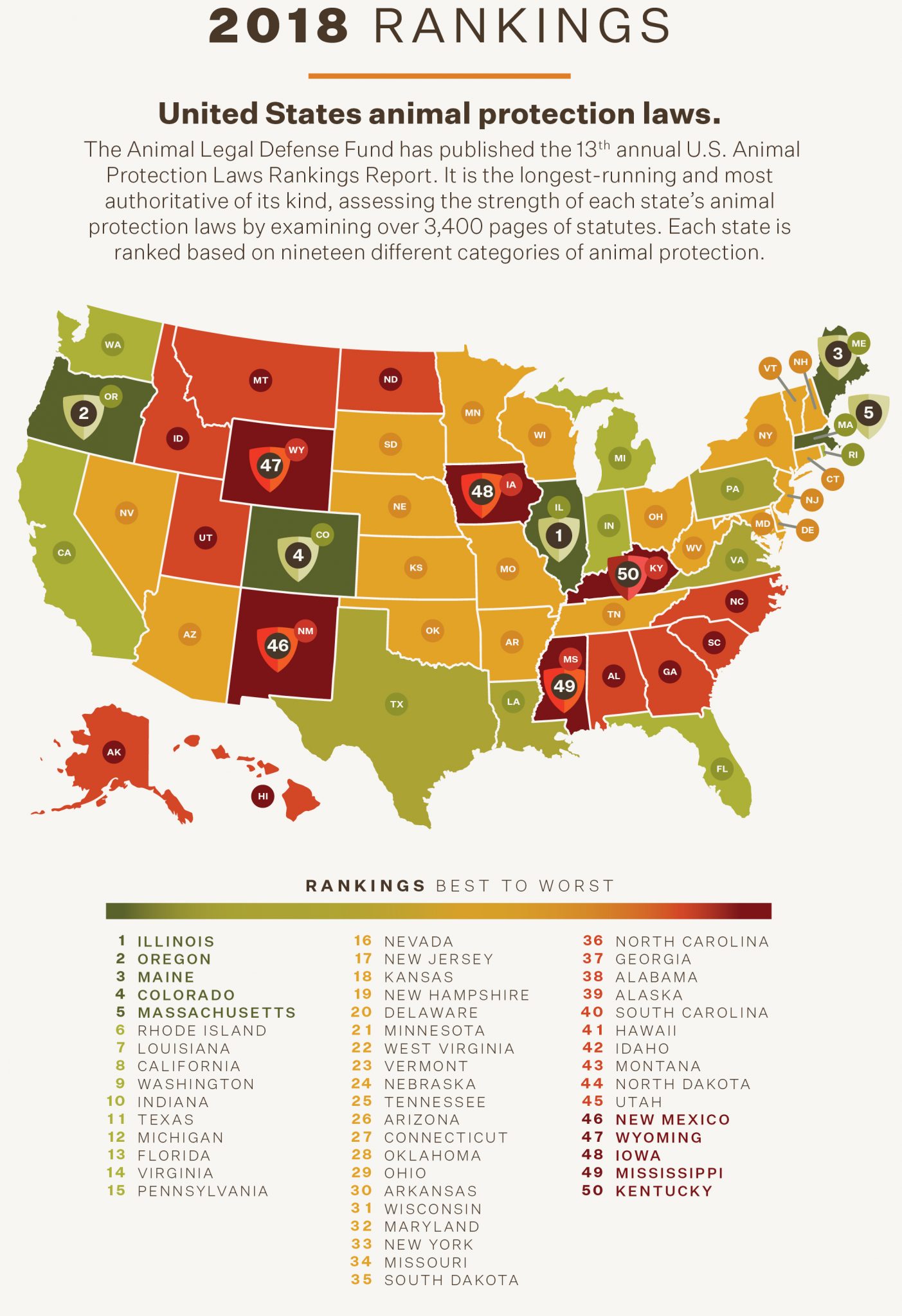
Credit: aldf.org
Frequently Asked Questions
What Are The Main Animal Abuse Laws In North Carolina?
North Carolina law protects animals from cruelty and neglect. It forbids harming, torturing, or abandoning animals. Penalties can include fines and jail time.
How Does North Carolina Define Animal Abuse Legally?
Animal abuse means causing harm, pain, or suffering to animals. It includes neglect, physical harm, and failing to provide care. The law covers pets, farm animals, and wildlife.
What Penalties Exist For Animal Abuse In North Carolina?
Penalties vary by the abuse severity and animal type. Punishments can be fines, jail, or both. Repeat offenders face stricter consequences.
Who Enforces Animal Abuse Laws In North Carolina?
Local police and animal control officers enforce these laws. They investigate complaints and rescue abused animals. Courts handle prosecution of offenders.
Conclusion
North Carolina’s animal abuse laws protect pets and wildlife. These laws punish those who harm animals. Knowing the rules helps keep animals safe. People must report abuse to the right authorities. Strong laws show the state cares about animal welfare.
Everyone can play a part in ending cruelty. Respect and kindness toward animals make communities better. Together, we can ensure a safer place for all creatures.

Ismail Hossain is the founder of Law Advised. He is an Divorce, Separation, marriage lawyer. Follow him.