Age of Consent Laws in Pennsylvania: What You Need to Know
Understanding the age of consent laws in Pennsylvania is important for your safety and peace of mind. These laws affect many aspects of your life, from relationships to legal responsibilities.
If you’re unsure about what the law says or how it applies to you, this article will clear up the confusion. By the time you finish reading, you’ll know exactly where you stand and how to protect yourself and those around you.
Keep reading to get the facts you need to stay informed and confident.
Credit: www.davidmckenzielawfirm.com
Age Of Consent Basics
Understanding the age of consent is important for everyone. It defines the legal age when a person can agree to sexual activity. These laws protect young people from exploitation and abuse. The rules vary by state, so knowing the specifics in Pennsylvania is essential.
This section explains the basics of age of consent laws. It covers the legal age and why these laws matter. Clear knowledge helps people stay safe and follow the law.
Legal Age In Pennsylvania
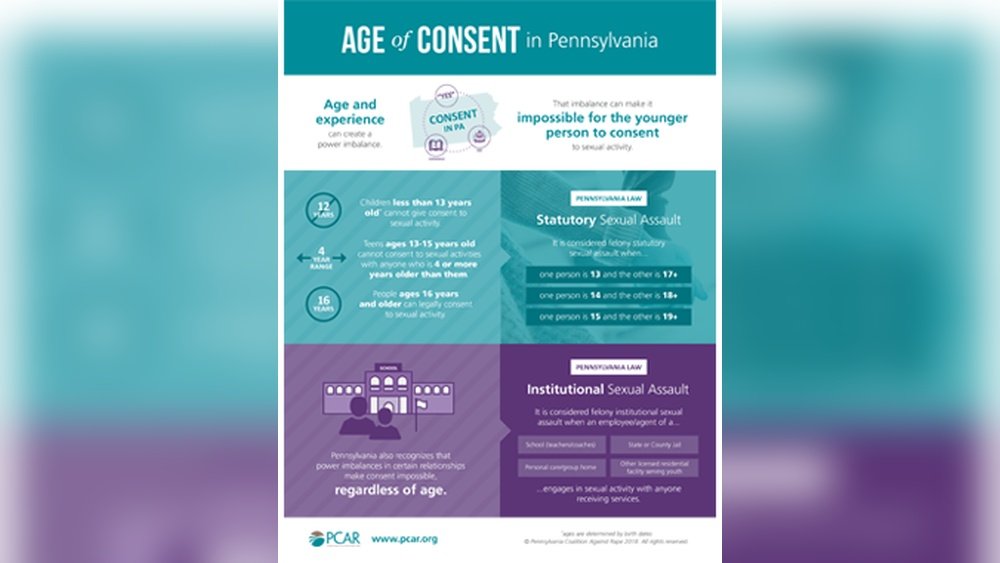
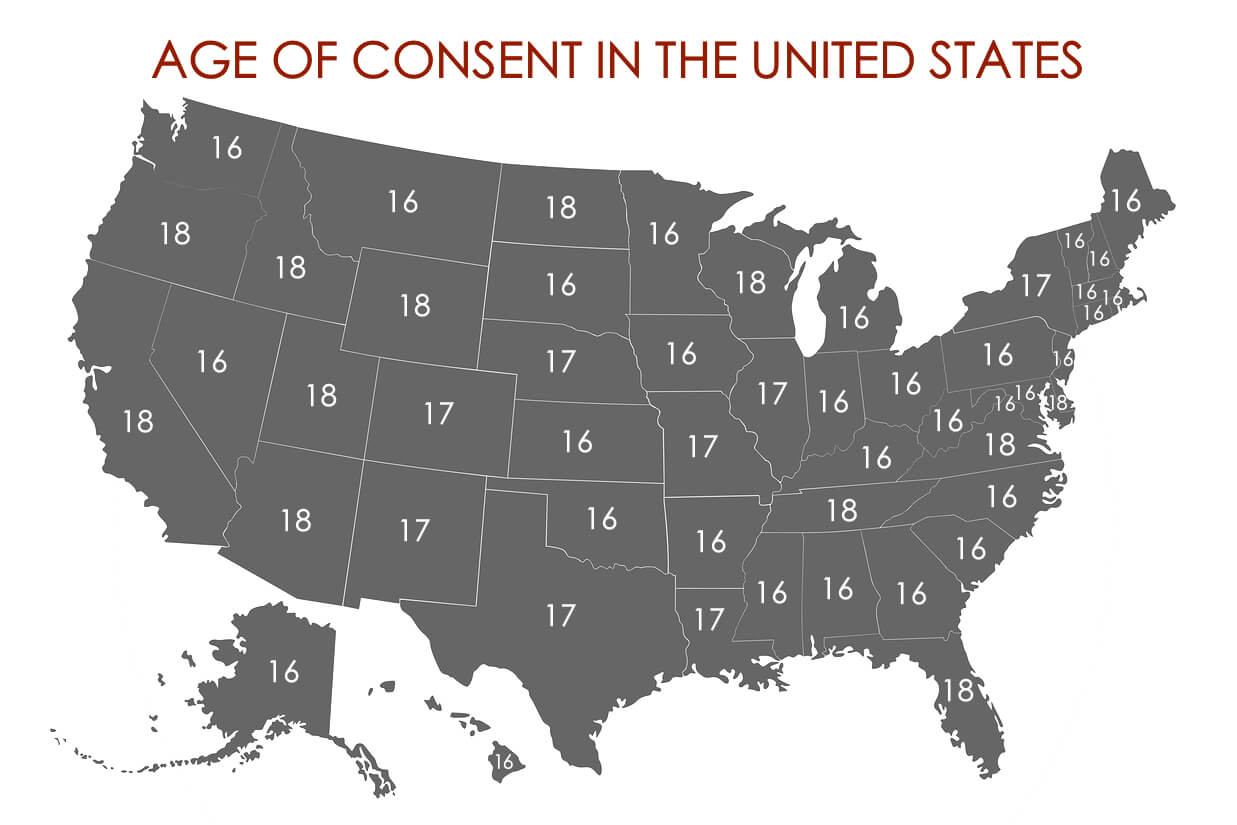
In Pennsylvania, the age of consent is 16 years old. This means people aged 16 or older can legally agree to sexual activity. Those younger than 16 cannot legally give consent. Adults who engage with minors under 16 may face serious charges.
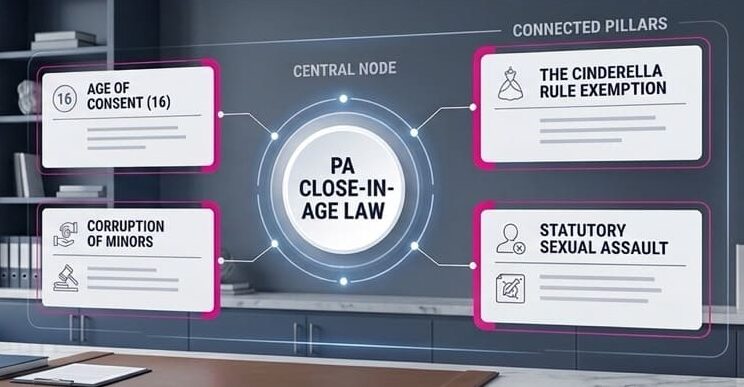
There are close-in-age exceptions. These allow teens close in age to engage in consensual acts without criminal charges. These rules protect teens from harsh penalties but still protect younger children.
Importance Of Age Of Consent
Age of consent laws protect young people from harm and exploitation. They set clear boundaries for adults and minors. These laws help prevent abuse and ensure healthy relationships.
Knowing these laws helps avoid legal trouble. It also promotes respect and safety in relationships. Awareness supports a safer community for everyone.

Credit: www.snyderlawyer.com
Close-in-age Exceptions
Close-in-age exceptions protect young people who are close in age from harsh legal penalties. These laws recognize that teens often date others near their age. The exceptions prevent serious charges in cases where both parties are teenagers or young adults.
Such rules help avoid criminalizing consensual relationships between peers. They create a legal space for young couples to explore relationships safely. Pennsylvania has specific rules about how close in age partners must be to qualify for these exceptions.
Romeo And Juliet Law
The Romeo and Juliet law is a special rule for young couples. It applies when one person is just below the age of consent. The other person must be close in age but over the age limit. This law lowers the chance of serious punishment for both.
It aims to stop harsh charges in relationships that involve minor age differences. Both people must agree to the relationship. The law helps protect young people from lifelong criminal records for normal dating.
Age Differences Allowed
Pennsylvania allows a few years’ difference between partners under this exception. Usually, the older partner can be up to four years older than the younger. The younger partner must be at least 13 years old.
This means a 17-year-old can legally date a 13-year-old without criminal charges. This rule applies only if the relationship is consensual and not exploitative. Understanding these limits helps avoid legal trouble in teenage relationships.
Legal Consequences
Breaking Pennsylvania’s age of consent laws leads to serious legal trouble. The state treats these cases with strict rules to protect minors. Understanding the legal consequences helps you see the risks involved. Penalties vary depending on the offender’s age and the minor’s age.
Criminal Charges
Violating age of consent laws can result in criminal charges. Charges include statutory rape or corruption of minors. These crimes may be felonies or misdemeanors. Penalties can include jail time, fines, or probation. Repeat offenses cause harsher punishments. Courts consider many facts before deciding the sentence.
Impact On Records
Convictions create a permanent criminal record. This record can limit future job opportunities. It may also affect housing applications and education chances. Some records allow for expungement, but it is rare. Being on a sex offender registry is possible. This registry restricts where the offender can live and work.
Parental And Guardian Roles
Parents and guardians play a key role in Pennsylvania’s age of consent laws. They guide and protect minors during sensitive situations. Understanding their responsibilities helps families and communities stay safe and informed.
Consent And Authority
Parents and guardians have legal authority over minors under 18. They can give or withhold permission for many activities. This authority includes decisions about relationships and consent.
However, Pennsylvania law sets limits on this power. Minors have certain rights in personal matters. Parents must respect these rights while ensuring safety.
Reporting And Intervention
Guardians must report any suspected abuse or illegal activity. Pennsylvania law requires adults to report concerns about minors. This helps protect young people from harm.
Intervention can involve counseling, legal action, or child protective services. Guardians should act quickly and responsibly. Their role supports minors’ well-being and legal rights.
Credit: www.bhwlawfirm.com
Frequently Asked Questions
What Is The Legal Age Of Consent In Pennsylvania?
The legal age of consent in Pennsylvania is 16 years old. This means a person must be at least 16 to agree to sexual activity legally.
Are There Exceptions To Pennsylvania’s Age Of Consent Law?
Yes, Pennsylvania has a “close-in-age” exception. It allows minors aged 13-15 to consent with partners less than four years older.
Can Someone Be Charged For Sex With A Minor Under 16?
Yes, anyone having sex with a person under 16 can face criminal charges. This is true unless the close-in-age rule applies.
How Does Pennsylvania Handle Sexual Offenses Involving Minors?
Pennsylvania classifies these offenses as misdemeanors or felonies depending on the age difference. Penalties can include fines, jail time, or registration as a sex offender.
Is Parental Consent Required For Sexual Activity In Pennsylvania?
No, parental consent does not legalize sexual activity below the age of consent. The law focuses on the minor’s age, not parental permission.
Conclusion
Understanding Pennsylvania’s age of consent laws helps protect everyone’s rights. These laws set clear boundaries for relationships. Knowing the rules can prevent legal troubles and keep people safe. Always respect age limits to avoid serious consequences. Stay informed and make smart choices.
This knowledge supports healthy and lawful connections in Pennsylvania.

Ismail Hossain is the founder of Law Advised. He is an Divorce, Separation, marriage lawyer. Follow him.