Booster Seat Laws in South Carolina: What Every Parent Must Know
Are you sure your child is as safe as they can be when riding in the car? Understanding booster seat laws in South Carolina is more important than you might think.
These rules are designed to protect your little ones during every trip, whether it’s a quick drive to school or a long family road trip. If you don’t follow the law, you could face fines—and more importantly, your child’s safety could be at risk.
Keep reading to find out exactly what South Carolina requires, so you can keep your child secure and avoid costly mistakes.

Credit: www.asheborolawfirm.com
South Carolina Booster Seat Requirements
South Carolina has clear rules about booster seats for children. These laws help keep kids safe in cars. Understanding these rules helps parents protect their children better.
The state sets specific age, weight, and height requirements for booster seat use. Parents and caregivers must follow these rules to avoid fines and ensure safety.
Age Requirements For Booster Seats In South Carolina
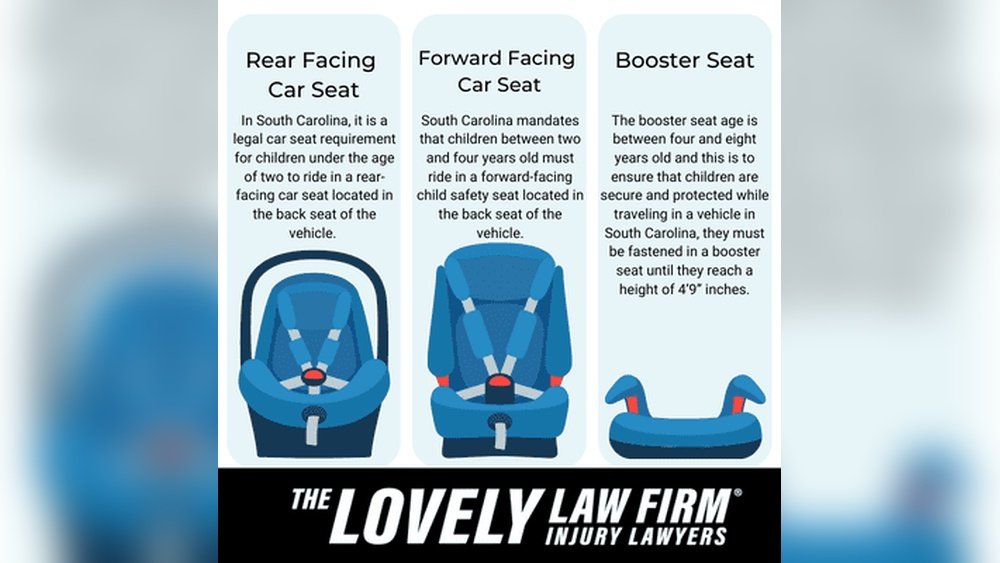
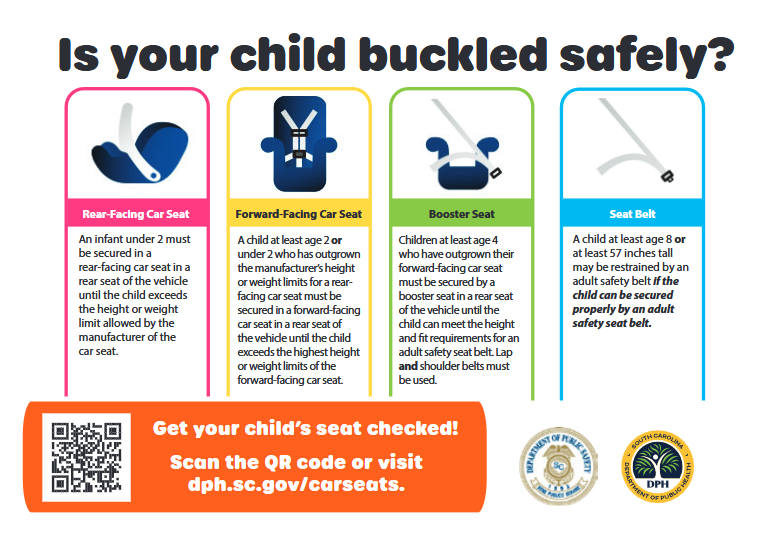
Children under 8 years old must use a booster seat. They cannot sit in regular car seats without a booster. This rule applies until the child reaches the height or weight limit.
Weight And Height Limits For Booster Seats
Children must weigh between 40 and 80 pounds to use a booster seat. They also need to be less than 57 inches tall. Once children pass these limits, they can use a seat belt alone.
Proper Use Of Booster Seats
The booster seat must be used with a lap and shoulder seat belt. The belt should fit snugly across the child’s chest and lap. Incorrect use reduces the seat’s protection in a crash.
Penalties For Not Following Booster Seat Laws
Violating booster seat laws can lead to fines in South Carolina. Law enforcement officers may issue tickets. Following the rules keeps children safe and avoids penalties.
Credit: rmcenter.com
Age And Height Criteria
South Carolina has clear rules for booster seats based on a child’s age and height. These rules help keep children safe in cars. Following them ensures proper protection during every trip.
Understanding the age and height criteria helps parents know when to switch to a booster seat. It also guides when a child can stop using one safely.
Age Requirements For Booster Seats
Children under 8 years old must use a booster seat in South Carolina. The law requires this to reduce injury risks during accidents. Kids aged 8 or older may use a seat belt without a booster if they fit properly.
Height Requirements For Booster Seats
Children shorter than 57 inches need a booster seat. This height ensures the seat belt fits correctly over their body. Proper fit prevents serious injuries in a crash.
When Can A Child Stop Using A Booster Seat?
A child can stop using a booster seat after turning 8 years old. They must also be at least 57 inches tall. Both age and height must be met for safe seat belt use alone.
Proper Booster Seat Installation
Proper booster seat installation keeps your child safe in the car. It helps protect them during sudden stops or crashes. Installing the seat correctly follows South Carolina laws and safety guidelines.
Each booster seat may have different steps for installation. Reading the manual is important before placing the seat in your vehicle. Correct installation ensures the seatbelt fits your child properly.
Check The Vehicle Seat And Seatbelt
Use a back seat for booster installation. Avoid the front seat if possible. The vehicle seat should be flat and firm. Make sure the seatbelt is a three-point type. This means it has a lap belt and a shoulder belt.
Position The Booster Seat Correctly
Place the booster seat in the middle or side of the back seat. The booster’s back should touch the vehicle seat back. The lap belt must lie low on your child’s hips. The shoulder belt should cross the chest, not the neck or face.
Secure The Booster Seat
Some booster seats have a latch system. Use it if your seat and vehicle support it. Otherwise, simply place the seat firmly on the vehicle seat. Make sure the seat does not move more than one inch side to side or front to back.
Check Your Child’s Position
Ensure your child sits upright with their back against the booster. Their knees should bend at the edge of the booster seat. The seatbelt should fit snugly but comfortably. Adjust the shoulder belt height if the booster seat allows it.
Penalties For Noncompliance
Penalties for not following booster seat laws in South Carolina are serious. These laws protect children and keep them safe in vehicles. Breaking the rules can lead to fines and other consequences. Understanding these penalties helps parents and drivers stay responsible and avoid trouble.
Fines For Violating Booster Seat Laws
South Carolina imposes fines for not using booster seats properly. The fine amount can vary but usually starts at $25. Repeat offenses may lead to higher fines. Paying the fine does not erase the importance of child safety.
Points On Driver’s License
Violating booster seat laws may add points to your driver’s license. Points can affect insurance rates and driving privileges. Accumulating too many points can lead to license suspension. Staying compliant helps keep your record clean.
Legal Responsibility Of Drivers And Parents
Drivers and parents must ensure children use booster seats correctly. Failure to comply can result in legal liability if injury occurs. Courts consider this negligence in accidents. Protecting children is a shared responsibility.
Tips For Choosing The Right Booster Seat
Choosing the right booster seat is important for your child’s safety and comfort. The right seat fits your child well and works with your car. This section shares simple tips to help you pick the best booster seat.
Booster seats come in many styles and sizes. Knowing what to check makes the choice easier. Keep your child’s age, height, and weight in mind. These factors guide you to the correct seat type.
Check Weight And Height Limits
Every booster seat lists weight and height limits. These limits show if the seat fits your child. Choose a seat that matches your child’s current size. This helps keep your child safe and comfortable.
Look For Safety Features
Good booster seats have strong, easy-to-use belts. Some have side protection for extra safety. Pick a seat with clear instructions and labels. This makes installation simple and secure.
Ensure Proper Fit In Your Car
Seats must fit well in your vehicle. Check if the booster seat stays stable on your car’s seat. Test how the seat belt fits your child while seated. The belt should lie flat across the chest and lap.
Choose Comfortable Materials
Soft, breathable fabric keeps your child comfortable. Look for padding that supports long trips. Removable covers help keep the seat clean and fresh.
Consider Ease Of Use
Seats with simple adjustment features save time. Look for lightweight models if you switch cars often. Easy-to-clean seats reduce hassle after spills or messes.
Credit: dph.sc.gov
Frequently Asked Questions
What Are South Carolina’s Booster Seat Requirements?
South Carolina law requires children under age 8 to use a booster seat. Kids must weigh at least 40 pounds to switch from a booster. The seat belt must fit properly for safety.
When Can A Child Stop Using A Booster Seat?
Children can stop using a booster seat at age 8 or when they reach 4 feet 9 inches tall. Proper seat belt fit is key for safety without a booster. Parents should check both height and age.
Where Should The Booster Seat Be Placed In The Car?
A booster seat should always be placed in the back seat. The back seat is safer for children under 13 years old. Front seats increase injury risk in a crash.
What Penalties Apply For Not Following Booster Seat Laws?
Violating booster seat laws in South Carolina can lead to fines. First offenses usually cost around $25, but fines may increase for repeat violations. Safety is the main priority to avoid penalties.
Are There Any Exceptions To South Carolina’s Booster Seat Law?
Exceptions exist for children with certain medical conditions that prevent booster seat use. A doctor’s note may be required for these cases. Always check local rules and consult with a physician.
How To Choose The Right Booster Seat For Your Child?
Choose a booster seat that fits your child’s weight and height. Look for seats that meet federal safety standards and have good reviews. Comfort and ease of use matter too.
Conclusion
South Carolina’s booster seat laws help keep children safe on the road. Kids must use booster seats until they reach the right height and age. Following these rules reduces injury risks during accidents. Parents and drivers should always check the latest legal requirements.
Safety is simple but very important. Protect your little ones by using booster seats properly every time. Stay informed, stay safe, and keep kids secure in every ride.

Ismail Hossain is the founder of Law Advised. He is an Divorce, Separation, marriage lawyer. Follow him.