Community Property Laws in Texas: What Every Spouse Must Know
Are you aware of how Texas community property laws could impact your finances and belongings? Whether you’re married, planning to marry, or just curious about property rights in the Lone Star State, understanding these laws is crucial.
They affect everything from buying a home to dividing assets if things don’t go as planned. Keep reading to discover what community property means in Texas and how it could shape your financial future. This knowledge will empower you to make smarter decisions and protect what’s yours.
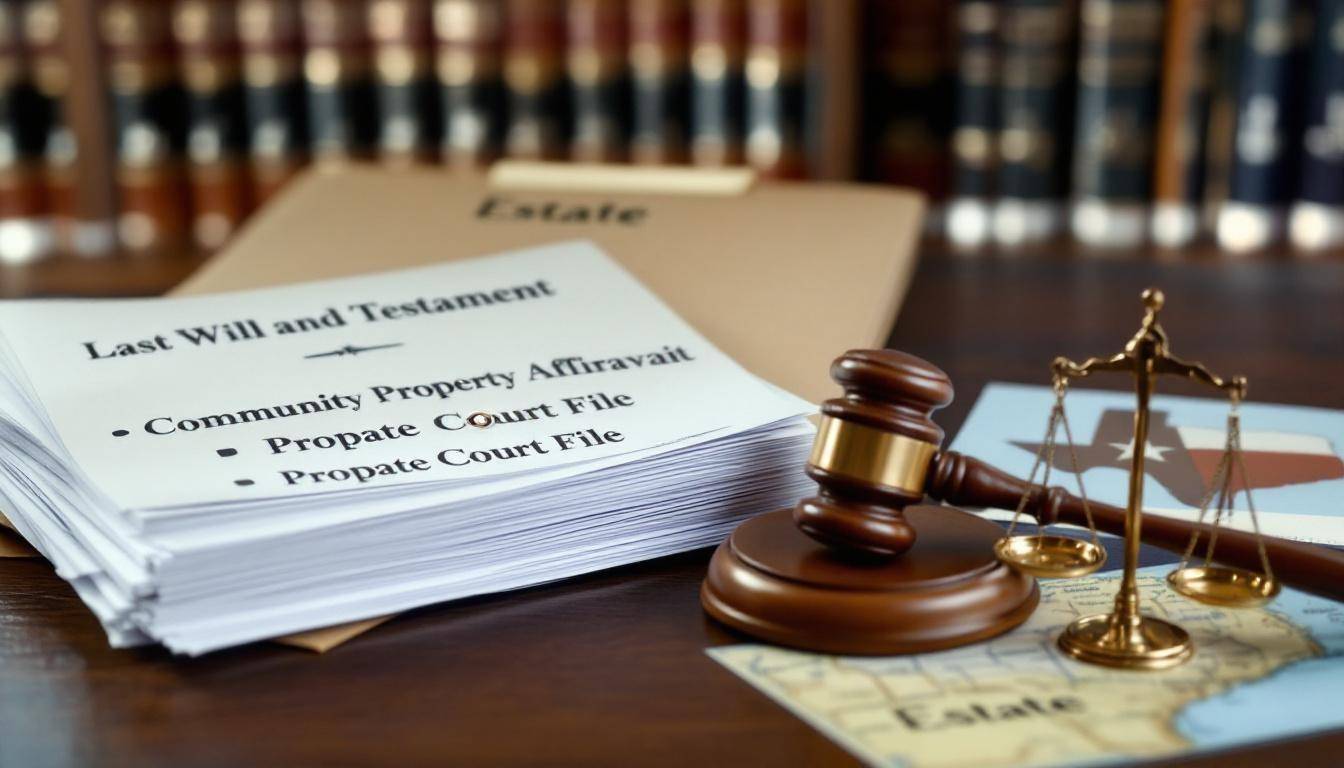
Credit: www.prattattorneys.com
Basics Of Texas Community Property
Texas follows a community property system for married couples. This system affects how property is owned and divided. Understanding this system is important for spouses. It impacts financial decisions and legal rights during marriage and divorce.
The basics of Texas community property law help clarify what belongs to whom. This knowledge protects individual property and ensures fair sharing of assets.
Definition Of Community Property
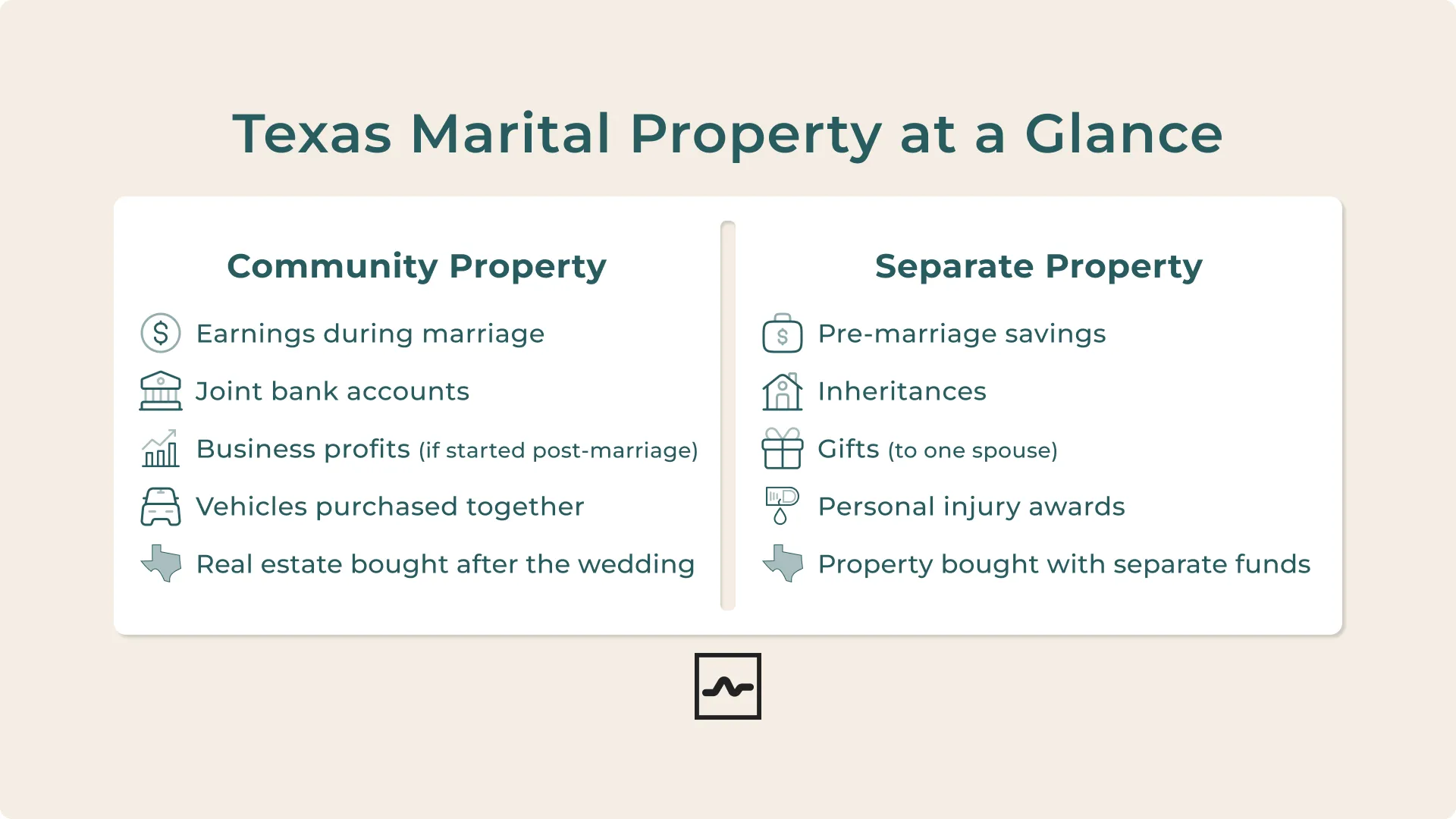
Community property means most property acquired during marriage belongs to both spouses equally. Both husband and wife share ownership. This includes income, real estate, and other assets gained after marriage. The law assumes equal contribution from both partners. The property is divided equally if the marriage ends.
Separate Property Vs Community Property
Separate property is owned by one spouse alone. It includes items owned before marriage or gifts and inheritances. Property bought with separate funds also stays separate. Community property is different. It belongs to both spouses, regardless of who earned the money. Distinguishing between these two types is key for legal clarity. It helps avoid disputes and protects each spouse’s rights.
How Property Is Divided In Texas
Texas follows community property laws to divide property between spouses. This system treats most property acquired during marriage as owned equally by both spouses. Understanding how property is divided helps couples know their rights and responsibilities.
Property division depends on whether the couple is still married or if they are divorcing or dealing with a death. The rules aim to be fair but differ based on the situation.
Rules During Marriage
During marriage, both spouses share ownership of community property. This includes income, real estate, and items bought with community funds. Each spouse has an equal right to use and control this property.
Separate property, like gifts or inheritances, stays with the individual spouse. It does not become community property unless mixed with community funds. Both spouses must agree to sell or transfer community property.
Division At Divorce Or Death
In divorce, Texas law divides community property equally. The court tries to split assets fairly but not always 50/50. Separate property stays with the original owner.
When a spouse dies, community property rules affect inheritance. The surviving spouse keeps their half of the community property. The deceased spouse’s half passes according to their will or Texas law.
Rights And Responsibilities Of Spouses
In Texas, community property laws define what belongs to both spouses during marriage. These laws give each spouse equal rights to shared property. Spouses also share responsibilities for managing these assets and debts. Understanding these rights and duties helps couples avoid conflicts and make fair decisions.
Managing Community Property
Both spouses have equal control over community property. This means they can use, sell, or manage the property together. Each spouse must agree to major decisions involving shared assets. This rule protects both partners and ensures fairness. Some property may require written consent before selling or transferring.
Spouses must act in good faith and respect each other’s interests. They should share information about the property openly. This helps maintain trust and clear communication. Managing property together means sharing benefits and risks equally.
Debts And Liabilities
Community debts belong to both spouses equally. Each spouse is responsible for debts made during marriage. Creditors can claim community property to pay off shared debts. This includes loans, credit card bills, and unpaid taxes.
Debts incurred before marriage usually remain the individual spouse’s responsibility. However, debts tied to community property affect both spouses. Couples should keep track of debts to avoid surprises. Understanding liability helps protect personal and shared finances.
Credit: lishmanlaw.com
Common Issues And Exceptions
Community property laws in Texas often raise common questions and have clear exceptions. Understanding these can help couples manage their assets better. These rules determine what belongs to both spouses and what remains separate.
Some property is not shared, even in a community property state like Texas. Knowing these exceptions can avoid confusion during marriage or divorce. Certain agreements and specific types of property fall outside community property rules.
Prenuptial Agreements
Prenuptial agreements allow couples to decide what property stays separate. These agreements must be in writing and signed before marriage. They can protect assets earned before or during marriage. Without this agreement, most property acquired during marriage is community property.
Prenups also clarify how debts are handled. They can limit disputes over finances in the future. Courts usually respect these agreements if they are fair and clear.
Gifts And Inheritances
Gifts and inheritances given to one spouse usually remain separate property. Even if received during the marriage, they do not become community property. The key is that the gift or inheritance must be kept separate.
If these assets are mixed with community property, they may lose their separate status. Careful record-keeping helps maintain their status as separate property. This rule protects family wealth passed down through generations.

Credit: kreiglaw.com
Frequently Asked Questions
What Is Community Property In Texas Law?
Community property means most assets earned during marriage belong to both spouses. Each spouse owns half, regardless of who earned it. This law applies to income, property, and debts acquired during marriage.
How Does Texas Divide Property After Divorce?
Texas splits community property equally between spouses in divorce. Separate property owned before marriage usually stays with its owner. Courts aim for a fair and equal division of assets.
Can Spouses Keep Property Separate In Texas?
Yes, spouses can keep property separate if acquired before marriage or by gift. Separate property is not divided during divorce. Clear proof is needed to show property is separate.
Does Community Property Affect Inheritance In Texas?
Community property does affect inheritance rights in Texas. A surviving spouse owns half of community property even if the deceased left a will. Separate property passes according to the will or state law.
Conclusion
Texas community property laws affect how couples share assets. These laws split property acquired during marriage equally. Understanding this helps avoid confusion during divorce or death. Not all property is shared; separate assets stay with one spouse. Knowing your rights can guide better financial decisions.
Talk to a lawyer for specific advice. Stay informed to protect your property and future. Clear rules make managing shared assets easier. Keep learning about Texas laws to stay prepared.

Ismail Hossain is the founder of Law Advised. He is an Divorce, Separation, marriage lawyer. Follow him.