Medical Marijuanas Laws in Texas: What You Must Know Today
If you’re curious about medical marijuana laws in Texas, you’ve come to the right place. Whether you’re a patient seeking relief or just want to understand your rights, knowing the rules can make all the difference.
Texas has some unique regulations that may surprise you. Keep reading to discover what’s allowed, what’s not, and how these laws could affect you or someone you care about. This guide will give you clear, straightforward answers—no confusing legal jargon, just the facts you need.
Don’t miss out on this essential information that could change how you think about medical marijuana in Texas.

Credit: texasoriginal.com
Current Medical Marijuana Laws
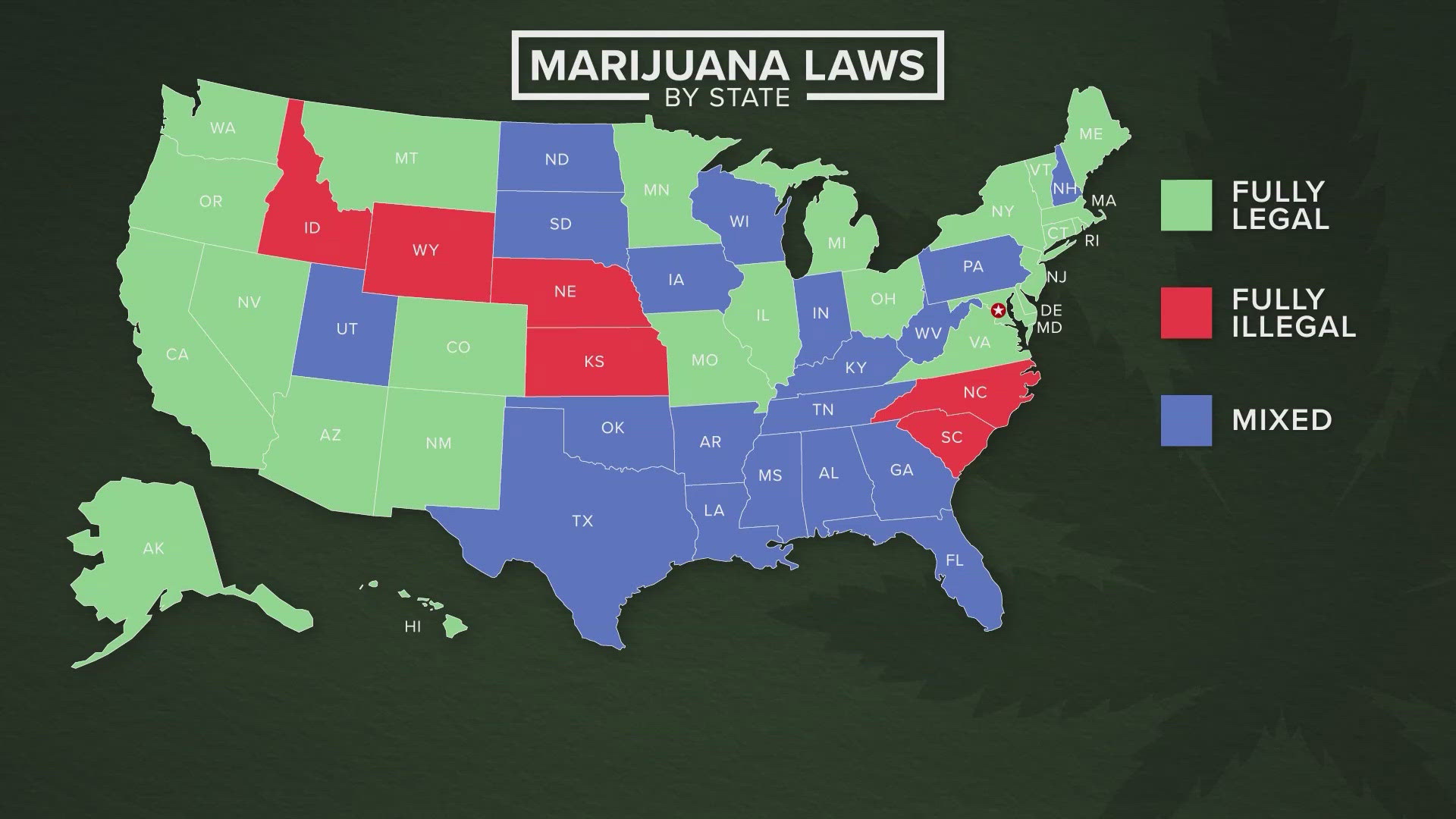
Texas has strict laws about medical marijuana. The state allows some medical use but with many limits. Patients and doctors must follow clear rules to stay legal. Understanding these rules helps patients get the medicine they need safely.
Qualifying Conditions
Texas allows medical marijuana for certain health problems only. These include epilepsy, multiple sclerosis, and cancer. Patients with terminal illnesses may also qualify. The state keeps a specific list of approved conditions. Only patients with these conditions can get medical marijuana.
Approved Forms And Dosages
Texas permits low-THC cannabis products, not regular marijuana. These products have very little THC, the part that causes a high. Patients can use oils, pills, or sprays. Smoking or edibles are not allowed by law. Dosage limits are strict and based on doctor recommendations.
Patient Eligibility Requirements
Patients must be Texas residents with a qualifying condition. A registered doctor must diagnose and certify the patient. Patients need to enroll in the Texas Compassionate Use Program. Caregivers can help patients but must also register. Age limits apply, with special rules for minors.
Obtaining Medical Marijuana In Texas
Obtaining medical marijuana in Texas requires a clear understanding of the state’s specific rules. Patients must follow a defined process to access legal medical cannabis. This process ensures safety and compliance with Texas law. Below are key steps to guide patients through obtaining medical marijuana in Texas.
Registration Process
Patients must first register with the Texas Compassionate Use Registry (TCUR). This system tracks qualified patients and their medical information securely. Registration requires proof of residency and a qualifying medical condition. The process includes submitting personal details and medical documents online. Once approved, patients receive a unique ID to use for medical marijuana access.
Finding Certified Physicians
Only doctors certified by the Texas Medical Board can recommend medical marijuana. Patients need to find these physicians to get an official prescription. The doctor evaluates the patient’s condition and medical history. If approved, the physician submits the recommendation to the TCUR. This step is essential before visiting any dispensary in Texas.
Dispensary Locations And Access
Medical marijuana is available at licensed dispensaries across Texas. These dispensaries operate under strict state regulations. Patients use their TCUR ID and doctor’s recommendation to purchase cannabis products. Dispensaries offer limited types of products allowed by law. Patients should check the nearest dispensary location for convenience.
Legal Restrictions And Penalties
Texas has strict laws on medical marijuana use. These laws set clear limits to keep people safe. Understanding these rules helps patients avoid trouble. It is important to know what is allowed and what is not.
The state controls how much marijuana a patient can have. It also defines where and how it can be used. Breaking these rules can lead to serious penalties. The following sections explain these points in detail.
Possession Limits
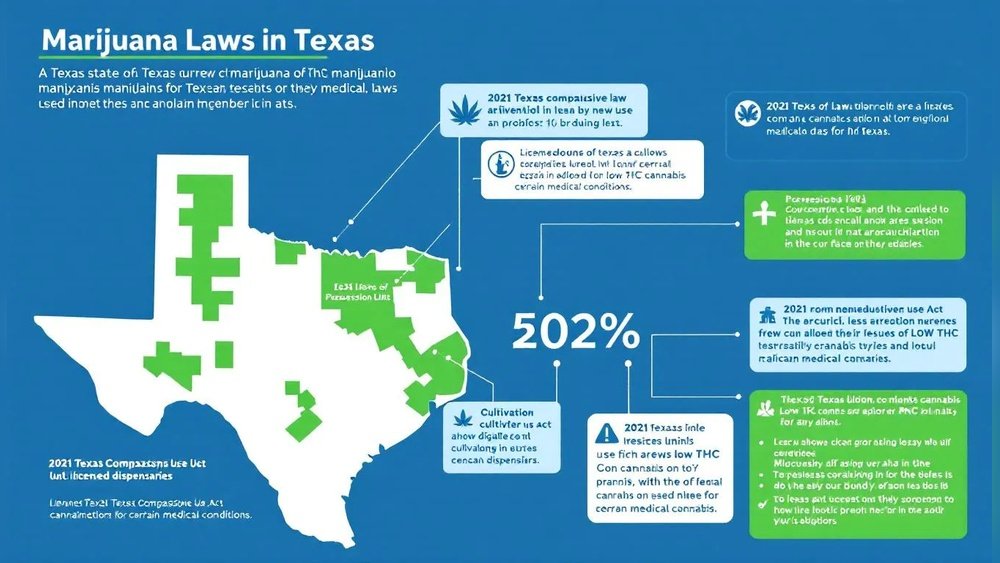
Texas allows only low-THC cannabis for medical use. Patients can possess no more than 2.5 ounces. The cannabis must have less than 0.5% THC. Possession above these limits is illegal. Doctors can only recommend, not prescribe, medical marijuana.
Use And Consumption Rules
Medical marijuana must be used only by the patient. Smoking marijuana is still illegal in Texas. Patients can use oils, tinctures, or capsules. Use is allowed only in private places. Public consumption can lead to fines or arrest.
Consequences Of Violations
Violating medical marijuana laws has serious penalties. Possession over the limit is a felony. It can lead to jail time and fines. Selling or giving marijuana to others is illegal. Even accidental misuse can cause legal trouble.

Credit: www.youtube.com
Future Changes And Advocacy
The future of medical marijuana laws in Texas is shifting. Changes are likely as more people speak out and lawmakers listen. Advocacy plays a key role in shaping these laws. Understanding what lies ahead helps patients, caregivers, and advocates prepare.
Many groups work hard to improve access to medical marijuana. Their efforts influence lawmakers and public opinion. Staying informed about pending bills and public views is important. Anyone interested can join the advocacy movement.
Pending Legislation
Several bills propose expanding medical marijuana use in Texas. These bills aim to include more qualifying conditions. Some also suggest increasing the allowed THC limits. Lawmakers debate these proposals in the state legislature. The progress of these bills affects future patient access.
Public Opinion Trends
Public support for medical marijuana is growing in Texas. Surveys show more Texans favor wider access. Younger generations tend to support legalization more strongly. This shift influences politicians and policy decisions. Public opinion often guides legislative changes.
How To Get Involved
Advocates can contact local representatives to share their views. Joining advocacy groups helps amplify your voice. Attending public hearings and town halls raises awareness. Educating friends and family spreads important information. Every action counts in changing medical marijuana laws.
Credit: www.khou.com
Frequently Asked Questions
What Medical Conditions Qualify For Medical Marijuana In Texas?
Texas allows medical marijuana for patients with specific conditions like epilepsy, multiple sclerosis, and terminal cancer. The list is limited and only certain conditions qualify under state law. Patients must have a qualifying diagnosis from a registered doctor.
How Can Patients Legally Obtain Medical Marijuana In Texas?
Patients need a prescription from a doctor registered with the Texas Compassionate Use Program. Medical marijuana is dispensed through licensed dispensaries in the state. It is illegal to buy or use it without proper authorization.
What Forms Of Medical Marijuana Are Allowed In Texas?
Only low-THC cannabis products are legal in Texas for medical use. These include oils, capsules, and topical forms with less than 0. 5% THC. Smoking or recreational use remains illegal under Texas law.
Can Out-of-state Patients Use Medical Marijuana In Texas?
Out-of-state patients are not eligible to buy or use medical marijuana in Texas. The program requires patients to be Texas residents with a registered doctor in Texas. Visitors must follow Texas laws and cannot bring cannabis products into the state.
Conclusion
Texas has strict rules about medical marijuana use. Only certain patients qualify under the law. The state limits the types and amounts allowed. Understanding these laws helps avoid legal trouble. Stay informed as rules may change over time. Speak with a doctor or lawyer for advice.
Knowing your rights supports safer choices. Medical marijuana in Texas is still very controlled. Patience and care are important when navigating these laws.

Ismail Hossain is the founder of Law Advised. He is an Divorce, Separation, marriage lawyer. Follow him.