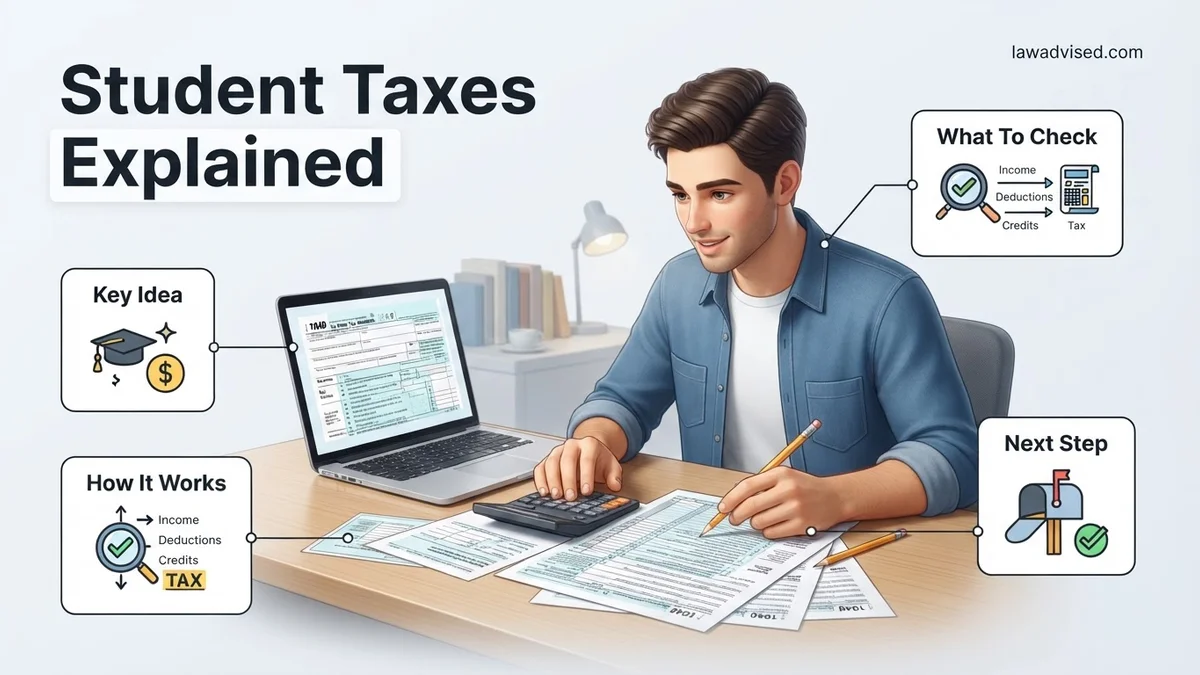
Student Taxes Explained 2026 A Step-by-Step Guide
Many college students are unsure whether they need to file a tax return or how to claim valuable education credits. Understanding your filing status, income thresholds, and key forms like the 1098-T can help you maximize your tax refund. This guide breaks down the essential rules every student needs to know.
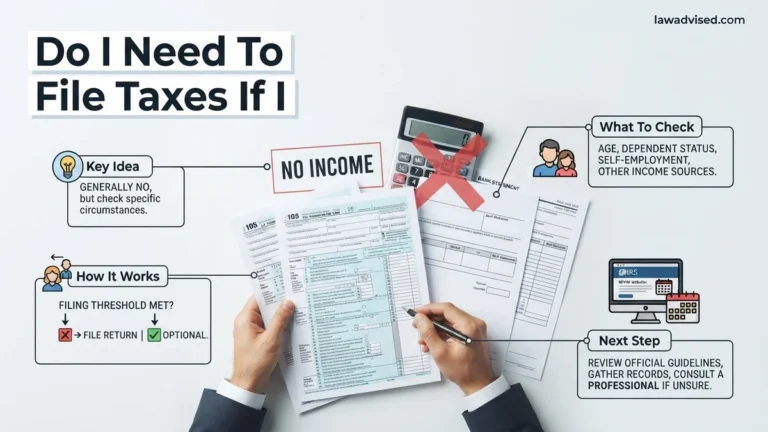
You do need to file a federal tax return in 2026 if your earned income crosses specific IRS thresholds, and doing so is the only way to claim valuable education credits or get a refund on withheld income tax. Even if you earned very little from a campus job, filing might put hundreds of dollars back in your pocket.
Tax season brings stress for millions of college students navigating W-2s, 1098-Ts, and confusing dependency rules for the first time. This guide breaks down exactly what the 2026 rules mean for your wallet so you can file correctly and maximize your cash back.
Key Takeaways
- Dependent students must file if earned or unearned income exceeds IRS thresholds.
- The American Opportunity Tax Credit offers up to $2,500 for eligible education expenses.
- Your Form 1098-T provides the crucial tuition figures needed to claim tax credits.
- Scholarships used for living expenses are taxable, while tuition grants are generally tax-free.
- Use free IRS Free File software to file your return without paying high software fees.
Why Students Get Confused About Filing Requirements and Income Thresholds
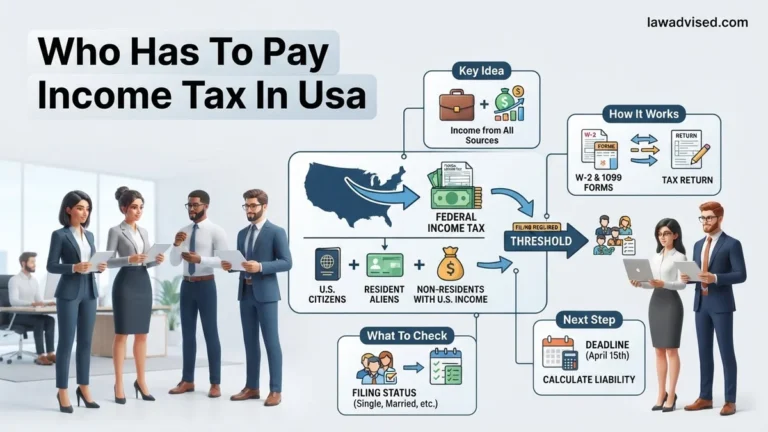
Sorting out whether you actually have to file a tax return depends entirely on your filing status, your total income, and whether someone else claims you as a dependent. The rules shift slightly every year, and mixing up dependent status with independent status is the easiest way to make a costly mistake.
Dependent Student Thresholds for 2026
If your parents or guardians claim you as a dependent on their 2026 tax return, your filing requirements are much lower than if you file on your own. You must file a federal income tax return if:
- Your unearned income (like interest or dividends) is more than 1,300 dollars.
- Your earned income (from a part-time job or work-study) is more than the standard deduction for dependents, which is projected at 15,00ofor 2026.
- Your gross income is more than the larger of 1,300 dollars or your earned income up to 14,650dollars plus 350 dollars.
If you earned less than 15,000 dollars from your campus job and have no unearned income, you technically are not required to file. However, if your employer withheld federal income tax from your paychecks, you must file a return to get that money refunded.
Independent Student Thresholds for 2026
If no one else can claim you as a dependent, you are treated as an independent filer. For the 2026 tax year, the single filer standard deduction sits at approximately 15,000 dollars. If your total gross income for the year falls below that standard deduction threshold and you have no self-employment income over 400 dollars, you do not have to file. Exceed that amount, and filing becomes mandatory.
How to Identify W-2s, 1098-Ts, and Other Essential Tax Forms
Gathering the right paperwork before you log into tax software prevents frustrating delays and rejected returns. Different types of income and education expenses require very specific IRS forms that your employer, school, or bank will issue.
Income Forms: W-2s and 1099s
Every job you worked during the previous calendar year will send you a Form W-2 by late January. This document shows your total earnings and the exact amount of federal, state, and local taxes withheld from your paychecks. If you picked up freelance work, graphic design gigs, or rideshare driving, you will receive a Form 1099-NEC instead if you earned over 600 dollars from a single client. Keep track of every form to ensure your reported income matches what the IRS has on file.
Education Forms: Form 1098-T
Your university will generate a Form 1098-T, usually by January 31, detailing the tuition and qualified related expenses you paid during the year. Box 1 shows payments received for qualified tuition and related expenses, which you need to calculate education tax credits like the American Opportunity Tax Credit. Note that book purchases and living expenses often do not appear on this form, so you must track those receipts independently.
Step-by-Step Guide to Claiming Education Credits and Filing Your Return
Filing your taxes as a student in 2026 requires careful coordination of your financial documents. According to IRS guidelines, claiming education credits correctly can reduce your tax liability dollar-for-dollar. Follow these structured steps to prepare and submit your return accurately.
1. Gather All Necessary Tax Forms
Collect your Form 1098-T from your university, which details your eligible tuition payments and scholarships. If you worked during the year, retrieve your W-2 forms from employers and any 1099 forms if you engaged in freelance work.
2. Determine Your Dependency Status
Coordinate with your parents or guardians to confirm whether you are claimed as a dependent. This status dictates which credits and deductions you are legally eligible to claim on your 2026 federal tax return.
3. Select IRS-Approved Free Filing Software
Utilize IRS Free File or reputable tax software platforms that accommodate student tax situations. Ensure you input your 1098-T data precisely into the software to automatically calculate your eligibility for the American Opportunity Tax Credit or the Lifetime Learning Credit.
What to Do If Your Return Is Rejected or You Owe Back Taxes
Tax filing errors or unexpected liabilities can happen to any student. Resolving these issues quickly prevents IRS penalties and interest charges from accumulating on your account.
Handling an IRS E-File Rejection
If your 2026 electronic return is rejected, review the specific rejection code provided by the software. Common student errors include mismatched Social Security numbers or incorrectly transcribed 1098-T Employer Identification Numbers. Correct the data in your software and resubmit immediately.
Managing Unpaid Tax Liabilities
If your calculations show you owe taxes, do not ignore the bill. File your return on time even if you cannot pay the full amount to avoid failure-to-file penalties. You can apply for a short-term payment plan or an installment agreement directly through the IRS online portal.
What If It Still Doesn’t Work?
If software glitches, complex scholarship structures, or multi-state residency rules prevent you from completing your 2026 taxes, specific fallback measures ensure compliance:
- Utilize VITA Programs: Visit a local Volunteer Income Tax Assistance site for free, in-person tax help certified by the IRS for students earning under the annual income threshold.
- File an Extension: Submit Form 4868 by the April 2026 deadline to secure an automatic six-month extension, giving you until October to sort out complex document discrepancies.
- Consult a CPA: Hire a certified public accountant specializing in student tax laws if you have foreign student status or complex investment income. Professional fees typically range from $150 to $400 for standard student returns.
- Contact IRS Taxpayer Assistance: Call the IRS dedicated helpline or schedule an appointment at a local Taxpayer Assistance Center for direct governmental guidance.
Conclusion
Navigating student taxes in 2026 demands precision regarding education credits, dependency rules, and proper document collection. Resolving rejections or tax debts promptly safeguards your financial standing. According to verified research and expert sources from the IRS, taking a methodical approach to your paperwork ensures maximum tax savings without compliance risks. Your actionable next step is to log into your university portal today to download your Form 1098-T.
❓ Frequently Asked Questions
Do my parents have to claim me as a dependent on their taxes?
Parents can claim you as a dependent if you meet specific support and age tests, but you can still file your own tax return to claim refunds on withheld income taxes regardless.
What is the difference between the AOTC and the Lifetime Learning Credit?
The American Opportunity Tax Credit is for the first four years of higher education and offers up to $2,500, while the Lifetime Learning Credit has no limit on years and applies to any post-secondary education.
What happens if I earned very little money working a part-time campus job?
If you earned below the filing threshold and your employer withheld federal income tax from your paycheck, you should still file a tax return to claim a refund of that money.
Are grants considered taxable income by the IRS?
Grants used directly for qualified education expenses like tuition and fees are tax-free, but any portion spent on living expenses or travel must be reported as taxable income.
Can international students living in the U.S. use standard tax software?
Most standard tax software programs are designed for U.S. citizens and residents; international students typically need specialized software like Sprintax to file non-resident tax returns.
How do I file my taxes for free as a student?
Students who meet specific income limits can use IRS Free File software or IRS VITA sites to prepare and file federal and state tax returns at no cost.

Ismail Hossain is the founder of Law Advised. He is an Divorce, Separation, marriage lawyer. Follow him.