Wisconsin Eviction Laws in Winter: What Tenants Must Know
Winter in Wisconsin can be tough enough without the added stress of facing eviction. You might wonder if the cold months offer any protection from being forced out of your home.
Understanding Wisconsin eviction laws in winter is crucial so you know your rights and what to expect. Whether you’re a tenant worried about losing your home or a landlord navigating the eviction process, knowing how the law works during these colder months can make all the difference.
Keep reading to get clear, straightforward answers about evictions in Wisconsin during winter—and learn what steps you can take to protect yourself and your household.
Winter Eviction Basics
Winter eviction in Wisconsin follows clear rules. Tenants and landlords must understand these basics to avoid surprises. The cold season does not pause eviction processes here.
Knowing how eviction works during winter helps protect rights. This section explains key points about Wisconsin eviction laws in colder months.
Eviction Laws Year-round
Wisconsin eviction laws apply all year without breaks. Courts do not stop eviction cases in winter. Landlords can start eviction at any time. Tenants must respond quickly to eviction notices.
No Seasonal Protections
No special laws protect tenants from eviction in winter. The state does not restrict removing tenants because of cold weather. Renters should not expect extra time to move out. Both parties must follow the same rules regardless of season.
Utility Moratoriums During Winter
Some utility protections exist in winter to keep heat on. Moratoriums may stop utility shutoffs for heating services. These rules help avoid unsafe living conditions. They do not stop eviction or eviction court orders. Tenants still need to pay rent and follow lease terms.
Credit: www.tenantcloud.com
Grounds For Eviction In Winter
Eviction in Wisconsin does not pause during winter months. The law allows landlords to start eviction processes any time of the year. Winter weather does not create special protections against eviction. Tenants and landlords should understand the valid grounds for eviction during this season. Knowing these reasons can help both parties prepare and respond appropriately.
Valid Reasons For Eviction
Landlords must have a legal reason to evict tenants. Wisconsin law lists specific grounds for eviction. These include lease violations and nonpayment of rent. Other reasons may involve damage or illegal activities on the property. The landlord must follow legal steps to prove the reason is valid. Courts require proper notice before eviction proceedings begin.
Lease Violations
Breaking the lease terms is a common reason for eviction. This can include unauthorized pets, property damage, or noise complaints. Tenants must follow all rules set in the lease agreement. Landlords should provide written notice describing the violation. The tenant may have a chance to fix the issue before eviction moves forward. Repeated or serious breaches can lead to immediate eviction.
Nonpayment Of Rent
Failing to pay rent on time is a main cause for eviction. Wisconsin landlords can give a notice to pay or quit. This notice gives tenants a few days to pay overdue rent. If payment is not made, the landlord may file an eviction lawsuit. Courts typically side with landlords if rent remains unpaid. Tenants should communicate early if they face payment difficulties.
Eviction Process Timeline
The eviction process timeline in Wisconsin follows specific legal steps. These steps apply throughout the year, including winter months. Understanding the timeline helps tenants and landlords know what to expect. The process begins with notice requirements, moves to court proceedings, and ends with removal after judgment. Each phase has clear rules and deadlines.
Notice Requirements
A landlord must give proper written notice to start eviction. The notice period depends on the reason for eviction. For nonpayment of rent, a five-day notice is required. For lease violations, a 14-day notice is typical. The notice must clearly state the issue and action needed. This step gives tenants time to fix the problem or prepare for court.
Court Proceedings
If the tenant does not comply, the landlord files an eviction lawsuit. The court schedules a hearing within a few weeks. Both parties present their case before a judge. Tenants can explain their side and offer evidence. The judge then decides if eviction is justified. This step ensures fairness and legal protection for both sides.
Removal After Judgment
If the court rules for eviction, the landlord gets a writ of restitution. This document allows law enforcement to remove the tenant. Removal usually happens within a few days after the judgment. Winter does not delay this process by law. Law officers must follow legal procedures to carry out the removal safely and respectfully.
Tenant Rights And Responsibilities
Tenant rights and responsibilities in Wisconsin remain important during winter months. Tenants must know how to handle eviction notices and keep clear communication with landlords. Understanding legal options can help protect tenants in tough situations.
Responding To Eviction Notices
Tenants should carefully read any eviction notice received. Notices often explain the reason for eviction and the deadline to respond. Acting quickly can prevent further legal action. Tenants can dispute incorrect claims or ask for more time to move out. Ignoring notices can lead to court judgments against tenants.
Maintaining Communication
Open communication with landlords is crucial during eviction. Tenants should inform landlords about any difficulties paying rent or other issues. Clear and polite messages can sometimes lead to payment plans or delays. Landlords may prefer resolving problems without court involvement. Written records of communication provide proof if disputes arise later.
Seeking Legal Help
Legal advice can guide tenants through eviction processes. Many nonprofits and legal aid groups offer free or low-cost services. Lawyers can explain tenant rights and suggest options like mediation or court defense. Early legal help improves chances of a fair outcome. Tenants should gather all rental agreements and notices before seeking assistance.
Winter Challenges For Tenants
Winter brings unique hardships for tenants facing eviction in Wisconsin. Cold temperatures and harsh weather make housing insecurity more dangerous. The lack of legal protection against winter evictions adds to the stress.
Tenants must cope with heating issues, limited housing options, and safety risks. These challenges can affect physical health and mental well-being. Understanding these problems helps tenants prepare better for winter eviction scenarios.
Heating And Utility Concerns
Loss of heating is a major problem for evicted tenants in winter. Wisconsin laws require landlords to provide heat during cold months. But utility shut-offs can still happen if bills are unpaid.
Without heat, tenants face freezing temperatures inside their homes. This can lead to health issues like hypothermia or respiratory problems. Emergency shelters may not be available or nearby.
Finding Alternative Housing
Winter limits options for finding new housing. Many landlords hesitate to rent during cold months. Temporary shelters fill quickly due to high demand.
Travel becomes difficult in snow or icy conditions. Moving large belongings can be unsafe or impossible. Tenants may need to rely on friends or family for shelter.
Weather-related Safety Issues
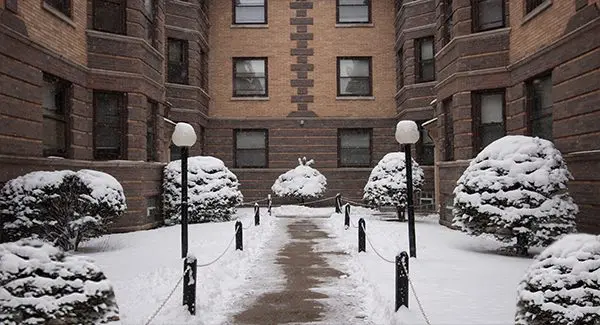
Snow and ice increase risks during eviction. Slippery sidewalks and roads cause falls and injuries. Emergency services may take longer to respond.
Exposure to severe weather can worsen health conditions. Lack of access to warm clothing or transportation adds danger. Tenants must plan carefully to stay safe during winter evictions.
Credit: www.ksnlaw.com
Tips To Avoid Winter Eviction
Winter eviction in Wisconsin can be tough and stressful. The cold months bring extra challenges for tenants facing eviction. Taking steps early can help avoid losing your home during winter. Use every resource and strategy to stay safe and secure.
Below are key tips to help prevent eviction during the cold season. These tips focus on financial help, communication, and keeping records. They are simple but effective ways to protect your housing.
Rent Assistance Programs
Many programs offer help to pay rent for those struggling in winter. These include government aid and local charities. They provide funds to cover late or overdue rent. Contact local housing offices or community centers to learn about available programs. Applying early increases chances of approval.
Negotiating With Landlords
Talking openly with your landlord can prevent eviction. Explain your situation calmly and clearly. Ask for a payment plan or a short delay. Many landlords prefer working with tenants rather than evicting. A written agreement helps avoid future problems. Keep discussions polite and professional.
Documenting Payment And Communication
Keep a record of all rent payments and talks with your landlord. Save receipts, bank statements, and emails. Write down dates and details of phone calls or meetings. This proof can be vital if eviction goes to court. Good documentation shows you tried to meet your responsibilities.
Common Eviction Myths
Many renters in Wisconsin believe winter protects them from eviction. These ideas are common but not always true. Understanding the facts helps tenants and landlords avoid confusion. Clearing up myths about eviction during cold months is important. This section explains some popular myths and the real laws behind them.
Winter Evictions Are Illegal
Some think landlords cannot evict tenants in winter. This is false. Wisconsin law allows evictions all year. No state rule stops eviction just because it is cold. Courts process eviction cases the same way in winter. Tenants must follow lease terms and pay rent regardless of the season.
Courts Delay Evictions In Cold Months
Many believe courts slow down evictions during winter. This is not true in Wisconsin. Courts handle cases based on their schedule and workload. Weather does not change the legal process timeline. Eviction hearings happen as soon as possible. Delays happen but are not tied to the winter season.
Heat Utility Shut-offs Prohibit Evictions
Some renters think that landlords cannot evict if heat is shut off. This is a myth. Wisconsin law prohibits shutting off heat in winter. But landlords can still start eviction for other reasons. Heat utility rules protect tenant safety but do not stop eviction actions. Tenants should report utility problems to proper authorities.
Credit: wilawlibrary.gov
Frequently Asked Questions
What Months Can You Not Evict Someone In Wisconsin?
Wisconsin has no law banning evictions during any month. Landlords can evict tenants year-round, including winter months.
Can My Landlord Evict Me During The Winter?
Landlords in Wisconsin can evict tenants during winter. No law stops evictions based on season. Eviction must follow legal procedures.
How Long Does It Take To Evict A Tenant In Wisconsin?
Evicting a tenant in Wisconsin typically takes 3 to 6 weeks, depending on court schedules and tenant response.
What Not To Say To Your Landlord?
Avoid threatening, demanding rent reductions without cause, admitting damage, lying, or discussing illegal activities with your landlord.
Conclusion
Winter does not stop eviction cases in Wisconsin. Landlords can start evictions any time of year. Courts do not delay or block evictions during cold months. Tenants should know their rights and act quickly. Heating and utilities must stay on during winter.
Understanding the process helps tenants and landlords avoid surprises. Stay informed to handle winter eviction challenges better.

Ismail Hossain is the founder of Law Advised. He is an Divorce, Separation, marriage lawyer. Follow him.