Domestic Violence Laws in Wisconsin: Essential Rights & Protections
If you or someone you care about is facing domestic violence in Wisconsin, understanding the laws that protect you is crucial. Domestic violence laws in Wisconsin can be complex and different from what you might expect.
Knowing your rights, the legal definitions, and the protections available can make a real difference in your safety and peace of mind. This article will guide you through the key points of Wisconsin’s domestic violence laws, what actions you can take, and how the legal system works to keep you safe.
Read on to empower yourself with knowledge that could change your life.
Domestic Violence Definitions In Wisconsin
Wisconsin laws define domestic violence clearly to protect victims. Understanding these definitions helps identify when abuse occurs. The state focuses on specific actions and relationships.
Knowing the legal terms can guide victims and the public on what counts as domestic violence. This section breaks down the key points of Wisconsin’s domestic violence laws.
Legal Criteria For Domestic Violence
In Wisconsin, domestic violence includes physical harm or threats. The law covers acts like hitting, pushing, and other violence. Threats of harm also count as domestic violence.
Offenders can face criminal charges if these acts occur. The law aims to stop abuse quickly and protect victims.
Types Of Relationships Covered
The law protects people in close relationships. This includes spouses, former spouses, and people living together. Family members like parents and children are also covered.
Even dating partners fall under the protection of these laws. The goal is to cover all common domestic situations.
Common Forms Of Abuse Recognized
Wisconsin recognizes several abuse types beyond physical violence. Emotional abuse, threats, and harassment are included. Sexual abuse and controlling behavior also fall under these laws.
Each form of abuse is taken seriously to provide full protection to victims.
Credit: www.kohlerandhart.com
Wisconsin Domestic Violence Laws
Wisconsin has specific laws to address domestic violence. These laws aim to protect victims and hold offenders accountable. The state defines domestic violence broadly to include physical harm, threats, and controlling behavior. Understanding these laws helps victims know their rights and the legal options available.
Criminal Charges And Modifiers
Wisconsin classifies domestic violence as a criminal offense. Charges depend on the severity and nature of the act. Common charges include assault, battery, and harassment. Special modifiers apply if the crime involves a family member or intimate partner. These modifiers often increase the seriousness of the charges.
Penalties And Sentencing Guidelines
Penalties for domestic violence vary by offense level. They range from fines to jail time. First-time offenders may face lighter sentences. Repeat offenders usually receive harsher penalties. The court may also order restraining orders or counseling. Sentencing focuses on protecting victims and preventing future abuse.
Key Statutory Provisions
Wisconsin statutes provide detailed rules on domestic violence. Laws cover definitions, reporting procedures, and victim protection. The statutes require law enforcement to act quickly. They also allow victims to seek protective orders. The legal framework supports both criminal prosecution and civil remedies.
Protective Orders And Restraining Orders
Protective orders and restraining orders play a crucial role in safeguarding victims of domestic violence in Wisconsin. These legal tools help prevent further abuse by limiting contact between the victim and the abuser. Courts issue these orders to ensure safety and peace of mind for those at risk.
Understanding the types of protective orders, the filing process, and how these orders are enforced is essential. This knowledge empowers victims and their families to take the right steps toward protection.
Types Of Protective Orders Available
Wisconsin offers several types of protective orders for domestic violence cases. The most common is the Domestic Abuse Restraining Order (DARO). It aims to stop the abuser from contacting or harming the victim.
Another option is the Harassment Restraining Order, which covers threats and unwanted contact. Temporary restraining orders provide immediate protection until a court hearing.
Filing Process And Requirements
To file for a protective order, the victim must submit a petition to the county court. The petition should include details about the abuse or threats. No lawyer is needed to file, but legal help can be useful.
The court may grant a temporary order quickly if there is an immediate threat. A hearing will follow to decide on a longer-term order. The victim must appear in court to explain the situation.
Enforcement And Violations
Protective orders are legally binding. Law enforcement officers must enforce them. If the abuser violates the order, they can face arrest and criminal charges.
Victims should report any violations immediately to the police. Keeping a copy of the order with you at all times helps during enforcement. Courts take violations seriously to ensure victim safety.
Law Enforcement And Reporting
Law enforcement plays a key role in addressing domestic violence in Wisconsin. Officers respond to calls, protect victims, and enforce the law. Reporting domestic violence is the first step to getting help and stopping abuse. Understanding how police handle these cases can empower victims and witnesses to take action.
Role Of Police In Domestic Violence Cases
Police officers must act quickly to ensure safety. They assess the situation and separate the involved parties. Officers investigate to identify the main aggressor. They may make arrests based on evidence and victim statements. Protecting victims from further harm is the top priority. Law enforcement enforces restraining orders and other legal protections. Their presence can prevent violence from escalating.
Filing Complaints And Incident Reports
Victims or witnesses can file a complaint at any police station. Officers document the details in an incident report. This report is a formal record used in court. It describes the violence, injuries, and any threats made. Filing a report starts the legal process against the abuser. The police may also provide information about victim rights and support. Prompt reporting improves the chances of justice and safety.
Collaboration With Advocacy Services
Police work closely with local advocacy groups for victims. These services offer counseling, shelter, and legal help. Officers refer victims to these resources during or after the report. Collaboration helps victims get the care they need quickly. Advocates also assist in navigating the court system. This team approach strengthens victim protection and recovery. It makes the response to domestic violence more effective and compassionate.
Victim Rights And Support Services
Victims of domestic violence in Wisconsin have important rights and access to various support services. These protections and resources help ensure their safety and recovery. Understanding these rights and services can empower victims to seek help and justice effectively.
Legal Rights Of Victims
Victims have the right to file for protective orders to prevent further abuse. They can request restraining orders that limit the abuser’s contact. Victims may also participate in court proceedings and speak about their experiences. The law requires law enforcement to respond promptly and protect victims. Victims have the right to confidentiality and privacy throughout the process.
Access To Counseling And Shelter
Wisconsin offers counseling services to support victims’ mental health. These services provide a safe space to heal and regain strength. Shelters are available for victims who need immediate safety and housing. Shelters offer food, clothing, and emotional support. Many programs also assist with long-term housing and job training.
Community Resources And Assistance
Local agencies provide resources such as legal aid and crisis hotlines. Victims can find support groups to connect with others who share similar experiences. Community centers often organize educational programs about domestic violence prevention. Some organizations offer help with childcare and transportation. These resources work together to support victims on their path to recovery.
Challenges In Wisconsin Domestic Violence Law
Wisconsin’s domestic violence laws face several challenges that impact victims and the justice system. These challenges create barriers to effective protection and prosecution. Understanding these issues highlights the need for improvements in the legal framework.
Gaps In Misdemeanor Domestic Violence Laws
Wisconsin law treats some domestic violence cases as misdemeanors. This classification limits penalties and resources for victims. Certain harmful behaviors may not meet the criteria for felony charges. This leaves victims with less protection and fewer legal options. The gap allows some offenders to avoid harsher consequences.
Issues With Enforcement And Prosecution
Law enforcement officers sometimes face difficulties in identifying the main aggressor. This can affect arrest decisions and victim safety. Prosecutors may lack evidence or witness cooperation, weakening cases. Inconsistent application of laws reduces trust in the system. These enforcement challenges hinder effective justice for survivors.
Advocacy For Legal Reforms
Advocates push for clearer definitions and stronger penalties. They seek better training for police and prosecutors. Improving victim support services is also a key focus. Lawmakers consider reforms to close legal loopholes. These efforts aim to enhance safety and justice in Wisconsin.
Handling Domestic Violence Cases
Handling domestic violence cases in Wisconsin requires careful steps and proper legal guidance. Victims need clear information about what to do after an violent incident. The legal process can be complex. Understanding the court system helps survivors feel prepared and supported. This section explains key actions, working with legal professionals, and court procedures involved in domestic violence cases.
Steps To Take After An Incident
First, ensure your safety. Find a safe place away from danger. Call 911 or local police to report the violence. Request a medical checkup, even if injuries seem minor. Document the incident with photos or notes. Save any threatening messages or evidence. Consider contacting a local domestic violence shelter for support. Filing a Protection Order can help keep the abuser away. Acting quickly protects your rights and safety.
Working With Attorneys And Legal Aid
Legal help is important in domestic violence cases. An attorney explains your rights and guides you through the process. Many organizations offer free or low-cost legal aid in Wisconsin. Lawyers help file Protection Orders and represent you in court. They also assist with custody or divorce issues if needed. Choose someone who understands domestic violence laws well. Getting professional help increases your chance of a positive outcome.
Court Procedures And Hearings
Court hearings follow the filing of a Protection Order or charges. Judges review evidence and listen to both sides. The court may issue temporary orders to protect the victim. Hearings can decide custody, visitation, or restraining orders. Victims might need to testify or provide statements. Courts aim to prevent further abuse and ensure justice. Knowing what to expect reduces stress during this process.

Credit: therhlawoffice.com
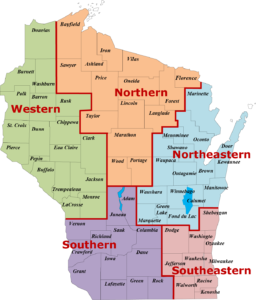
Credit: www.endabusewi.org
Frequently Asked Questions
How Long Do You Go To Jail For Domestic Violence In Wisconsin?
In Wisconsin, jail time for domestic violence depends on the underlying charge. Sentences range from no jail for misdemeanors to years for felonies. Courts consider the offense severity and prior convictions when sentencing.
What Is The Criteria For Domestic Violence In Wisconsin?
Wisconsin defines domestic violence as abuse between family or household members. Abuse includes physical harm, threats, or sexual assault. The law applies when the parties share a close relationship, like spouses or roommates. Domestic violence acts serve as modifiers to other criminal charges.
What Are The Laws Around Domestic Violence?
Domestic violence laws protect victims from abuse by family or partners. Charges depend on specific acts, like assault or harassment. Courts may issue restraining orders and impose penalties. Law enforcement prioritizes victim safety and evidence. Wisconsin applies domestic violence as a charge modifier, not a separate crime.
How To Handle A Domestic Violence Case?
Report the abuse at your local police station immediately. Police will file a complaint and guide you through legal protection options. Seek support from domestic violence organizations and legal professionals for safety and advice.
Conclusion
Domestic violence laws in Wisconsin aim to protect victims and hold offenders accountable. The state provides clear definitions and legal steps to address abuse. Victims can seek help through law enforcement and legal processes. Understanding these laws helps individuals recognize their rights and options.
Staying informed can lead to safer communities and stronger support systems. Remember, help is available, and no one should face abuse alone.

Ismail Hossain is the founder of Law Advised. He is an Divorce, Separation, marriage lawyer. Follow him.