What are the Abortion Laws in Virginia: Essential Guide 2026
Are you wondering what the current abortion laws in Virginia mean for you? Whether you’re seeking information for yourself or someone you care about, understanding these laws can feel overwhelming.
Virginia’s abortion laws are shaped by a mix of state regulations, protections, and restrictions that affect when and how abortion services can be accessed. You’ll get clear, straightforward answers about what’s legal, what to expect, and where to find trusted care in Virginia.
Keep reading to gain the knowledge you need to make informed decisions about your reproductive health.

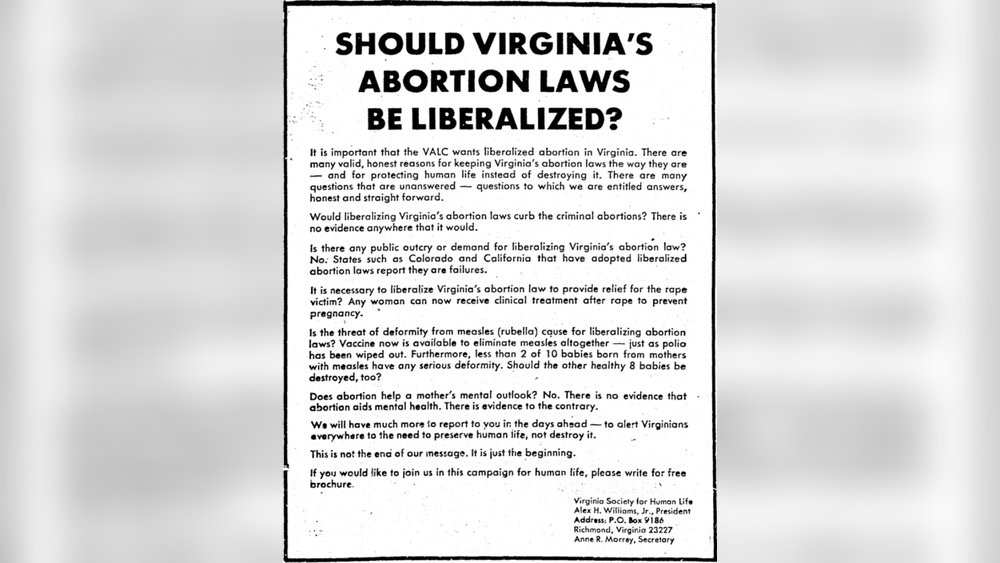
Credit: www.wric.com
Current Abortion Laws
Virginia’s current abortion laws set clear rules on when and how abortions can happen. The state protects abortion access but has limits based on pregnancy stages. Understanding these laws helps women know their rights and options.
Legal Timeframes For Abortion
In Virginia, abortion is allowed up to 25 weeks of pregnancy. After 25 weeks, abortion is legal only if the mother’s life or health is at serious risk. Early abortions can be done with medication or surgery. The state requires a waiting period of 24 hours after counseling before having an abortion.
Third Trimester Regulations
Abortions in the third trimester face stricter rules. They are only allowed if the fetus has a fatal condition or the mother’s health is in danger. Abortions after 25 weeks must be performed in a hospital. These laws aim to balance rights with medical safety.
Provider Requirements
Virginia requires abortion providers to have a medical license and follow strict safety standards. Clinics must meet state health regulations and report data to the government. Doctors must provide counseling and information about alternatives before the procedure. These rules ensure safe and informed care for patients.

Credit: virginiamercury.com
Access And Availability
Access to abortion services in Virginia depends on several factors. Availability of clinics, medication rules, and costs all play roles. Understanding these helps people find care without delays. The state has laws supporting safe and legal abortion access.
Licensed Facilities And Clinics
Virginia requires abortions to happen at licensed clinics or hospitals. Early abortions usually take place in specialized clinics. Later abortions, especially after the first trimester, must occur in hospitals. This ensures patient safety and quality care. Clinics in major cities provide most services. Rural areas may have fewer options, causing travel challenges.
Medication Abortion Rules
Medication abortion, also called the abortion pill, is legal in Virginia. It is available up to 10 weeks of pregnancy. Patients must follow a doctor’s prescription and guidelines. Telehealth services can offer consultations and prescriptions. However, the medicine must be taken under medical supervision. This method offers privacy and convenience for many.
Cost And Insurance Coverage
Costs for abortion in Virginia vary by facility and type of procedure. Medication abortion tends to be less expensive than surgical abortion. Many insurance plans, including Medicaid, cover abortion care under certain conditions. Some clinics offer sliding scale fees based on income. Financial assistance programs exist to help those in need. Knowing your options can reduce financial stress.
Protections For Patients And Providers
Virginia’s abortion laws include strong protections for patients and healthcare providers. These safeguards help ensure access to care while reducing fear of legal action. The state supports rights around medical decisions and limits interference from outside jurisdictions.
Understanding these protections is important for anyone seeking or providing abortion services. They promote privacy, legal safety, and respect for medical choices.
Legal Safeguards Against Prosecution
Virginia law protects patients and doctors from prosecution for legal abortions. The state bars extradition for actions that are lawful in Virginia but illegal elsewhere. This means providers cannot be forced to face charges in other states for care given here. Patients are also shielded from criminal penalties for seeking or obtaining abortion services within state law.
Cross-state Legal Issues
Virginia recognizes conflicts between its laws and those of other states. The state refuses to cooperate with out-of-state investigations targeting legal abortions performed in Virginia. This stance protects healthcare providers from harassment or lawsuits based on other states’ rules. Patients traveling to Virginia for abortion care gain legal protection from prosecution at home.
Confidentiality And Privacy
Virginia enforces strict confidentiality for abortion patients. Medical records and personal information cannot be shared without consent. Clinics and doctors maintain privacy to protect individuals from stigma or discrimination. The state also limits access to patient data by law enforcement unless required by court order. This creates a secure environment for those seeking care.
Resources And Support
Accessing abortion services in Virginia involves more than knowing the laws. Resources and support play a key role for anyone seeking care. These services ensure safe, informed choices and emotional well-being throughout the process.
Several organizations and clinics provide professional help. Support networks offer counseling and guidance during difficult times. Advocacy groups work to protect and expand abortion rights across the state and nation.
Finding Providers And Clinics
Virginia has licensed clinics and hospitals that offer abortion services. Many provide medication abortion and surgical options. Use online directories like Abortion Finder to locate nearby providers. Confirm the clinic’s license and read patient reviews. Second-trimester abortions must happen in licensed hospitals. Early appointments improve access and care quality.
Counseling And Support Services
Counseling helps with emotional and mental health before and after abortion. Many clinics offer free or low-cost counseling sessions. Trained professionals provide non-judgmental support and accurate information. Support groups connect people with shared experiences. These services reduce stress and promote healing.
State And National Advocacy Groups
Virginia hosts several advocacy groups defending abortion rights. Planned Parenthood Virginia League provides education, resources, and legal support. The Guttmacher Institute tracks state policies and access issues. National groups also influence local laws and protections. Joining or contacting these groups helps stay informed and involved.
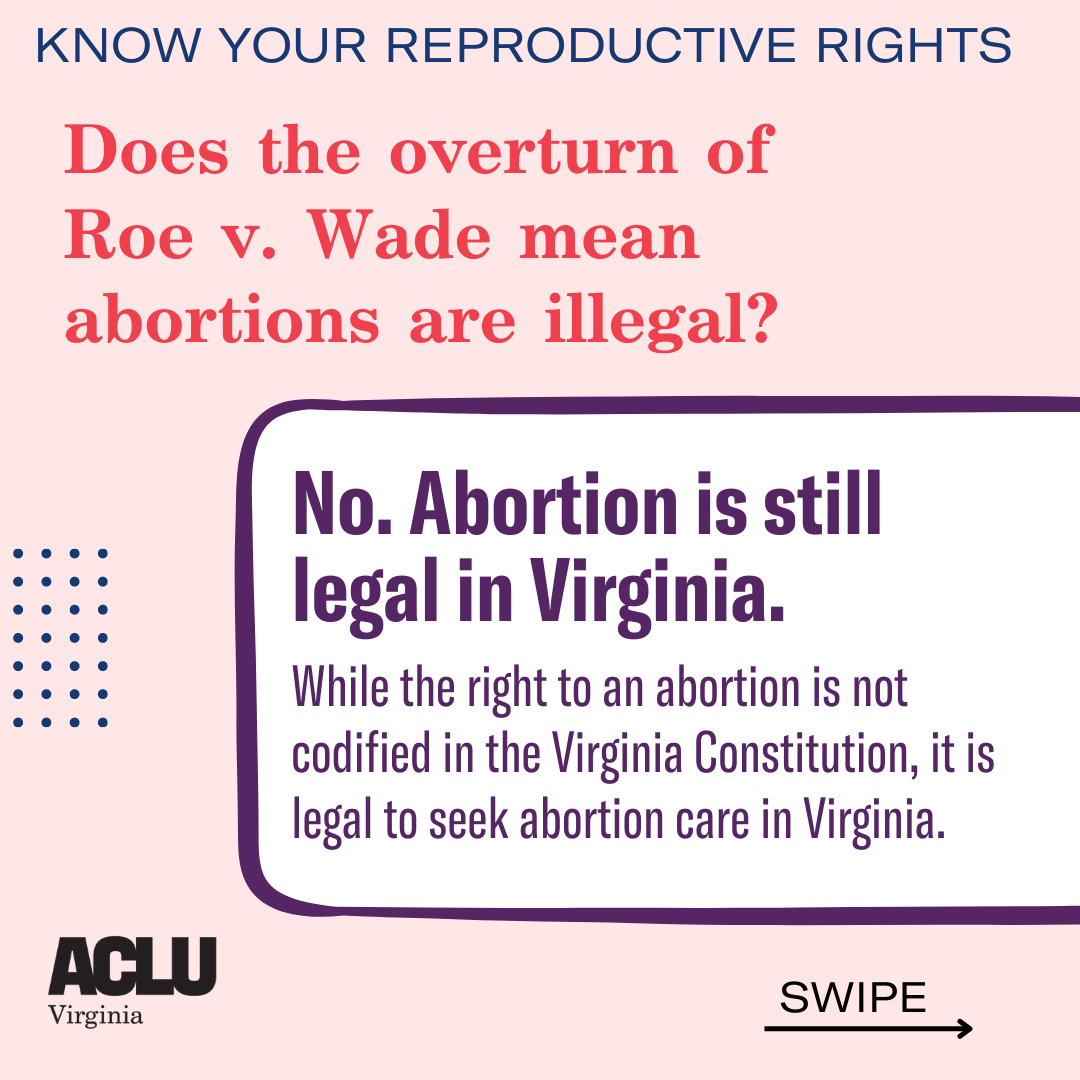
Credit: www.acluva.org
Frequently Asked Questions
How Late Can You Have An Abortion In Virginia?
Virginia allows abortions up to 25 weeks of pregnancy. After that, abortions occur only if the mother’s life or health is at serious risk. Second-trimester abortions must be done in licensed hospitals. State laws protect patients and providers from out-of-state prosecution related to legal abortion care.
Is It Hard To Get An Abortion In Virginia?
Getting an abortion in Virginia is generally accessible with legal protections for patients and providers. Licensed clinics and hospitals offer services. State laws allow abortions during the first two trimesters, with hospital requirements in later stages. Access depends on meeting specific medical and legal criteria.
Is The Abortion Pill Legal In Virginia?
The abortion pill is legal in Virginia. Licensed providers can offer medication abortion within state regulations. Access is protected by law.
Is Abortion Free In Virginia?
Abortion in Virginia is not always free. Costs depend on the provider, method, and insurance coverage. Some clinics offer sliding-scale fees.
Conclusion
Virginia’s abortion laws balance access and restrictions carefully. The state allows abortions mostly within the first two trimesters. Licensed hospitals must handle second-trimester procedures. Legal protections exist for patients and providers from outside prosecution. Knowing where and how to get care helps make informed choices.
Staying updated on laws ensures understanding of your rights. Access to trusted resources like Planned Parenthood can guide you. The laws may change, so check reliable sources often. Understanding these rules supports safer and clearer decisions.

Ismail Hossain is the founder of Law Advised. He is an Divorce, Separation, marriage lawyer. Follow him.