Harassment Laws in Texas Workplace: Essential Rights and Protections
If you work in Texas, understanding harassment laws in your workplace is crucial for your safety and peace of mind. You deserve to feel respected and protected every day on the job.
But what exactly does the law say about harassment? Knowing your rights can help you spot problems early and take the right steps to protect yourself. You’ll discover the key facts about Texas workplace harassment laws—simple, clear, and practical. Keep reading to empower yourself with knowledge that could make a real difference in your work life.

Credit: www.youtube.com
Workplace Harassment Types
Workplace harassment in Texas takes many forms. Each type affects employees differently but harms the work environment. Knowing these types helps workers recognize and report issues. Employers must understand these forms to keep workplaces safe and fair.
Sexual Harassment
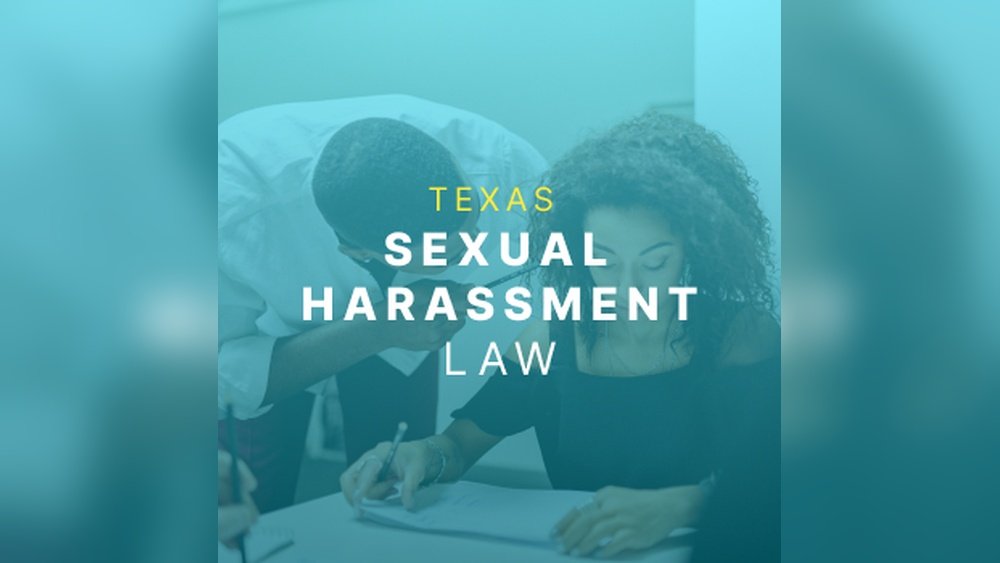
Sexual harassment involves unwanted sexual advances or behavior. It includes comments, jokes, or physical actions that create discomfort. This harassment can come from bosses, coworkers, or clients. Texas law protects workers from such conduct at work.
Discriminatory Harassment
Discriminatory harassment targets people based on race, gender, age, or religion. It can be verbal, physical, or visual. This behavior creates a hostile work environment. Texas laws forbid discrimination and protect worker rights.
Retaliation Claims
Retaliation happens when workers face punishment for reporting harassment. This can include demotion, firing, or unfair treatment. Retaliation is illegal under Texas workplace laws. Workers have the right to report issues without fear.

Credit: www.youtube.com
Texas Harassment Laws
Texas harassment laws protect employees from unwanted behavior in the workplace. These laws help create a safe and respectful work environment. They cover many types of harassment, including sexual harassment and discrimination. Understanding these laws is important for both employers and employees.
State Statutes
Texas law prohibits harassment based on race, color, sex, disability, religion, age, or national origin. The Texas Labor Code is the main state statute addressing workplace harassment. It requires employers to prevent and stop harassment. Employees can file complaints with the Texas Workforce Commission if they face harassment.
Federal Law Interactions
Federal laws also protect workers from harassment. Title VII of the Civil Rights Act is a key federal law. It bans harassment based on race, sex, religion, and more. The Equal Employment Opportunity Commission enforces these federal laws. Texas laws work alongside federal rules to offer strong protection.
Legal Definitions
Harassment means unwelcome conduct affecting work conditions. It can be physical, verbal, or visual. Sexual harassment includes unwanted sexual advances or comments. Quid pro quo and hostile work environment are common types. Understanding these terms helps identify and report harassment correctly.
Employee Rights
Employees in Texas have clear rights to a safe workplace free from harassment. The law protects workers from unfair treatment based on race, gender, religion, or other factors. Knowing these rights helps employees speak up and seek help. Every worker deserves respect and dignity at work.
Filing Complaints
Employees can report harassment to their employer or a government agency. Texas workers often file complaints with the Texas Workforce Commission or the Equal Employment Opportunity Commission. Timely reporting increases the chances of a fair investigation. It is important to document incidents with dates, times, and details.
Protection Against Retaliation
Workers who report harassment have legal protection against retaliation. Employers cannot fire, demote, or punish employees for making a complaint. Retaliation is illegal and can lead to legal consequences for the employer. Employees should keep records if they suspect retaliation after reporting harassment.
Access To Remedies
Victims of workplace harassment can seek various remedies under Texas law. Remedies include job reinstatement, back pay, and damages for emotional distress. The law also allows for punitive damages to punish wrongful employers. Legal help can guide employees through the process to get fair results.
Employer Responsibilities
Employers in Texas must take clear steps to prevent harassment in the workplace. They hold the responsibility to create a safe and respectful environment. This duty helps protect employees and the company from legal issues.
Employers need strong policies, proper training, and a clear process for handling complaints. These elements work together to reduce harassment and ensure everyone feels secure at work.
Preventive Policies
Employers must develop written policies against harassment. These policies should explain what harassment is and give examples. They must also state that harassment will not be tolerated under any circumstances.
The policies should describe how employees can report harassment. Employers must assure no retaliation against those who report. Clear rules help employees understand their rights and responsibilities.
Training Requirements
Texas employers must provide training to all employees. Training should cover recognizing harassment and how to respond. Supervisors need extra training on handling complaints and preventing harassment.
Training must happen regularly, not just once. This keeps everyone updated on laws and company rules. It builds a culture of respect and awareness.
Handling Complaints
Employers must have a clear process for handling complaints. Complaints should be taken seriously and investigated quickly. Investigations must be fair and keep information confidential.
Employers must take action if harassment is confirmed. This protects the victim and stops further problems. A strong complaint system builds trust in the workplace.

Credit: www.injuryrelief.com
Frequently Asked Questions
What Defines Workplace Harassment Under Texas Law?
Workplace harassment in Texas means unwanted behavior that harms or offends an employee. It can be verbal, physical, or visual and must affect work conditions. The law protects workers from such mistreatment.
How Can I Report Harassment At My Texas Workplace?
You can report harassment to your employer, HR department, or file a complaint with the Texas Workforce Commission. Reporting helps start an investigation and protect your rights. Keep records of incidents and communications.
What Legal Protections Do Texas Employees Have Against Harassment?
Texas employees are protected under state and federal laws like Title VII of the Civil Rights Act. These laws forbid harassment based on race, gender, religion, or other protected traits. Victims can seek legal action if harassment occurs.
Can Employers In Texas Be Held Liable For Workplace Harassment?
Yes, Texas employers can be responsible if they knew about harassment and did not act. Employers must take prompt steps to stop harassment and protect employees. Failure to act can lead to legal consequences.
Conclusion
Texas workplace harassment laws protect employees from unfair treatment. Knowing your rights helps you stay safe at work. Employers must keep workplaces free from harassment and act fast on complaints. Reporting issues early can prevent bigger problems. Everyone deserves respect and a fair chance at work.
Stay informed, speak up, and support a healthy work environment. Understanding these laws empowers you to create a better workplace for all.

Ismail Hossain is the founder of Law Advised. He is an Divorce, Separation, marriage lawyer. Follow him.