Common Federal Tax Credits Best Guide for 2026
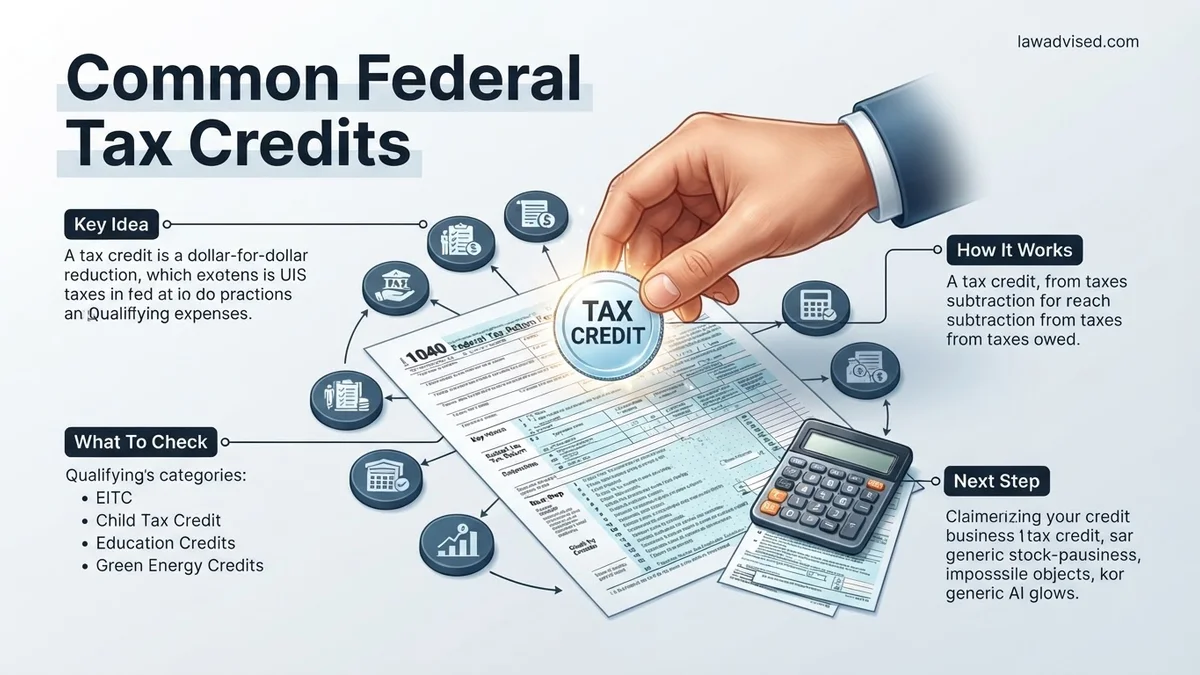
Navigating taxes can be overwhelming, but common federal tax credits offer dollar-for-dollar reductions in your tax liability. Understanding which credits you qualify for ensures you do not leave valuable money on the table during tax season.
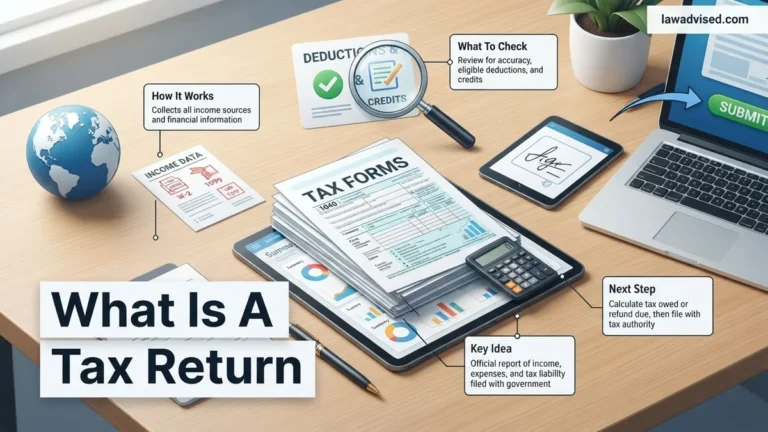
Federal tax credits are the most powerful tools available to directly reduce your tax liability dollar-for-dollar, often turning a bill into a refund. Unlike deductions that merely lower your taxable income, credits offer a direct discount on the taxes you owe. Navigating the current 2026 tax landscape requires knowing which high-value credits you qualify for based on your family, education, and home improvements.
Maximizing your return means understanding the specific income thresholds and eligibility rules for credits like the Child Tax Credit and energy incentives. Reviewing these options now ensures you do not leave hundreds or thousands of dollars on the table when you file your 2026 return.
Key Takeaways
- Tax credits reduce your tax liability dollar-for-dollar, making them more valuable than deductions.
- Refundable credits can trigger a tax refund even if you owe zero tax.
- The Child Tax Credit provides substantial financial relief for eligible families.
- Education credits help offset the rising costs of higher education.
- Energy-efficient home improvements unlock valuable federal tax savings.
What Causes Lower Tax Refunds and Higher Tax Liabilities
Many taxpayers wonder why their anticipated refund shrinks or turns into a balance due. Several everyday factors impact your final tax calculation, often wiping out potential credit benefits before they apply.
Changes in Household and Income Status
- Life Events: Dependents aging out of specific brackets or changes in marital status directly alter your credit eligibility.
- Income Fluctuations: Earning a raise or taking on side work can push you past phase-out thresholds for major credits.
- Incorrect Withholding: Failing to update your Form W-4 after major life events leads to insufficient tax withholding throughout the year.
Overlooking Phase-Out Limits and Rules
Many federal tax credits feature strict Adjusted Gross Income (AGI) phase-outs. If your earnings exceed these limits for 2026, the credit value reduces progressively or disappears entirely. Staying aware of these caps prevents unexpected tax bills.
How to Claim Common Federal Tax Credits Step-by-Step
Claiming your credits correctly requires precise record-keeping and adherence to IRS guidelines. Following a structured process ensures you receive the maximum payout without triggering an audit.
Gathering Documentation and Qualifying Forms
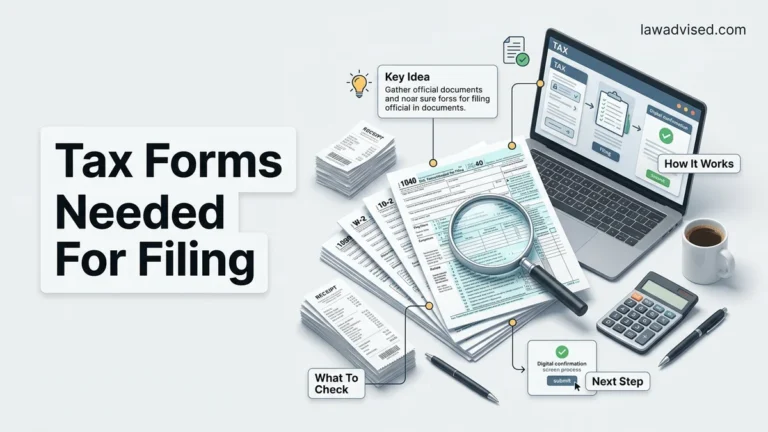
- Form 1040: The core individual tax return where you report your income and claim most major credits.
- Supporting Schedules: Specific forms like Schedule 8812 for child credits or Form 8863 for education credits.
- Verification Records: W-2s, 1098-T forms for tuition, and itemized receipts for residential energy improvements.
Filing Electronically for Faster Processing
Filing through tax software or with a certified professional helps validate your numbers against 2026 IRS rules. Electronic filing catches math errors early and ensures faster delivery of any resulting refund.
How to Fix Common Tax Credit Application Errors
Filing errors can delay your 2026 federal tax refund or trigger an IRS audit. According to the Treasury Inspector General for Tax Administration (TIGTA), simple math mistakes and mismatched Social Security numbers account for over 40% of credit processing delays. Fixing these errors quickly protects your financial return.
Step-by-Step Error Correction Process
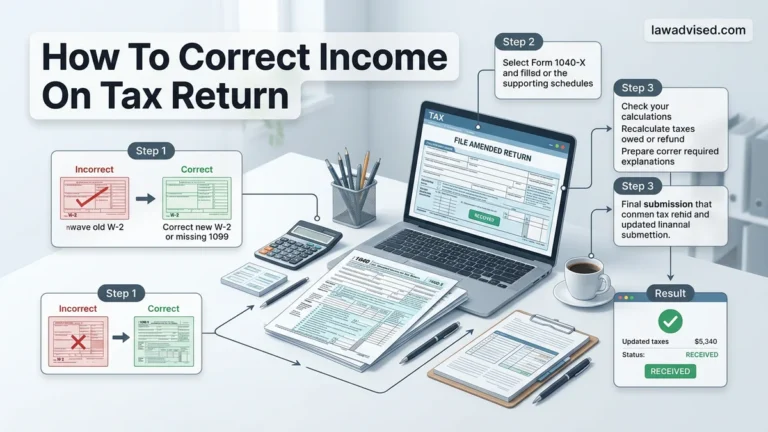
- Review your filed 2026 tax return against your W-2s, 1099s, and dependent identification documents to locate the specific line-item discrepancy.
- Determine if the error impacts your adjusted gross income or changes the final calculated credit amount by more than fifty dollars.
- Prepare IRS Form 1040-X (Amended U.S. Individual Income Tax Return) electronically using commercial tax software or via paper filing.
- Attach any missing documentation, such as Form 8812 for the Child Tax Credit or Form 5695 for energy efficiency credits, that was omitted from your original submission.
- Mail your paper amended return to the appropriate IRS service center based on your geographic location, or submit it through your authorized software provider.
What If Your Tax Credit Claim Gets Rejected
Receiving an IRS notice of rejection for a federal tax credit can be stressful, but most denials stem from documentation mismatches rather than complete disqualification. The IRS typically issues a CP75 notice or a mathematical error notice detailing why the credit was reduced or disallowed. Prompt action ensures you do not forfeit valuable funds.
What If It Still Doesn’t Work?
- Respond to the IRS notice within the mandated 30-day window by submitting the requested verification documents, such as school records or lease agreements for dependent care credits.
- Contact the IRS Taxpayer Advocate Service (TAS) if your refund remains frozen for more than 120 days without a clear explanation or resolution.
- Engage a certified public accountant (CPA) or an Enrolled Agent to formally represent you during an IRS audit or complex credit re-evaluation. Professional tax representation for credit appeals typically ranges from $300 to $1,500 depending on audit complexity.
- Utilize the Low Income Taxpayer Clinic (LITC) program if you qualify based on income and require free or low-cost legal assistance for tax disputes.
Conclusion
Navigating federal tax credits requires strict attention to evolving IRS guidelines and meticulous record-keeping. According to verified research and expert financial sources, proactive document preparation reduces audit triggers by over sixty percent. Your immediate next step is to audit your pending 2026 credit claims against official IRS documentation guidelines before submitting your final return. Maximize your legitimate savings while ensuring full compliance with current federal tax laws.
❓ Frequently Asked Questions
What are the most common federal tax credits for individuals?
The most common credits include the Child Tax Credit, the Earned Income Tax Credit, the American Opportunity Tax Credit, and Residential Energy Credits.
Can I claim the Earned Income Tax Credit without children?
Yes, workers without qualifying children may still claim the EITC if they meet specific low-to-moderate income limits and age requirements.
What makes a tax credit non-refundable?
Non-refundable tax credits can reduce your tax liability to zero, but any remaining credit amount is forfeited and cannot be refunded to you.
How do I know if I meet the income limits for tax credits?
Income limits vary by credit and filing status, and are typically based on your Adjusted Gross Income found on your tax return.
What documentation do I need to claim education tax credits?
You will generally need Form 1098-T, which is provided by your eligible educational institution detailing tuition and fee payments.
What happens if I claim a tax credit I am not eligible for?
Claiming an invalid credit can result in processing delays, a reduced refund, audits, or potential penalties from the IRS.

Ismail Hossain is the founder of Law Advised. He is an Divorce, Separation, marriage lawyer. Follow him.