Concealed Carry Laws in Georgia: What You Need to Know
Concealed Carry Laws In Georgia
Georgia is known for its friendly gun laws, but when it comes to concealed carry, there are strict rules everyone must follow. Whether you’re a resident or just visiting, understanding these laws is important to stay legal and safe. Many people think carrying a gun is simple, but Georgia’s regulations have details that can surprise even experienced gun owners. Knowing the facts helps prevent mistakes and keeps you protected.
Who Can Carry Concealed In Georgia?
To carry a concealed firearm in Georgia, you must meet certain requirements. The most important is having a valid Georgia Weapons Carry License (GWCL). You can apply for this license at your local probate court.
Requirements include:
- You must be at least 21 years old (18 if you are military).
- You must be a Georgia resident (exceptions for military stationed in Georgia).
- You must pass a background check.
- You must not have a felony conviction or certain drug offenses.
If you are from another state, Georgia honors permits from many states. This is called reciprocity, but the rules can change. Always check the latest list before traveling.
| Requirement | Georgia Residents | Non-Residents |
|---|---|---|
| Minimum Age | 21 (18 for military) | Varies by home state |
| Background Check | Required | Required in home state |
| Permit Needed | GWCL | State permit with reciprocity |
How To Get A Georgia Weapons Carry License
Getting your GWCL is not difficult, but you must follow each step carefully. First, visit your county probate court and fill out the application. You will also need to be fingerprinted.
- Fill out the application form at the probate court.
- Provide a valid ID and proof of Georgia residency.
- Pay the application fee (usually $75–$85).
- Get your fingerprints taken.
- Wait for the background check to clear.
Most people receive their license in four to six weeks. If your application is denied, you will get a letter explaining why.
Common Mistakes When Applying
Many applicants make errors that delay the process:
- Using an old address
- Forgetting proof of residency
- Not disclosing past charges
Always double-check your paperwork and bring all required documents.
Credit: www.handgunlaw.us
Where Can You Carry Concealed?
Georgia lets you carry in many places, but there are important restrictions.
You cannot carry:
- In government buildings (like courthouses)
- In schools (unless you have special permission)
- In places of worship (unless allowed by the church)
- At airports beyond security checkpoints
- In private businesses that post “no guns” signs
One non-obvious insight: Even in your own car, Georgia allows concealed carry without a permit if you are legally allowed to possess a firearm. But once you step out, you need your GWCL.
| Location | Carry Allowed? | Special Notes |
|---|---|---|
| Public Parks | Yes | Must have GWCL |
| Bars/Restaurants | Yes | Owner may restrict |
| Schools | No | Only with permission |
| Private Property | Yes | Unless posted |
Important Legal Details And Penalties
Georgia law is strict about following concealed carry rules. Breaking them can lead to serious penalties.
- Carrying without a permit is a misdemeanor for first offense, but repeat offenses are felonies.
- Ignoring posted “no guns” signs can lead to trespassing charges.
- Carrying in forbidden places (like schools) can result in large fines or jail time.
If a police officer stops you, you must show your GWCL and ID if asked. Not doing so is a violation. Another insight: Georgia does not require you to inform police unless asked, but being polite and upfront can prevent trouble.

Credit: www.usconcealedcarry.com
Recent Changes And Trends
Georgia’s laws have changed in the last few years. In 2026, the state passed the “Constitutional Carry” law, which means most adults can carry a handgun openly or concealed without a permit. However, having a GWCL is still useful for reciprocity and easier interactions with law enforcement.
Key changes:
- Permitless carry is allowed for legal adults (21+).
- GWCL still needed for carrying in other states.
- Background checks remain important.
These changes make it easier to carry, but also mean you must understand where permits still matter.
| Year | Law Change | Effect |
|---|---|---|
| 2026 | Constitutional Carry | No permit needed for most adults |
| 2014 | Safe Carry Protection Act | Expanded carry locations |
Tips For Safe And Legal Concealed Carry
Carrying a firearm is a big responsibility. Here are practical tips to stay safe and legal:
- Always keep your GWCL with you.
- Know the rules for every place you visit.
- Avoid touching your weapon in public unless necessary.
- Practice concealed carry techniques at home.
- Keep your gun secure and out of reach of children.
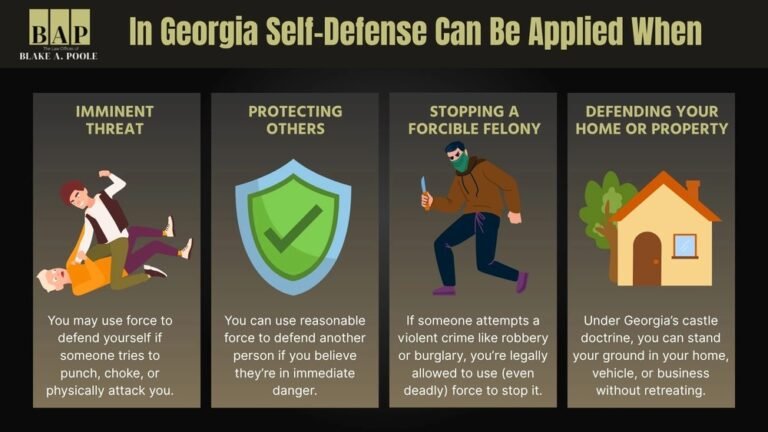
- Learn basic self-defense laws.
One mistake many beginners make is forgetting about private property rules. Just because the law allows carry, owners can still prohibit guns. Always look for signs and respect policies.
For more details about Georgia’s gun laws, see the Wikipedia page on Georgia gun laws.

Credit: cookcountyprobatecourt.com
Frequently Asked Questions
Can I Carry Concealed Without A Permit In Georgia?
Yes, since 2026, most adults can carry concealed without a permit. However, getting a GWCL is still helpful for traveling to other states and for some legal protections.
Do I Have To Tell Police I Am Carrying A Gun?
No, Georgia does not require you to tell police unless they ask. But showing your GWCL and ID if stopped is smart and can prevent misunderstandings.
Can I Carry In Schools With A Permit?
No, Georgia law bans carrying in schools, even with a permit, unless you have special permission (like school staff or police).
What Happens If I Carry In A “no Guns” Business?
You could be asked to leave, and refusing may lead to trespassing charges. Always respect posted signs.
How Long Does The Gwcl Application Process Take?
It usually takes four to six weeks. Delays can happen if you have mistakes in your paperwork or a complicated background check.
Understanding concealed carry laws in Georgia takes more than just reading the rules. It means being careful, staying informed, and respecting the responsibility that comes with carrying a firearm. If you follow these guidelines, you can carry legally and confidently in the state.

Ismail Hossain is the founder of Law Advised. He is an Divorce, Separation, marriage lawyer. Follow him.