Video Recording Laws in Georgia: What You Need to Know
Georgia is a state with a mix of urban and rural areas, and people often use their smartphones to record videos. But before you hit “record,” it’s important to know the video recording laws in Georgia. These laws protect privacy and set clear rules for when and where you can record. If you’re unsure, this guide will help you understand what’s legal, what’s risky, and what you need to avoid. Whether you’re a journalist, a business owner, or just someone capturing moments, understanding these rules helps you stay safe and avoid trouble.
One-party Consent Rule
Georgia follows a one-party consent law for audio and video recordings. This means you can record a conversation or video if at least one person involved agrees to it. Usually, if you’re part of the conversation, you can record without telling the other person.
This rule is covered in Georgia Code § 16-11-62. However, it’s important to note:
- If you record a conversation and you’re NOT part of it, you need consent from at least one participant.
- Recording someone’s voice or video secretly, without being involved, is illegal.
For example, if you’re in a meeting and want to record, you can do so without asking others. But secretly recording two strangers talking at a café is not allowed.
Public Vs Private Places
Location matters a lot in Georgia’s recording laws. Recording in public spaces is usually allowed because people have less expectation of privacy. But in private spaces, you must be more careful.
| Location | Can You Record? | Consent Needed? |
|---|---|---|
| Public street | Yes | No |
| Restaurant | Yes | Depends |
| Someone’s home | No | Yes |
| Business office | Yes | Depends |
| Restroom | No | Yes |
In public, people expect less privacy. But in private places—like homes, bathrooms, or changing rooms—recording without consent is illegal.
Hidden Cameras And Security Systems
Many people use hidden cameras for home security. Georgia law says it’s illegal to install cameras in places where people expect privacy. This includes bedrooms, bathrooms, and dressing rooms. Even if it’s your home, you cannot record guests in these areas.
For businesses, it’s common to use surveillance cameras. Here are the main points:
- Cameras should not be placed in areas like restrooms or locker rooms.
- Employees should be informed about camera placement.
- Signs can help, but are not always required by law.
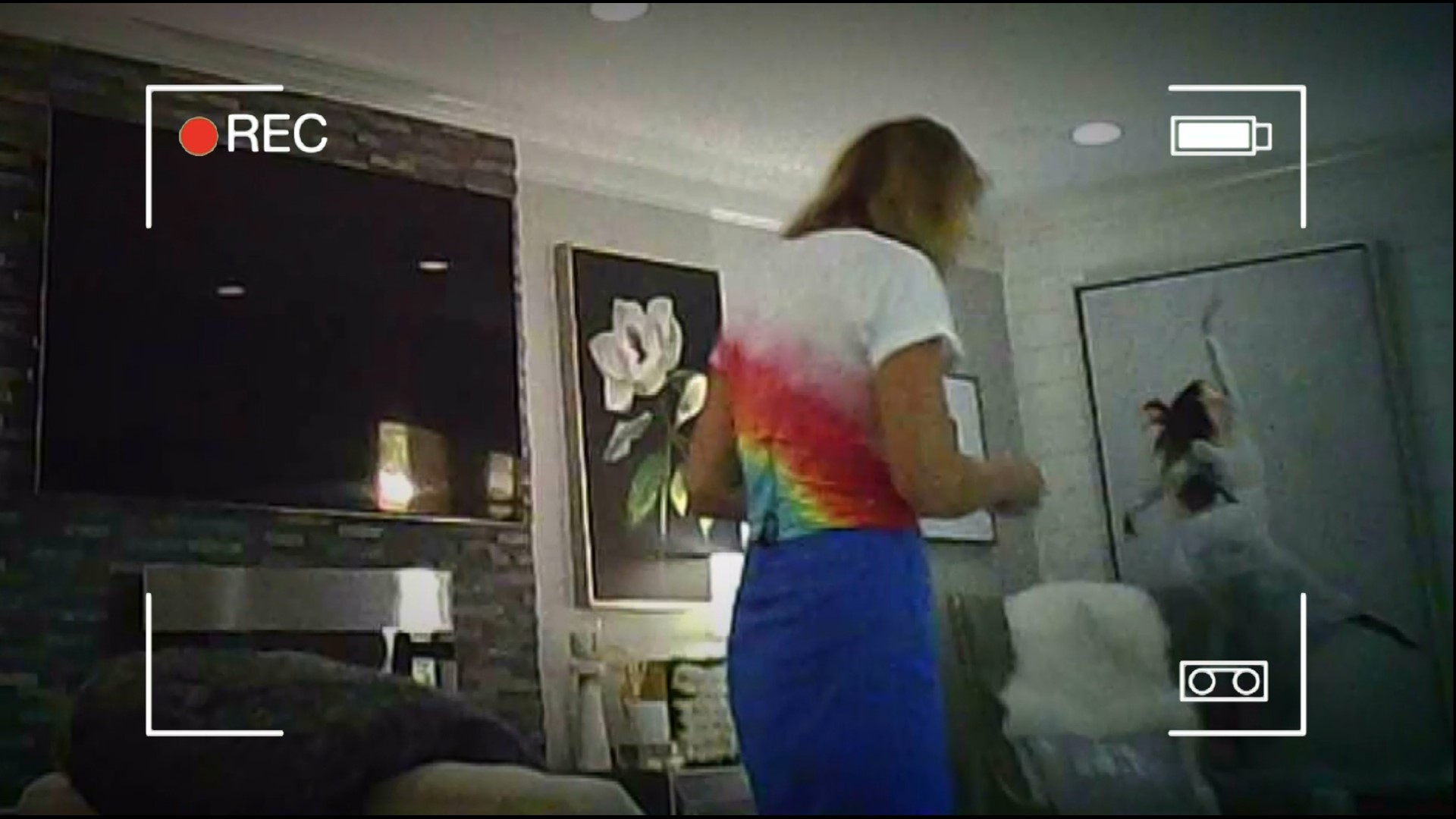
A non-obvious insight: If you use a nanny cam, you must avoid recording audio unless you are part of the conversation or have consent from at least one person.
Recording Law Enforcement And Public Officials
Georgia allows people to record police and other public officials in public places, as long as you do not interfere with their work. This right is protected under the First Amendment, but you must follow reasonable instructions from law enforcement.
If you record police, remember:
- Stay at a safe distance.
- Do not block their work.
- If asked to move, comply politely.
A common mistake: Some believe you must stop recording if police ask. That’s not true unless you’re interfering. However, officers may seize your device if they believe it’s evidence of a crime.
Penalties For Illegal Recording
Breaking Georgia’s recording laws can lead to criminal charges. Penalties depend on the situation:
| Offense | Penalty |
|---|---|
| Illegal audio recording | Up to $10,000 fine or 1 year in jail |
| Hidden camera in private area | Felony, up to 5 years in prison |
| Recording minors without consent | Severe penalties, possible sex offender registration |
If you’re caught, it’s not just a fine. You could face jail time or even lose your job. Always follow the law to avoid serious trouble.
Video Recording At Work
Recording at the workplace is a sensitive issue. Employers may install cameras for security, but they must respect employee privacy. Employees can record conversations if they are part of them, but secretly recording coworkers may break company policy.
Tips for safe workplace recording:
- Ask for permission from HR or your manager.
- Avoid recording in private areas (bathrooms, locker rooms).
- Use video for safety or evidence, not for spying.
Employers should inform staff about cameras and avoid hidden surveillance in private places.

Credit: www.lasorsa.com
Video Recording In Schools
Schools in Georgia have strict rules for video recording. Teachers and staff may use cameras for security, but they must protect student privacy.
Key points:
- Parents must be informed about school surveillance.
- Recording in classrooms is allowed if all parties are aware.
- Recording in restrooms or locker rooms is strictly prohibited.
Students should avoid recording others without consent, as it can lead to disciplinary action.
Practical Examples And Common Mistakes
To make things clearer, here are real-life examples:
- You record a street protest: Legal, since it’s public.
- You record a neighbor in their yard: Risky—yards are sometimes considered private.
- You place a camera in your living room: Legal, but warn guests.
- You record a phone call without consent: Illegal, unless you’re part of the call.
Common mistakes include:
- Recording in private areas without consent.
- Believing all recording is legal because you’re the owner.
- Not informing people about cameras.
A little-known fact: Even if you delete a recording, you can still be charged.

Credit: www.bluedothq.com
Resources And Reliable Information
If you want to read more about Georgia’s laws, visit the Surveillance Laws in the United States page. It has details about federal and state rules.
Frequently Asked Questions
Is It Legal To Record Someone In Georgia Without Their Knowledge?
Georgia allows recording if you are part of the conversation. But recording people in private areas without their consent is illegal.
Can I Record Police Officers In Georgia?
Yes, you can record police in public places if you do not interfere with their work. Stay respectful and follow instructions.
Are Hidden Cameras Allowed In Georgia Homes?
Hidden cameras are allowed in common areas but not in places where guests expect privacy, like bathrooms or bedrooms.
What Happens If I Break Video Recording Laws?
You may face fines, jail time, or other criminal penalties. The seriousness depends on the situation and location.
Do I Need To Inform Employees About Workplace Cameras?
It’s best practice to inform employees. Hidden cameras in private areas are illegal, and lack of notice can lead to legal trouble.
Understanding video recording laws in Georgia keeps you safe and respectful of others’ privacy. If you’re unsure, ask for permission and check official resources. By following these rules, you avoid legal risks and help build trust in your community.
Credit: www.11alive.com

Ismail Hossain is the founder of Law Advised. He is an Divorce, Separation, marriage lawyer. Follow him.