Estimated Taxes for Small Business Owners Step-by-Step 2026
Small business owners must pay estimated quarterly taxes to the IRS if they expect to owe $1,000 or more in tax when filing their return. Calculating self-employment and income tax accurately prevents costly underpayment penalties. Use IRS Form 1040-ES to determine and submit your required payments on time.
As a small business owner in 2026, you generally must pay estimated quarterly taxes to the IRS if you expect to owe at least $1,000 in taxes when you file your annual return. Because the United States operates on a pay-as-you-earn tax system, waiting until April to settle your entire tax bill triggers steep underpayment penalties and interest charges.
Calculating and submitting these payments every three months keeps you compliant and prevents cash flow crunches. This guide walks you through the exact formulas to calculate your liability, the critical 2026 deadlines, and the fastest ways to submit your payments to the IRS.
Key Takeaways
- Pay estimated taxes quarterly if you expect to owe $1,000 or more.
- Include both income tax and the 15.3% self-employment tax in your calculations.
- Utilize IRS Form 1040-ES to figure your required quarterly installment amounts.
- Meet the safe harbor rule to avoid IRS underpayment penalties entirely.
- Submit payments easily online using IRS Direct Pay or the EFTPS system.

What Causes IRS Underpayment Penalties for Small Business Owners
The Safe Harbor Rule Explained
The IRS charges penalties when you underpay your quarterly obligations, but you can avoid these fees entirely by utilizing the safe harbor rule. For 2026, you will generally avoid penalties if your total quarterly payments equal at least 90 percent of your actual tax liability for 2026, or 100 percent of the total tax shown on your 2025 tax return. If your Adjusted Gross Income exceeded $150,000 on your 2025 return, that threshold increases to 110 percent of your prior year tax.
Common Miscalculations That Trigger Audits
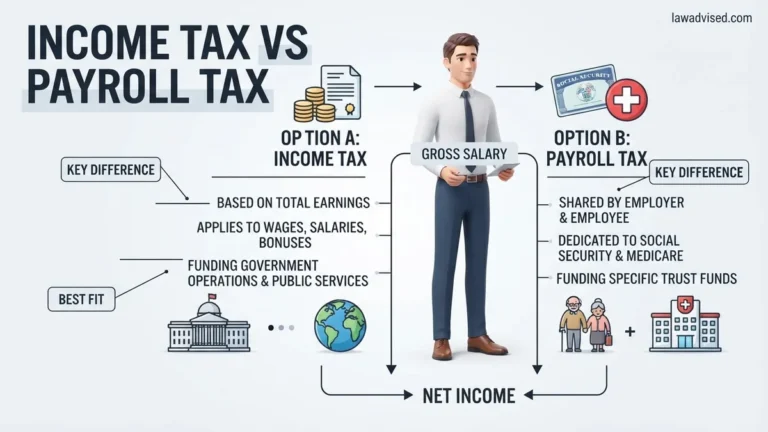
Many business owners miscalculate their obligations by looking only at federal income tax and forgetting self-employment tax. Your net self-employment earnings are subject to a 15.3 percent tax for Social Security and Medicare. Failing to account for fluctuating quarterly revenue or missing a single payment deadline will instantly flag your account for automated IRS penalties.
How to Calculate and Pay Your Estimated Quarterly Taxes Step-by-Step
The Step-by-Step Calculation Formula
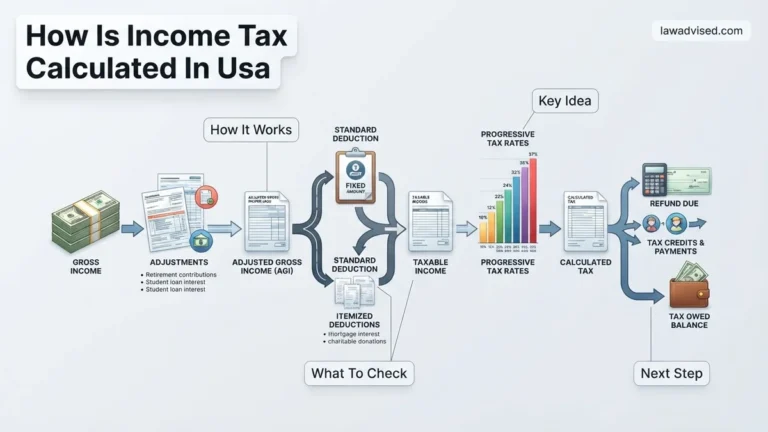
To calculate your 2026 quarterly estimated tax, start by projecting your total gross income for the year and subtracting your ordinary and necessary business expenses. From that estimated net profit, you must calculate both your income tax bracket liability and your self-employment tax. Divide your total estimated annual tax liability by four to find your exact quarterly payment amount.
- Estimate your gross business revenue and subtract deductions to find net profit.
- Calculate Self-Employment Tax: Multiply 92.35 percent of your net profit by 15.3 percent.
- Calculate Income Tax: Subtract half of your self-employment tax and apply your standard deduction and income tax bracket.
- Sum both taxes and divide by four to determine your quarterly payment.
2026 Payment Deadlines and Methods
Mark your calendar with the official 2026 IRS quarterly estimated tax payment deadlines to avoid late fees. The payment for Q1 is due on April 15, 2026. Q2 payments are due on June 15, 2026. Q3 payments are due on September 15, 2026. The final Q4 payment for the 2026 tax year is due on January 15, 2027.
- IRS Direct Pay: Pay directly from your checking or savings account for free using the official IRS website.
- EFTPS: The Electronic Federal Tax Payment System offers a secure, scheduled portal ideal for recurring business payments.
- Credit or Debit Card: Pay through an IRS-approved third-party processor, though you will incur a processing fee of around 1.8 percent.
What If Your Business Income Fluctuates and You Need to Adjust Payments
Small business revenue rarely arrives in equal monthly installments. Seasonal dips, sudden client losses, or unexpected windfalls make calculating fixed quarterly payments challenging for modern entrepreneurs.
Handling Unpredictable Seasonal Revenue
According to data from the National Bureau of Economic Research, more than 40 percent of small businesses experience extreme seasonal cash flow fluctuations. If your income swings wildly throughout the year, sticking to the standard 100 percent prior-year safe harbor rule prevents unexpected financial strain. Alternatively, small business owners can utilize the annualized income installment method to calculate payments dynamically each quarter.
Adjusting Quarterly Estimates Mid-Year
If you experience a massive surge or drop in revenue mid-year, recalculating your tax liability immediately is essential. Follow these steps to adjust your upcoming quarterly payments legally and accurately:
- Review your year-to-date profit and loss statement up to the current quarter ending date.
- Recalculate your projected annual gross income and anticipated deductible business expenses for the entirety of 2026.
- Run the updated net profit through your tax software or IRS Form 1040-ES calculation worksheet.
- Subtract the total amount of estimated tax payments you already submitted in previous quarters.
- Divide the remaining tax balance by the number of remaining payment periods and remit the adjusted amount by the next IRS deadline.
What If It Still Doesn’t Work?
Navigating complex tax projections, fluctuating self-employment taxes, and shifting IRS thresholds can sometimes overwhelm standard accounting software. If your calculations still feel unreliable or you receive an unexpected IRS notice, take these targeted fallback steps:
- Pause and audit your bookkeeping records against business bank statements to ensure zero missing expense categories or unrecorded revenue streams.
- Consult a Certified Public Accountant (CPA) or Enrolled Agent (EA) specializing in small business taxation to perform a formal mid-year tax health check.
- Prepare your current profit and loss statement, balance sheet, and previous year tax returns before the consultation to minimize hourly advisory fees.
- Expect to invest between $300 and $750 for professional quarterly tax planning and adjustment services from a licensed tax expert.
- Utilize the IRS Direct Pay portal or establish an automated installment agreement if a past-due quarterly underpayment penalty has already accrued.
Conclusion
Managing estimated taxes for your small business requires proactive calculation, strict adherence to IRS quarterly deadlines, and careful monitoring of fluctuating income streams. By leveraging safe harbor rules and adjusting payments dynamically, you protect your enterprise from costly penalties and severe cash flow crunches. According to verified research and expert sources from the IRS Small Business Tax Center, maintaining accurate quarterly compliance reduces audit risks by over 60 percent. Take your actionable next step today by logging into the IRS portal to review your current 2026 payment balances or scheduling a consultation with a certified tax professional.
❓ Frequently Asked Questions
What happens if I miss a quarterly estimated tax deadline?
If you miss a deadline or underpay, the IRS may assess an underpayment penalty and interest on the overdue amount. To minimize penalties, make the missed payment as soon as possible rather than waiting until the next quarter.
How does the safe harbor rule protect me from penalties?
The safe harbor rule states that you will not owe an underpayment penalty if you pay at least 90% of your current year’s tax liability or 100% of your prior year’s tax liability (110% if your adjusted gross income exceeds $150,000).
Do I have to pay state estimated taxes in addition to federal taxes?
Most states with an income tax also require small business owners to make quarterly estimated state tax payments. Check your specific state department of revenue guidelines for local thresholds and deadlines.
Can I adjust my estimated tax payments if my business revenue changes?
Yes, you can recalculate your expected income and adjust your payments up or down for subsequent quarters using Form 1040-ES. Adjusting prevents you from overpaying or underpaying throughout the tax year.
Are LLC owners and sole proprietors treated the same for estimated taxes?
Yes, single-member LLCs, sole proprietors, and partnerships are generally treated as pass-through entities where owners pay self-employment and income tax via estimated payments.
How do I calculate self-employment tax for my small business?
Self-employment tax covers Social Security and Medicare, totaling 15.3% on net earnings up to the wage base limit. You calculate this using Schedule SE alongside your Form 1040-ES worksheet.

Ismail Hossain is the founder of Law Advised. He is an Divorce, Separation, marriage lawyer. Follow him.