Divorce Laws in Texas With Child: Essential Guide for Parents
If you’re going through a divorce in Texas and have children, you probably have many questions and worries. How will custody be decided?
What are your rights as a parent? Understanding divorce laws with children involved can feel overwhelming, but knowing the basics can make a huge difference for you and your family. This article breaks down what you need to know, so you can protect your children’s best interests and make informed choices every step of the way.
Keep reading to get clear answers and regain control during this challenging time.
Filing For Divorce With Children
Filing for divorce in Texas when children are involved requires careful attention. The law focuses on protecting the children’s best interests. Parents must follow specific rules before and during the divorce process.
Residency Requirements
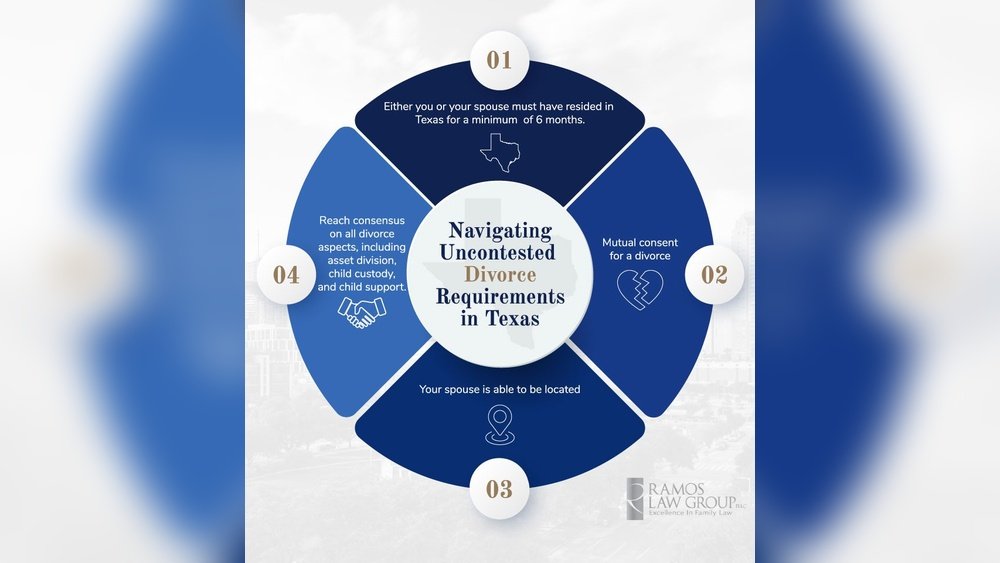
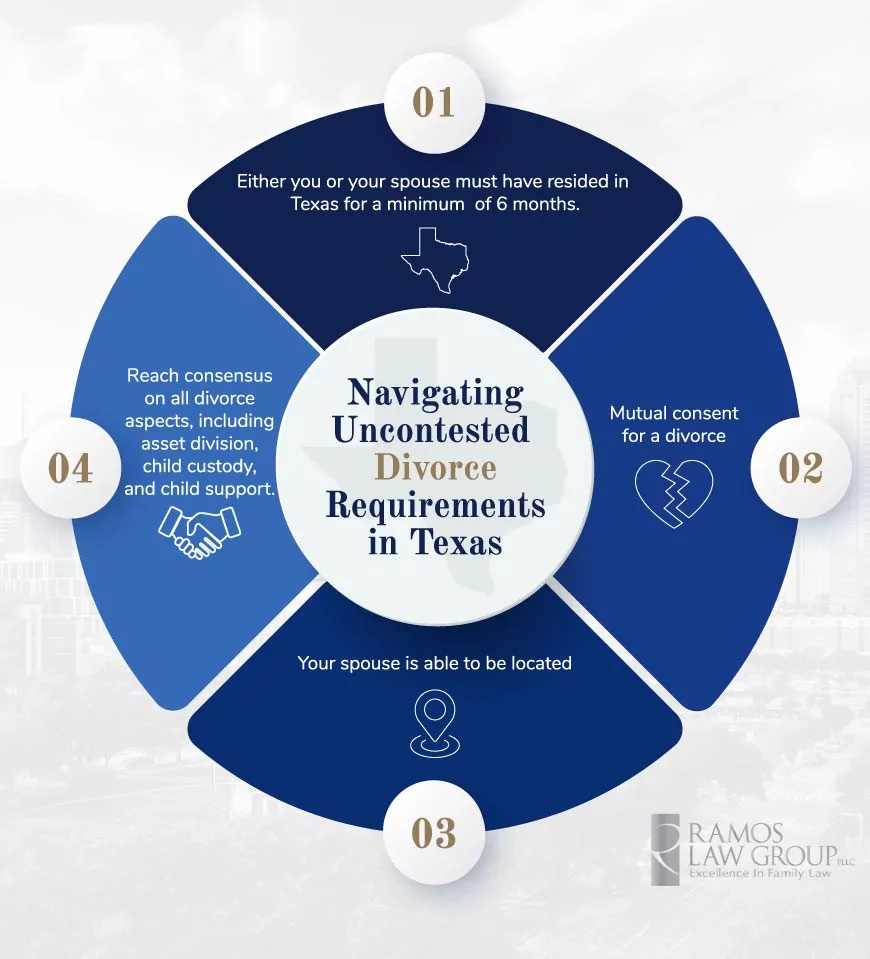
One spouse must live in Texas for at least six months before filing. The spouse must also live in the county where they file for at least 90 days. These rules help ensure the court has authority to handle the divorce case.
Grounds For Divorce
Texas allows both no-fault and fault-based grounds. No-fault means the marriage has become insupportable due to conflict. Fault-based grounds include cruelty, adultery, or abandonment. The court focuses on resolving issues related to children and property.
Filing Process
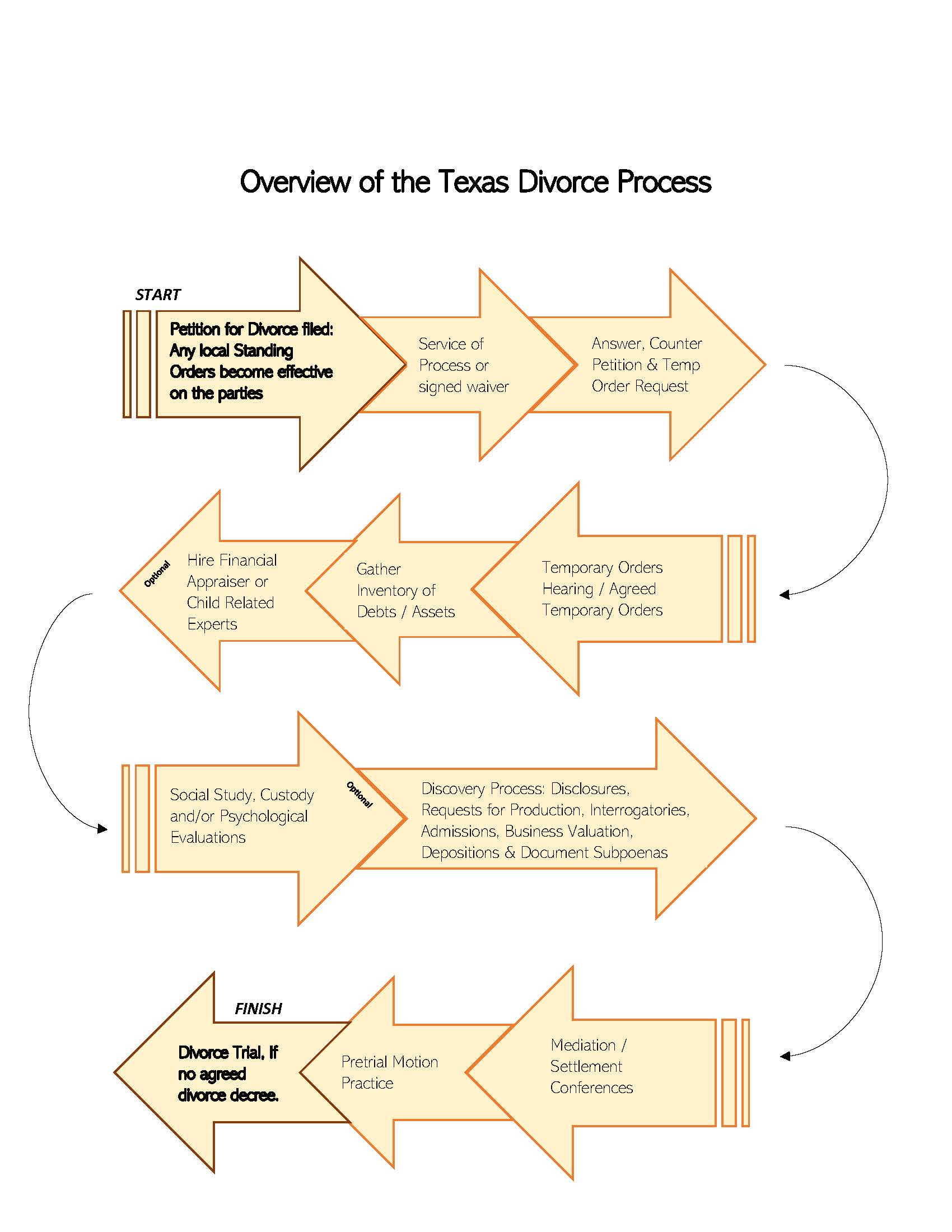
The process starts by filing a Petition for Divorce. The petitioner must include information about the children. This includes custody, visitation, and support details. The other spouse receives a copy and can respond. Courts may require mediation to settle disputes. The final divorce decree will address all child-related matters.

Credit: nfamilylaw.com
Child Custody And Visitation
Child custody and visitation are key parts of Texas divorce cases involving children. Courts focus on the child’s best interests when deciding custody and visitation. Parents need to understand the types of custody and how visitation works. This helps reduce confusion and stress during the process.
Types Of Custody
Texas law has two main types of custody: legal custody and physical custody. Legal custody means the right to make important decisions for the child. These decisions include education, health care, and religion. Physical custody refers to where the child lives most of the time.
Custody can be sole or joint. Sole custody means one parent has all legal or physical custody rights. Joint custody means both parents share these rights. Courts usually prefer joint custody to keep both parents involved.
Determining Custody Arrangements
The court looks at many factors to decide custody. The child’s age and needs matter a lot. The court also considers each parent’s ability to care for the child. The child’s wishes may be heard if the child is old enough. The goal is to create a stable, safe environment for the child.
Visitation Rights
Visitation allows the non-custodial parent to spend time with the child. Texas courts often set a standard visitation schedule. Parents can agree on a different schedule if it suits the child better. Visitation includes holidays, weekends, and summer breaks. The court can change visitation if it is best for the child’s well-being.
Child Support Guidelines
Child support guidelines in Texas set clear rules for financial help from parents. They aim to meet the child’s needs fairly. These rules ensure both parents share costs. The court uses these guidelines to decide payment amounts. Child support covers food, clothing, education, and health care.
Calculating Support
Texas calculates child support based on the paying parent’s income. The court looks at all income sources, such as wages and bonuses. They use a percentage formula depending on the number of children. For one child, the rate is usually 20% of net income. More children mean higher percentages, up to 40% for five or more. The court may adjust amounts for special needs or expenses.
Payment Procedures
Child support payments often go through the Texas State Disbursement Unit. This system tracks payments and protects both parents. Payments must be regular and timely to avoid legal issues. Parents can pay by check, online, or through wage withholding. Wage withholding means money comes directly from the paycheck. This method helps keep payments consistent and on time.
Modifying Support Orders
Support orders can change if financial situations shift. A parent can ask the court to modify payments. Reasons include job loss, income change, or changes in the child’s needs. The court reviews evidence before approving changes. Modifications help keep support fair and realistic over time. Both parents must follow the updated order once approved.
Credit: www.ramosfamilylaw.com
Mediation And Court Hearings
Mediation and court hearings are key steps in Texas divorces involving children. These steps help parents decide on child custody, support, and visitation. They also aim to reduce conflict and protect children’s well-being. Understanding these processes can ease the emotional and legal challenges during divorce.
Role Of Mediation
Mediation is a meeting with a neutral third party. This person helps parents discuss and resolve issues about their children. The goal is to reach agreements without going to court. Mediation saves time, money, and stress for families. It encourages cooperation and communication between parents. Many Texas courts require mediation before scheduling a hearing.
Preparing For Court
Preparation is essential before attending a court hearing. Parents should gather all necessary documents, such as financial records and school reports. It helps to write down key points and concerns about child care. Parents must stay calm and respectful during hearings. Clear communication with the judge is important. Courts focus on the child’s best interests above all.
Finalizing The Divorce
After agreements or court decisions, the divorce moves to finalization. The court issues orders about custody, visitation, and support. Parents must follow these orders carefully. Finalizing the divorce legally ends the marriage and sets rules for parenting. It provides stability and clarity for both parents and children. Proper finalization helps avoid future conflicts.
Credit: www.wilsonlegalgroup.com
Frequently Asked Questions
What Is The Process For Child Custody In Texas Divorce?
Texas courts decide child custody based on the child’s best interest. Both parents can ask for custody, and the court may order joint or sole custody. The child’s safety, health, and emotional needs are important factors.
How Is Child Support Calculated In Texas?
Child support in Texas is usually a percentage of the non-custodial parent’s income. The amount depends on how many children need support. Texas guidelines help ensure fair support for the child’s needs.
Can Custody Arrangements Change After Divorce In Texas?
Yes, custody orders can change if parents show a big change in circumstances. The court reviews if the change is best for the child. Parents must ask the court to modify custody legally.
What Rights Do Grandparents Have In Texas Child Custody Cases?
Grandparents can ask for visitation if it benefits the child’s welfare. Texas law allows courts to consider grandparents’ role in the child’s life. The court focuses on the child’s best interests during decisions.
Conclusion
Divorce with children in Texas requires careful planning and understanding. Laws focus on protecting the child’s best interests. Parents must work together to create fair custody and support plans. Courts consider many factors to ensure the child’s safety and happiness.
Knowing the legal steps can reduce stress during this tough time. Always seek advice from a family law expert for guidance. Clear communication helps families move forward with less conflict. Remember, the child’s well-being should always guide decisions. This approach leads to better outcomes for everyone involved.

Ismail Hossain is the founder of Law Advised. He is an Divorce, Separation, marriage lawyer. Follow him.